Quick Answer
To pass an electrical inspection in a Florida home, focus on panel condition and labeling, proper grounding and bonding, working GFCI/AFCI protection where the code requires it, and removing exposed or amateur wiring. Older homes face extra scrutiny during insurance-driven 4-point inspections, so a pre-inspection walkthrough with a licensed electrician catches issues before the official inspector arrives.
Nearly every insurance-related electrical inspection request in Florida traces back to the same handful of issues: outdated panels, missing GFCI protection, and wiring that no longer matches current safety expectations. If you’re wondering how to pass an electrical inspection in your Florida home, you’re not alone. Electrical defects are consistently one of the most common reasons for conditional approvals, delays, or repair requests during insurance and permit-related inspections across the state.
Whether you’re renewing a homeowners policy, closing on a home sale, or finishing a permitted electrical project, understanding exactly what inspectors look for can mean the difference between a same-day pass and weeks of costly rework. This guide breaks down what inspectors check, why older Florida homes get flagged more often, and how to prepare so the inspection goes smoothly the first time.
What Is a Florida Electrical Inspection, and Why Does It Matter?
An electrical inspection in Florida is a formal evaluation of a home’s wiring, panel, grounding, and safety devices, performed either by a local building department inspector (for permitted work) or a licensed contractor conducting a residential electrical safety inspection for insurance or resale purposes. These are two related but distinct processes, and Florida homeowners often encounter both.
Permit-driven inspections are tied to specific electrical work, such as a panel upgrade or rewiring project, and are governed by county building departments. Your city or county building department decides which projects need permits and staged inspections. Insurance-driven inspections, often called 4-point inspections, are requested by carriers to assess risk on older homes before issuing or renewing a policy.
Both types matter because Florida’s insurance market has grown increasingly strict about electrical risk. Underwriters are no longer just checking for a functioning panel, they’re looking for evidence that the entire system meets current safety standards.
When Do Florida Homeowners Need an Electrical Inspection?
Many Florida insurers require a 4-point inspection on older homes, often once a home reaches 30 years or more, and some carriers ask for one on younger homes as well. Check with your insurer. A failed or incomplete inspection can delay a policy or trigger a non-renewal notice.
Beyond insurance timing, inspections are also needed whenever you pull a permit for electrical work. Most Florida jurisdictions require a rough-in inspection, sometimes a service inspection, and a final inspection before a job is closed out, similar to the staged process described in our breakdown of electrical permit requirements in Fort Lauderdale.
As a general guideline, many electricians suggest a full inspection every few years for most homes, and sooner for older homes or after renovations, hurricane damage, or flooding.
What Do Inspectors Actually Check?
Florida electrical inspections, whether permit-based or insurance-driven, tend to focus on the same core categories. Knowing these in advance lets you address problems before an inspector ever walks through the door.
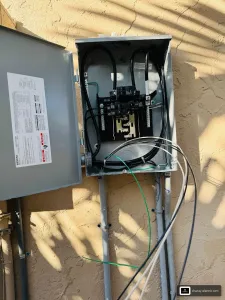
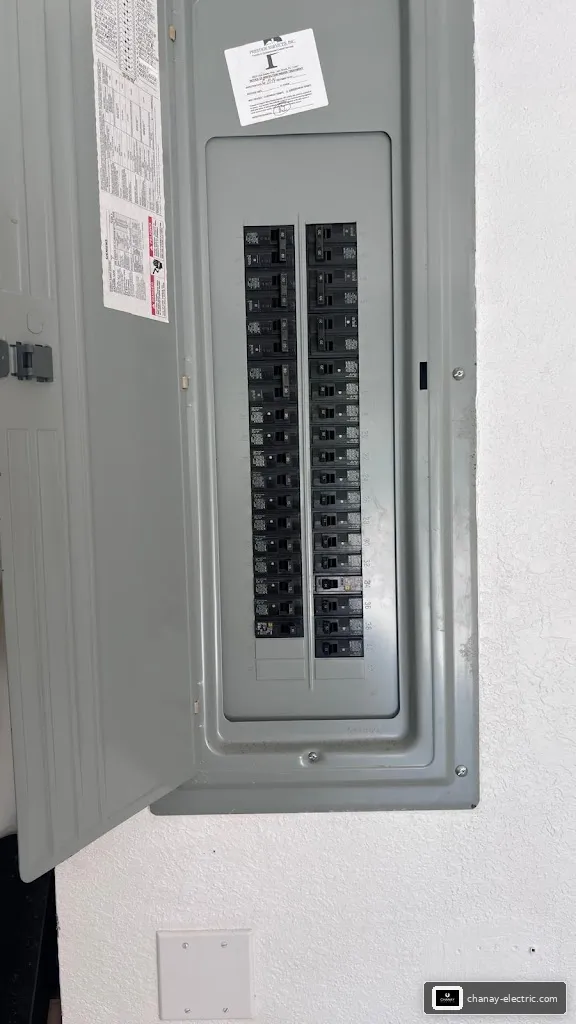
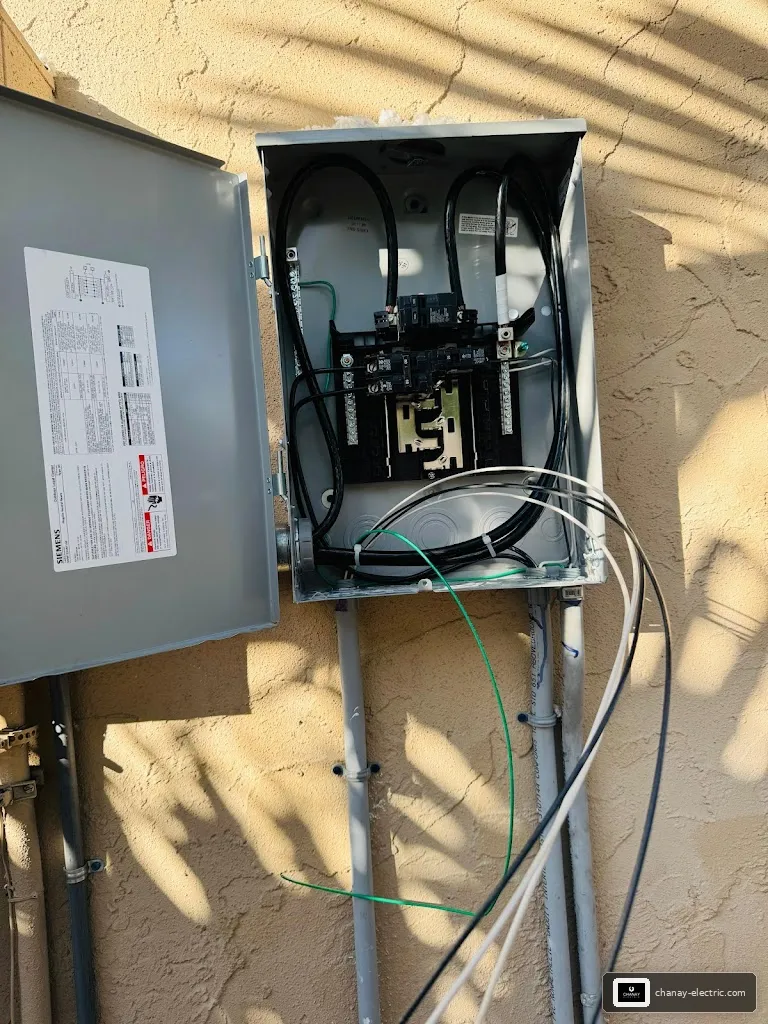
- Panel condition and labeling: Inspectors check for damaged or overheated breakers, corrosion, double-tapped breakers where not permitted, and clearly labeled circuits.
- Grounding and bonding: Missing or improper grounding is one of the most frequent fail points because it directly increases shock and fire risk.
- GFCI and AFCI protection: Required in kitchens, bathrooms, garages, outdoor areas, and other code-mandated locations.
- Wiring condition: Exposed conductors, deteriorated insulation, amateur splices, and incorrectly sized wire are all common red flags.
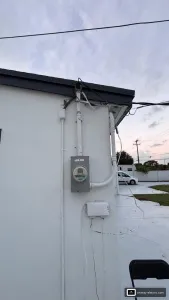
- Service equipment and meter base: Inspectors often review the service entrance and may require utility coordination for certain service work.
Older wiring types like knob-and-tube or aluminum branch wiring almost always draw extra attention, and can trigger insurer-required repairs even if the system is currently functional. If you’re unsure what condition your wiring is in, our residential electrical safety inspection checklist walks through the 12 points most inspectors evaluate.
How Should You Prepare Before Inspection Day?
Preparation is the single biggest factor separating a smooth pass from a frustrating string of repair requests. Start with a pre-inspection walkthrough of your own, or better, have a licensed electrician do it for you a few weeks ahead of time.
- Test every GFCI and AFCI outlet. Press the test and reset buttons on all GFCI outlets in kitchens, bathrooms, and outdoor areas to confirm they trip and reset properly.
- Clear access to your panel. The code requires clear working space in front of the panel (generally 3 feet deep and 30 inches wide), so move stored items away in advance.
- Check breaker labeling. Make sure every circuit is labeled accurately; mislabeled or unlabeled panels are an easy, avoidable fail point.
- Look for visible wiring issues. Walk your attic and garage for exposed splices, missing junction box covers, or wiring that looks amateur.
- Confirm permits are pulled. If you’ve had any electrical work done recently without a permit, resolve that before scheduling an inspection.
- Gather documentation. Keep receipts, permits, and any prior inspection reports handy in case the inspector asks about past work.
If your home has an outdated panel or you’re considering upgrades before the inspection, it’s worth reviewing what a panel upgrade typically involves in Broward County so you understand scope and timing before committing. For homes that have experienced storm-related power surges, it’s also worth confirming your surge protection setup; our guide on signs your home needs whole-house surge protection covers warning signs inspectors and insurers both watch for.
What Affects the Cost of Inspection and Repairs?
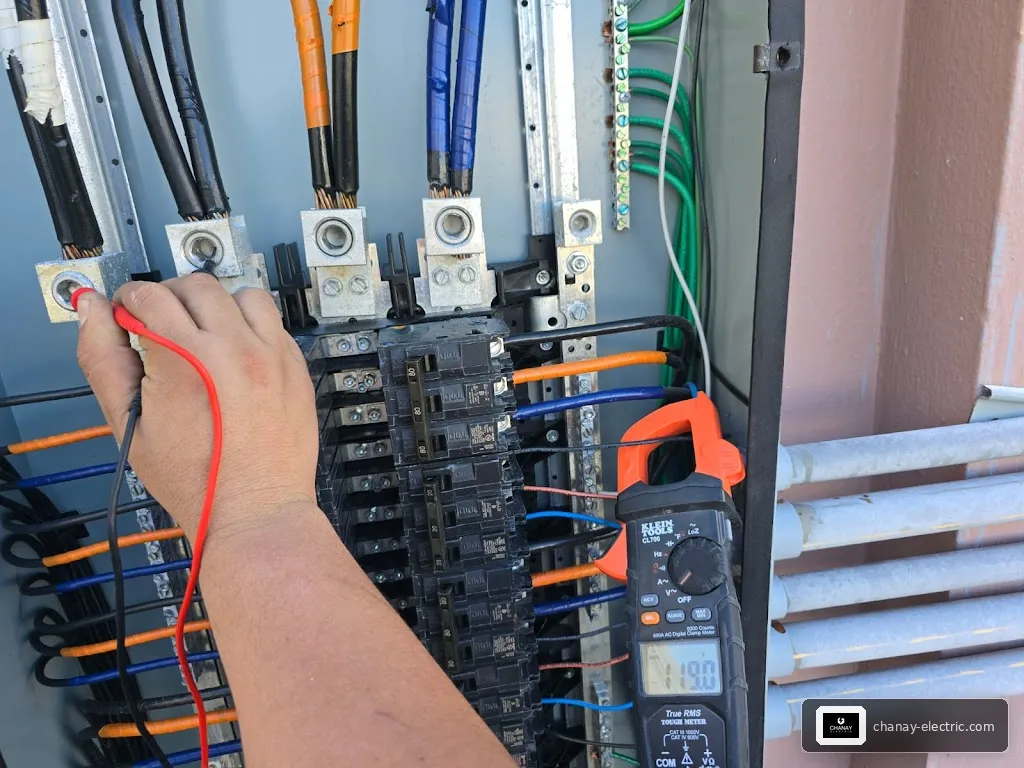
Electrical inspection and repair costs depend on the scope of work, your home’s age, panel type, and how much correction is needed after the inspection. Ask what an inspection includes before booking, since some are a quick visual check and others include testing.
| Inspection Type | Typical Trigger | Common Timing |
|---|---|---|
| 4-Point Inspection | Insurance renewal or new policy | Homes 15-30+ years old |
| Permit Rough-In | Mid-project, before walls close | During active renovation |
| Final Inspection | Permit closeout | Project completion |
Repair costs after a failed inspection depend heavily on what needs correcting. A few outdated outlets or missing GFCI protection might be a minor fix, while a full panel replacement or rewiring project is a much larger investment.
Timeline: Same day to a few days
Timeline: 1-3 days
Timeline: Several days to weeks
What Are the Most Common Reasons Florida Homes Fail?
Most failed inspections in Florida come down to a small set of recurring issues rather than obscure code violations. Double-tapped breakers, missing GFCI protection in wet locations, and improper grounding account for a large share of repair requests.
Older homes face compounding risk because outdated panel brands, aluminum wiring, and undersized service equipment were all common decades ago but no longer meet today’s expectations. Legacy wiring and panel types are among the top reasons insurers flag homes during underwriting.
If your home is showing symptoms like flickering lights, warm outlet covers, or breakers that trip repeatedly, it’s worth troubleshooting before scheduling an inspection. Our guide to electrical troubleshooting for common residential problems covers many of these warning signs in detail.
Key Takeaways
- Florida electrical inspections fall into two categories: permit-driven inspections for active work and insurance-driven 4-point inspections for older homes.
- Many insurers require 4-point inspections on older homes, so check your carrier’s rules before renewal.
- Panel condition, grounding, GFCI/AFCI protection, and visible wiring quality are the five categories inspectors focus on most.
- A pre-inspection walkthrough with a licensed electrician catches most issues before the official inspection, reducing delays.
- Repair costs vary widely by scope, so treat any single quoted number as a rough starting point rather than a guarantee.
- Most permitted electrical projects in Florida require two to three staged inspections: rough-in, service, and final.
- Older wiring types and outdated panels are consistently the top reasons Florida homes get flagged during underwriting review.
People Also Ask
What is the electrical inspection process in Florida step by step?
The process typically starts with scheduling through your local building department or an insurance carrier’s approved inspector, followed by a walkthrough of the panel, wiring, grounding, and safety devices. For permitted work, expect a rough-in inspection before walls close, then a final inspection once the project is complete.
What is included in a Florida 4-point inspection checklist?
A 4-point inspection covers the electrical system, plumbing, HVAC, and roof, with the electrical portion focusing on panel condition, wiring type, grounding, and visible hazards. Insurers set their own age thresholds, so ask yours.
What are the best tips for passing an electrical inspection?
Test all GFCI and AFCI outlets beforehand, clear access to your panel, confirm accurate circuit labeling, and address any exposed or amateur wiring. Scheduling a pre-inspection with a licensed electrician is the most reliable way to catch issues early.
How often should Florida homes get electrical inspections?
Many electricians suggest an inspection every few years, and more often for older homes or after storms and renovations.
Frequently Asked Questions
What triggers a mandatory electrical inspection in Florida?+
Insurance renewals on older homes commonly trigger a 4-point inspection request, and any permitted electrical work requires staged inspections through your local building department. Home sales often prompt an inspection as part of buyer due diligence as well.
Can I fix issues myself before the inspection?+
Minor items like testing GFCI outlets or clearing panel access are fine to handle yourself, but anything involving wiring, breakers, or grounding should be done by a licensed electrician. Unpermitted DIY electrical work can actually cause an inspection to fail if it’s discovered.
What happens if my home fails the inspection?+
A failed inspection usually results in a list of required corrections that must be completed and re-inspected before a permit is closed or an insurance policy is issued. Insurers may give you a window to complete repairs before coverage decisions are finalized.
Does a 4-point inspection cover the same things as a permit inspection?+
No, a 4-point inspection is a broader condition assessment for insurance purposes covering electrical, plumbing, HVAC, and roof, while permit inspections focus narrowly on verifying specific work meets code. Both check similar electrical safety fundamentals but serve different purposes.
Is aluminum wiring an automatic fail in Florida?+
Aluminum wiring isn’t automatically illegal, but it draws heavy scrutiny because it’s more prone to loose connections and overheating than copper. Many insurers require proof of proper remediation, such as approved connectors, before issuing coverage.
How long does an electrical inspection take?+
A typical residential electrical inspection takes one to two hours depending on home size and system complexity. Permit-related inspections tied to a specific project are often faster since the inspector is only reviewing the scope of that job.
Should I upgrade my panel before scheduling an inspection?+
If your panel is a known problematic brand, shows signs of overheating, or is undersized for your home’s current load, upgrading beforehand can prevent a failed inspection and future insurance headaches. A licensed electrician can assess whether an upgrade is necessary or if targeted repairs will suffice.
Related: Electrical Code Violations in Home Inspections: What They Mean
Related: Electrical Panel Upgrade Cost in Broward County: What Drives the Price
Related: Knob and Tube Wiring Replacement: What Florida Homeowners Need to Know
Preparing for an electrical inspection doesn’t have to be stressful when you know exactly what’s being evaluated. From panel labeling to grounding and GFCI protection, most issues that cause Florida homes to fail are preventable with the right preparation and a qualified electrician on your side. Whether you’re facing an insurance-driven 4-point inspection, closing out a permit, or simply want peace of mind about your home’s electrical safety, Chanay Electric can walk your property before the official inspection and handle any corrections needed. Browse our recent projects or contact our team today to schedule a pre-inspection and get ahead of any red flags before they cost you time or coverage.
Need a licensed electrician in Plantation or anywhere in Broward County? Call Chanay Electric at (754) 799-4371 or request a quote.
Further reading: Electrical Rewiring Older Homes in Florida: The Complete Overview
Further reading: Electrical Panel Size Requirements for Residential Homes in Florida: Your 2026 Hurricane Season Guide