Quick Answer
Electrical code violations found during a home inspection are outdated wiring, missing safety devices, or improper installations that do not meet the electrical code adopted in your area, and they are among the most commonly flagged issues in residential inspections. They range from minor fixes to serious fire hazards that need a licensed electrician before closing.
What Are Electrical Code Violations in a Home Inspection?
Electrical failures are a leading cause of home fires in the United States, according to the National Fire Protection Association. That is why electrical findings carry so much weight during a real estate transaction.
An electrical code violation is any wiring, panel, or device installation that doesn’t meet the electrical code adopted by your jurisdiction. Florida currently enforces the 2020 National Electrical Code through the Florida Building Code, 8th Edition (2023). Home inspectors aren’t code enforcement officers, but a good one will flag anything that looks outdated, unsafe, or improperly installed so buyers and sellers know what they’re dealing with before the deal closes.
Some violations are grandfathered in, meaning they were legal when installed but no longer meet today’s standard. Others are outright hazards, like exposed wiring or a missing ground. Understanding the difference matters, because it changes how urgently the issue needs to be addressed.
What Are the Most Common Electrical Violations Inspectors Find?
Most electrical findings fall into a predictable set of categories that inspectors see over and over again.
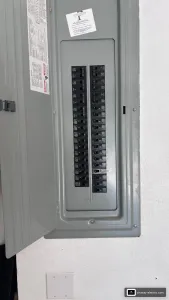
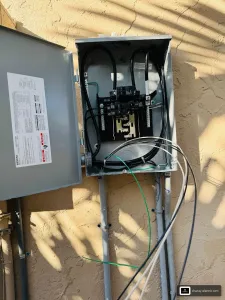
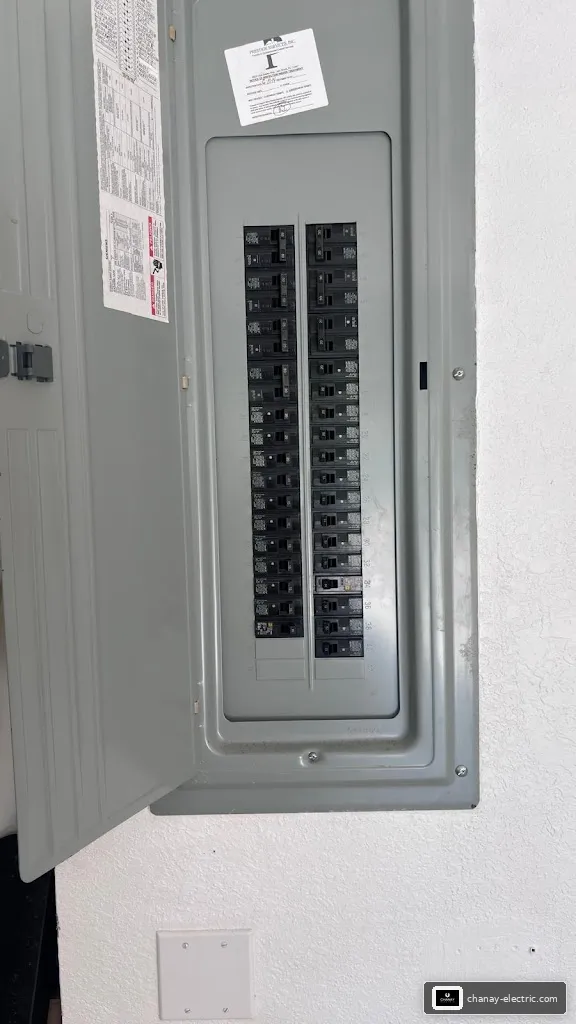
- Outdated or undersized panels: Homes with older 60-amp or 100-amp service, or known problem brands like Federal Pacific or Zinsco panels, are consistently flagged as the top issue in inspections.
- Overloaded circuits: Too many devices sharing one breaker, often from additions or remodels that were never properly re-wired.
- Missing GFCI protection: Kitchens, bathrooms, garages, and outdoor outlets without ground-fault protection remain one of the most frequently cited violations nationwide.
- Arc-fault protection is required in bedrooms and most living areas of newer homes.
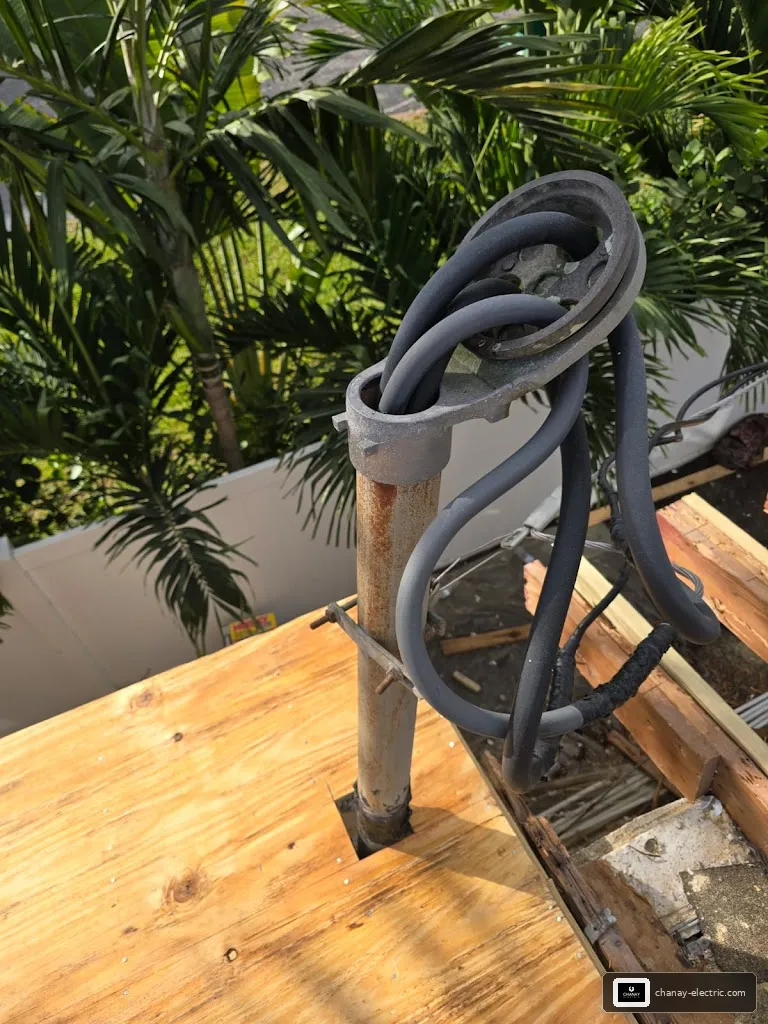
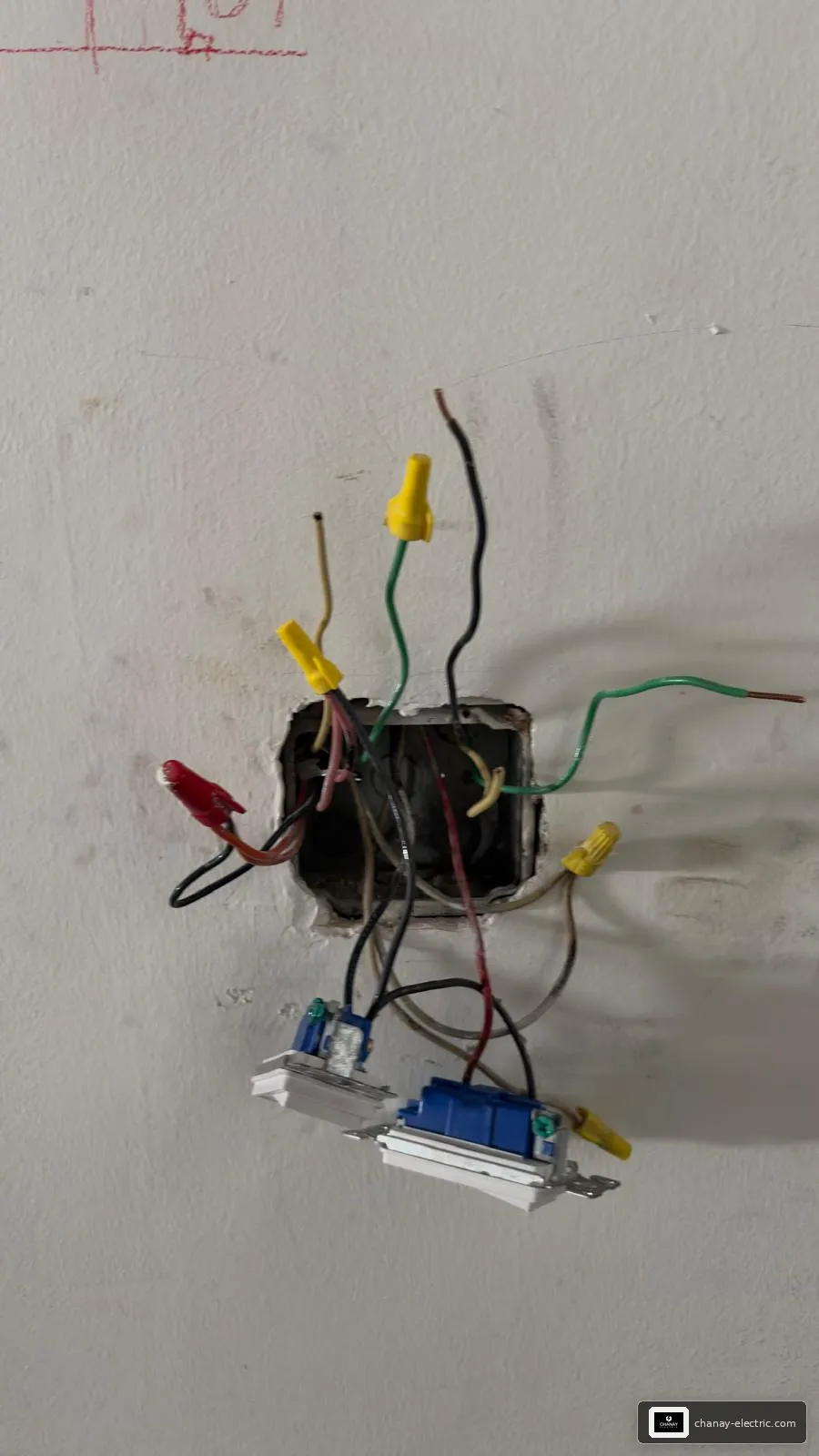
- Open junction boxes and exposed wiring: Missing cover plates or splices left uncovered are easy for an inspector to spot and easy for a licensed electrician to correct.
- Double-tapped breakers: Two wires forced into a slot designed for one, a classic sign of amateur work.
- Improper grounding and bonding: Missing bonding jumpers or incorrect neutral bonding in a subpanel are serious safety concerns.
- Unpermitted work: Electrical changes made without a permit or final inspection, often discovered after a remodel.
According to an industry review of the most commonly cited NEC violations, grounding and bonding defects, improper cable support, and panel labeling errors appear on nearly every inspector’s list year after year. Our own residential electrical safety inspection checklist walks through the same 12 points inspectors typically look for.
Why Do These Violations Matter for Buyers and Sellers?
For buyers, an electrical violation isn’t just a line item, it’s a signal about the home’s overall maintenance history. A home with an unpermitted panel swap or exposed wiring in the attic may have other deferred issues you can’t see. Insurance carriers pay close attention too, and outdated electrical systems are a frequent reason coverage gets denied or premiums rise.
For sellers, violations discovered late in the process can delay closing, trigger renegotiation, or scare off a buyer entirely. Addressing issues proactively, before the home hits the market, almost always costs less and moves faster than a rushed fix under contract deadline pressure.
Are Home Inspectors Liable if They Miss a Violation?
This is one of the most common questions we hear from both buyers and sellers, and the honest answer is: it depends. Home inspectors are trained to identify visible, accessible defects, not to perform a full code compliance audit like a licensed electrician or municipal inspector would. Most inspection contracts explicitly limit liability to what was reasonably observable at the time of inspection.
That means a hidden violation behind a finished wall, inside a sealed panel, or in an area the inspector couldn’t safely access typically falls outside their responsibility. But a clearly visible issue, like an open junction box or a double-tapped breaker in plain sight, is a different story, and inspectors who miss those can face complaints or claims depending on their state’s licensing board and the terms of their errors-and-omissions coverage.
This is exactly why many buyers and sellers bring in a licensed electrical contractor for a second opinion, particularly on older homes. An electrical safety inspection from a qualified electrician goes further than a general home inspection because it evaluates the system against current code, not just visible condition.
How Are Electrical Code Violations Fixed Before Closing?
Once a violation is flagged, the resolution path usually follows one of three routes: repair, credit, or price adjustment. Most lenders and real estate agents prefer the repair route because it clears the issue permanently and avoids future disclosure headaches.
The process generally looks like this:
- The home inspector’s report identifies the specific violation and location.
- A licensed electrician evaluates the issue in person and confirms scope.
- A permit is pulled if the work requires one, which is common for panel work or rewiring.
- The electrician completes the repair according to current code.
- A local jurisdiction inspector signs off, or in some cases a re-inspection report is issued to satisfy the buyer’s lender.
Homeowners preparing for a sale often benefit from reviewing our guide on how to pass an electrical inspection in a Florida home before listing, since it covers the exact items inspectors check first.
What Does a Qualified Electrical Contractor Do Differently?
Not every electrician handles code compliance work the same way, and this is where experience really shows. A qualified contractor pulls permits when required instead of quietly patching a problem, documents the fix with photos and code references, and coordinates directly with the local building department for final sign-off.
They also explain the “why” behind a repair rather than just doing the work. If a panel needs replacing because it is a known problem brand, or a circuit needs AFCI protection because the bedroom wiring predates current requirements, a trustworthy electrician walks you through the reasoning so you understand exactly what you’re paying for and why it matters for safety.
| Approach | What It Looks Like |
|---|---|
| Unlicensed quick fix | No permit, no inspection, work may not hold up in future disclosures |
| Licensed, permitted repair | Permit pulled, code-compliant work, inspector sign-off, documented for the closing file |
For deeper context on permit rules in South Florida, see our breakdown of electrical permit requirements for Fort Lauderdale homeowners, which applies to most similar jurisdictions in the region.
How Much Does It Cost to Correct Code Violations?
Pricing for electrical code corrections varies widely depending on the scope of the issue, the age of the home, the accessibility of the wiring, and local permit fees. A single missing GFCI outlet is a minor repair, while a full panel replacement due to an obsolete or recalled panel is a much larger project.
Small device-level corrections are usually modest repairs, while a panel replacement, service upgrade, or whole-house rewiring is a much larger project. Cost depends on the home, so the only way to get an accurate number is a hands-on evaluation and a written quote.
For a closer look at one of the most common big-ticket items, our article on electrical panel upgrade costs in Broward County breaks down what factors drive the price up or down. If your only issue is a single bad breaker, our circuit breaker replacement process breakdown covers that narrower scope of work.
Key Takeaways
- Electrical findings are common in home inspections, especially in older homes.
- Outdated panels, missing GFCI/AFCI protection, and grounding defects top the list of most-cited problems nationwide.
- Home inspectors flag visible issues but generally aren’t liable for hidden defects behind walls or inside sealed equipment.
- A licensed electrician, not a general inspector, is the right professional to confirm code compliance and pull permits.
- Fixing violations before listing a home is almost always faster and less stressful than negotiating repairs under contract.
- Costs range from minor device swaps to full panel replacements, so an in-person evaluation is essential for an accurate quote.
- Documentation, permits, and inspector sign-off protect both buyers and sellers long after closing day.
People Also Ask
Are home inspectors liable if they missed a visible code violation?
Home inspectors can face liability for clearly visible defects they should have caught, but most contracts limit responsibility to what was reasonably observable and accessible during the inspection. Hidden issues behind walls or inside sealed panels typically fall outside standard liability coverage.
Will my home inspection find code violations?
A standard home inspection will catch many visible electrical issues like missing GFCI outlets, open junction boxes, and obviously outdated panels, but it isn’t a full code compliance audit. A licensed electrician’s evaluation goes deeper and checks the system against the code in force.
What electrical code violations are most commonly found during home inspections?
The most frequent findings include outdated or undersized panels, missing GFCI or AFCI protection, open junction boxes, double-tapped breakers, and improper grounding or bonding. Unpermitted DIY electrical work is also a recurring issue, especially in homes that have been remodeled.
Can you sell a house with electrical code violations?
Yes, but the violation typically must be disclosed to the buyer, and many buyers will negotiate a price reduction, repair credit, or require the fix before closing. Correcting the issue before listing usually results in a smoother, faster sale.
Frequently Asked Questions
Does a home inspector check the electrical panel in detail?+
Inspectors typically open the panel cover and visually check for obvious hazards like double-tapped breakers, rust, or burn marks, as outlined in guidance from the National Association of Certified Home Inspectors’ panelboard inspection standards. They generally don’t remove internal components or test load capacity the way a licensed electrician would.
Is a code violation the same as a safety hazard?+
Not always. Some violations are grandfathered code changes that pose minimal risk, while others, like exposed wiring or missing grounding, are active safety hazards that need immediate attention. A licensed electrician can help distinguish urgent risks from minor compliance gaps.
Do I need a permit to fix an electrical code violation?+
In most jurisdictions, yes, especially for panel work, rewiring, or new circuits. Skipping the permit can create disclosure problems for a future sale, so it’s worth confirming requirements with a licensed contractor before work begins.
What happens if a buyer’s inspection finds an electrical violation?+
The buyer and seller usually negotiate who repairs the issue and when. Common outcomes include the seller hiring a licensed electrician before closing, offering a repair credit, or adjusting the sale price to reflect the cost of the fix.
Why do older homes fail electrical inspections more often?+
Older homes were wired to the code standards of their era, which often predates GFCI, AFCI, and modern grounding requirements. As the code has evolved, homes that haven’t been updated naturally fall further behind current standards.
Should I get an electrical inspection before listing my home?+
Yes. A pre-listing evaluation lets you fix issues on your own timeline and budget instead of scrambling after a buyer’s inspection flags them. It also strengthens your negotiating position and can speed up closing.
Related: How GFCI Outlets Protect Your Bathroom and Kitchen Safely
Related: Electrical Rewiring Older Homes in Florida: The Complete Overview
Related: Electrical Panel Upgrade Cost in Broward County: What Drives the Price
If a recent inspection turned up electrical concerns, or you simply want peace of mind before listing your home, our team at Chanay Electric can evaluate the system, explain exactly what needs attention, and handle the permitted repair from start to finish. Learn more about our team on the About page, browse recent work on our projects page, or visit Chanay Electric directly to schedule a licensed evaluation. Reach out through our contact page today to get a clear, honest assessment before your next inspection.
Need a licensed electrician in Plantation or anywhere in Broward County? Call Chanay Electric at (754) 799-4371 or request a quote.