
Electrical Rewiring in Plantation, FL
Older wiring is one of the leading causes of residential electrical fires in the United States. If your South Florida home was built before 1985, or if you are experiencing flickering lights, tripping breakers, or outlets that feel warm to the touch, it may be time for a professional electrical rewiring. At Chanay Electric, our licensed electricians perform full and partial house rewiring throughout Fort Lauderdale, Miami, West Palm Beach, and the surrounding communities. We handle every step of the process, from initial assessment through permit-compliant installation, so your home meets current Florida electrical code and is safe for years to come.
- Licensed and Insured Electrician
- 4.9 Stars on Google
- Residential and Commercial
- Same-Day Emergency Service Available
Why Electrical Rewiring Matters in South Florida
South Florida’s combination of heat, humidity, and aging housing stock accelerates wiring deterioration faster than in most other parts of the country. Homes built in the 1960s through the early 1980s were often wired with aluminum wiring or knob-and-tube wiring that is no longer code-compliant and cannot support modern appliances, air conditioning loads, or EV chargers. Frequent lightning strikes and power surges in the region can also degrade insulation over time, increasing the risk of overheating and arcing faults.
When you hire Chanay Electric, you get a licensed, insured electrician who handles the entire project from start to finish. We inspect your existing wiring, develop a rewiring plan that accounts for your home’s layout and electrical loads, pull all required permits, and coordinate inspections so the job is fully documented and code-compliant. Whether you need a full rewiring or a targeted partial rewiring, we bring the experience and licensing to do it right.
Signs Your South Florida Home Needs Electrical Rewiring
Frequent Breaker Trips
Loose or degraded wiring connections cause voltage fluctuations that appear as flickering or dimming lights throughout the home.
Flickering or dimming lights
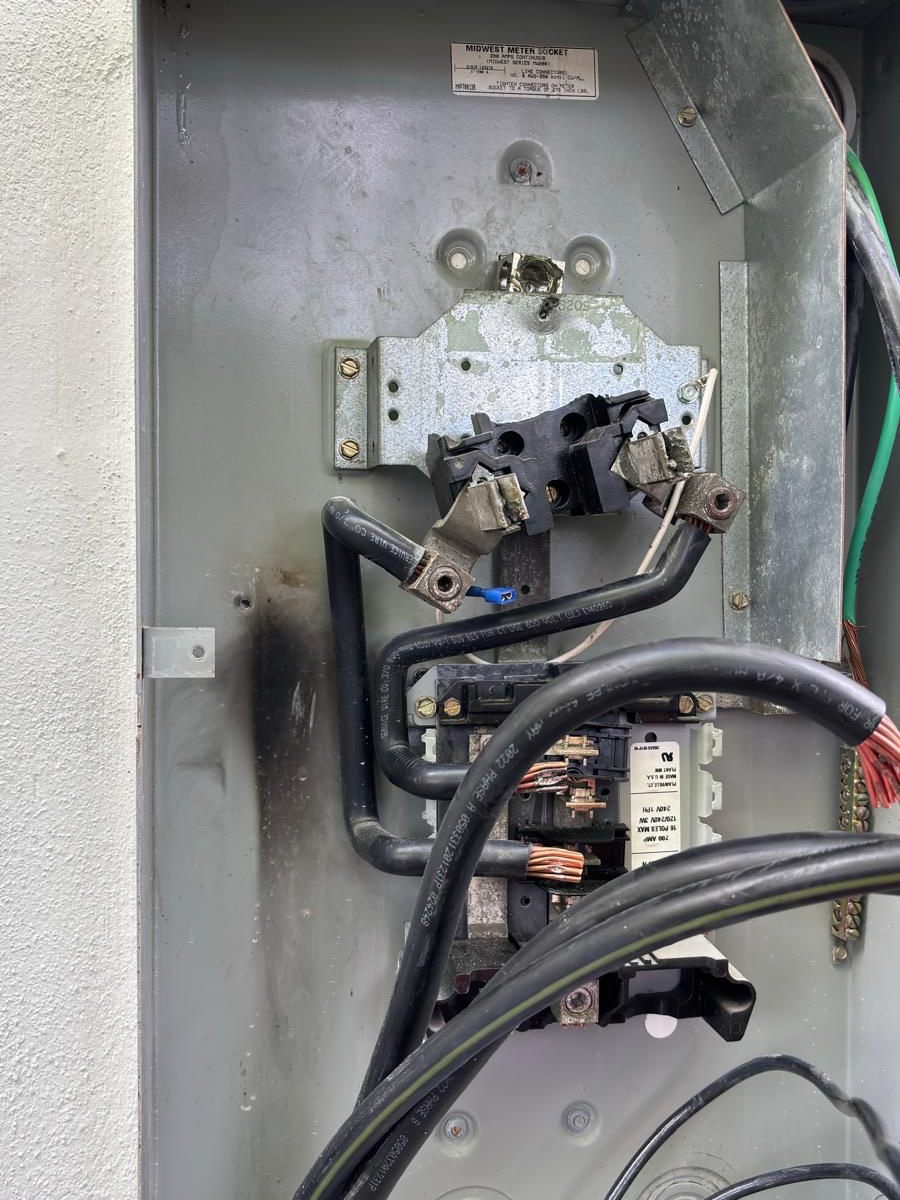
A burning odor near any outlet, switch plate, or your electrical panel is a serious warning sign that requires immediate professional attention.
Burning smell near outlets or panels
Any outlet or switch plate that appears blackened or discolored indicates arcing has occurred and the wiring behind it needs to be evaluated.
Discolored or scorched outlet covers
Any outlet or switch plate that appears blackened or discolored indicates arcing has occurred and the wiring behind it needs to be evaluated.
Outlets or switches that feel warm
Warm cover plates suggest current is leaking into surrounding material, which is a fire hazard that no homeowner should ignore.
Aluminum or knob-and-tube wiring
If your home was built before 1975 and has never been rewired, it likely contains wiring types considered hazardous by current Florida code standards.
No GFCI protection in wet areas
If your kitchen, bathrooms, or outdoor outlets lack ground fault circuit interrupter protection, your home does not meet current electrical code requirements.
Wiring that has not been updated in 40 or more years
Even wiring that shows no obvious symptoms degrades over decades, and a home that has never been rewired is statistically overdue for a professional assessment.
Our Electrical Rewiring Work in South Florida
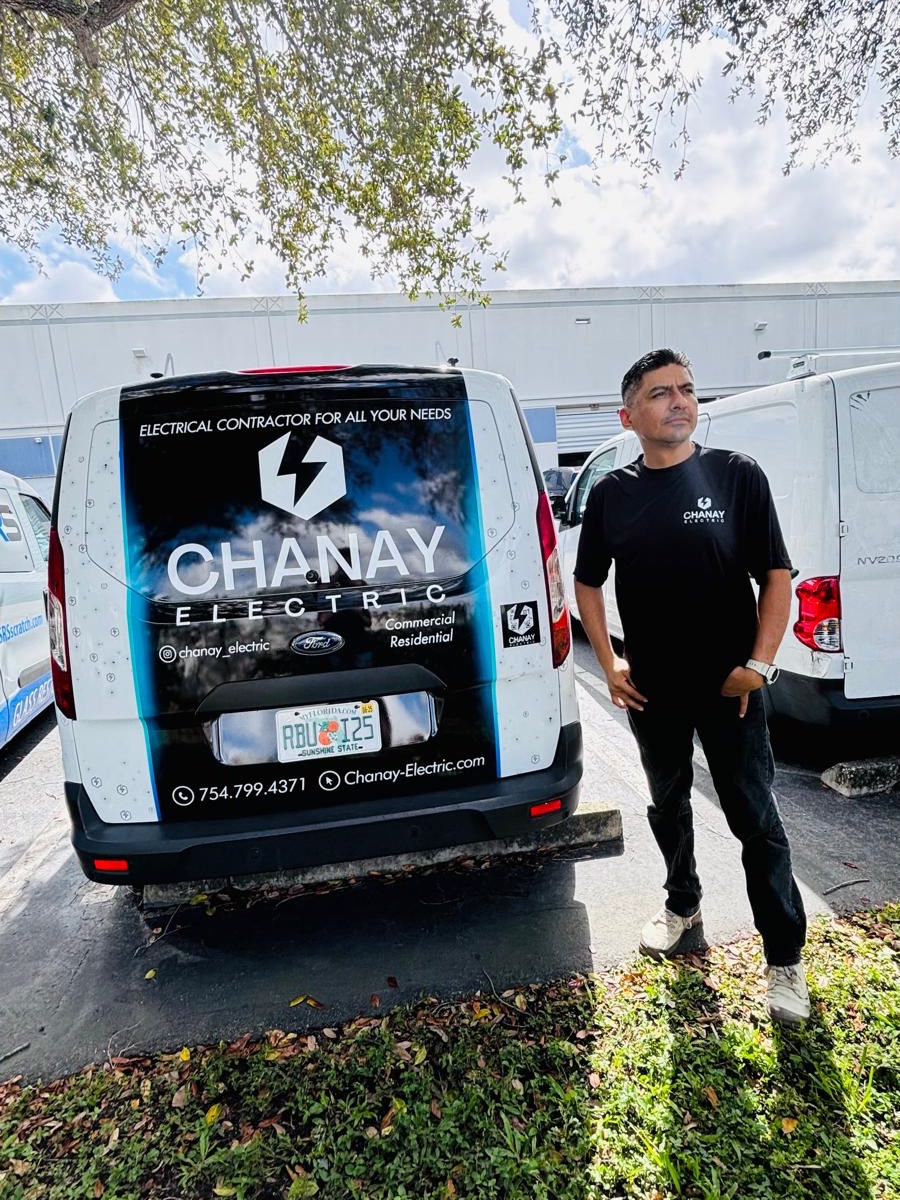
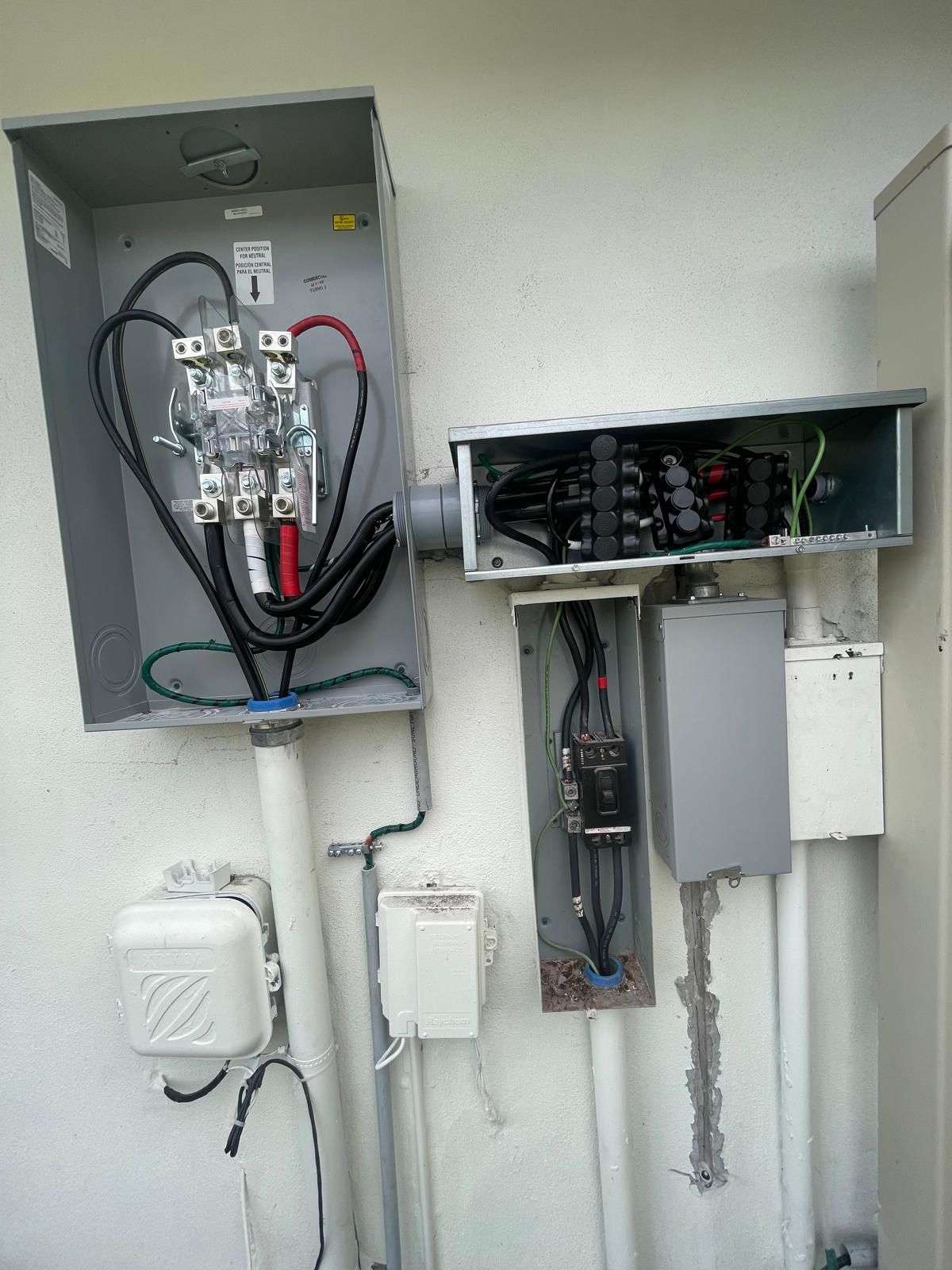
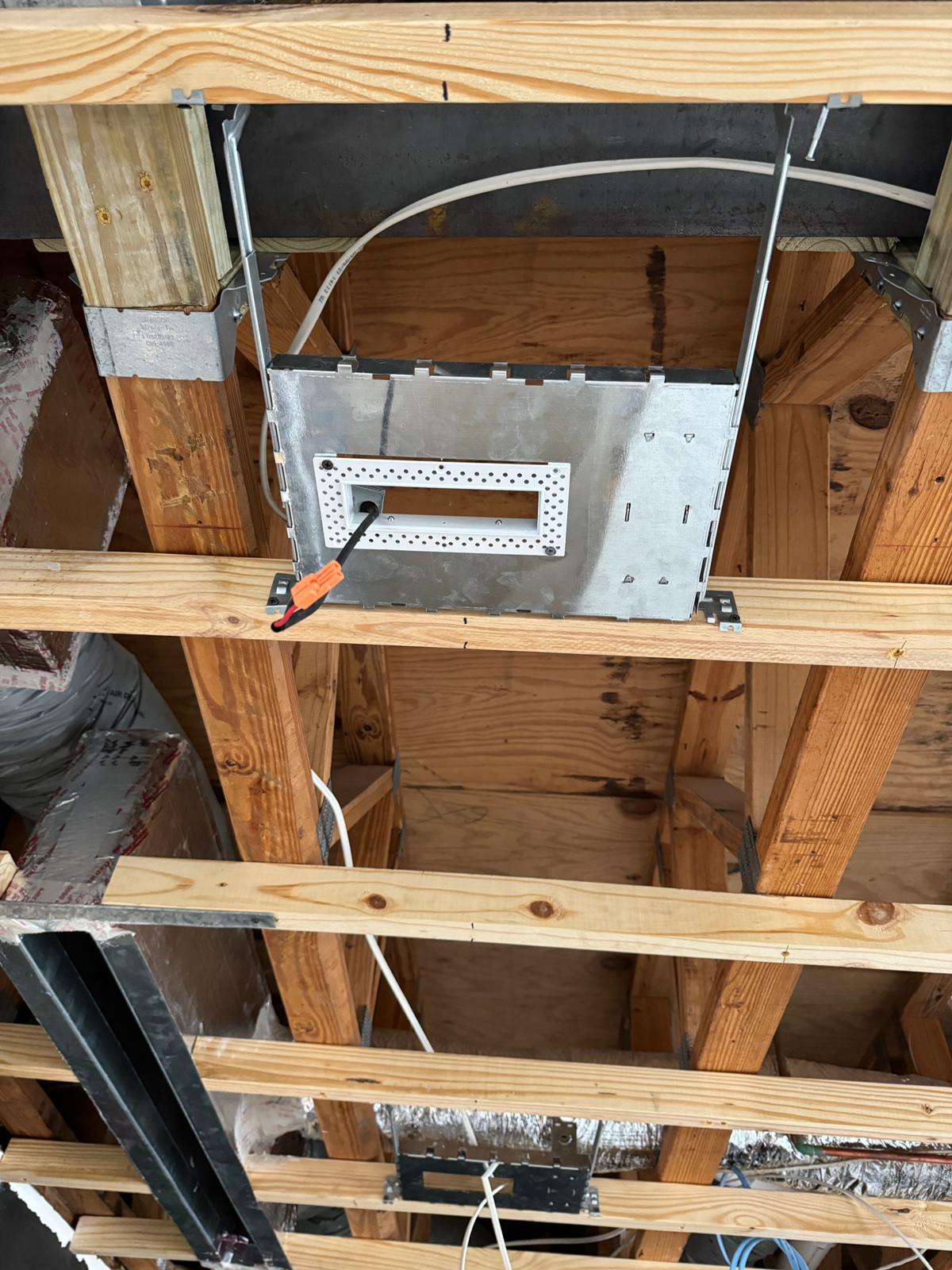
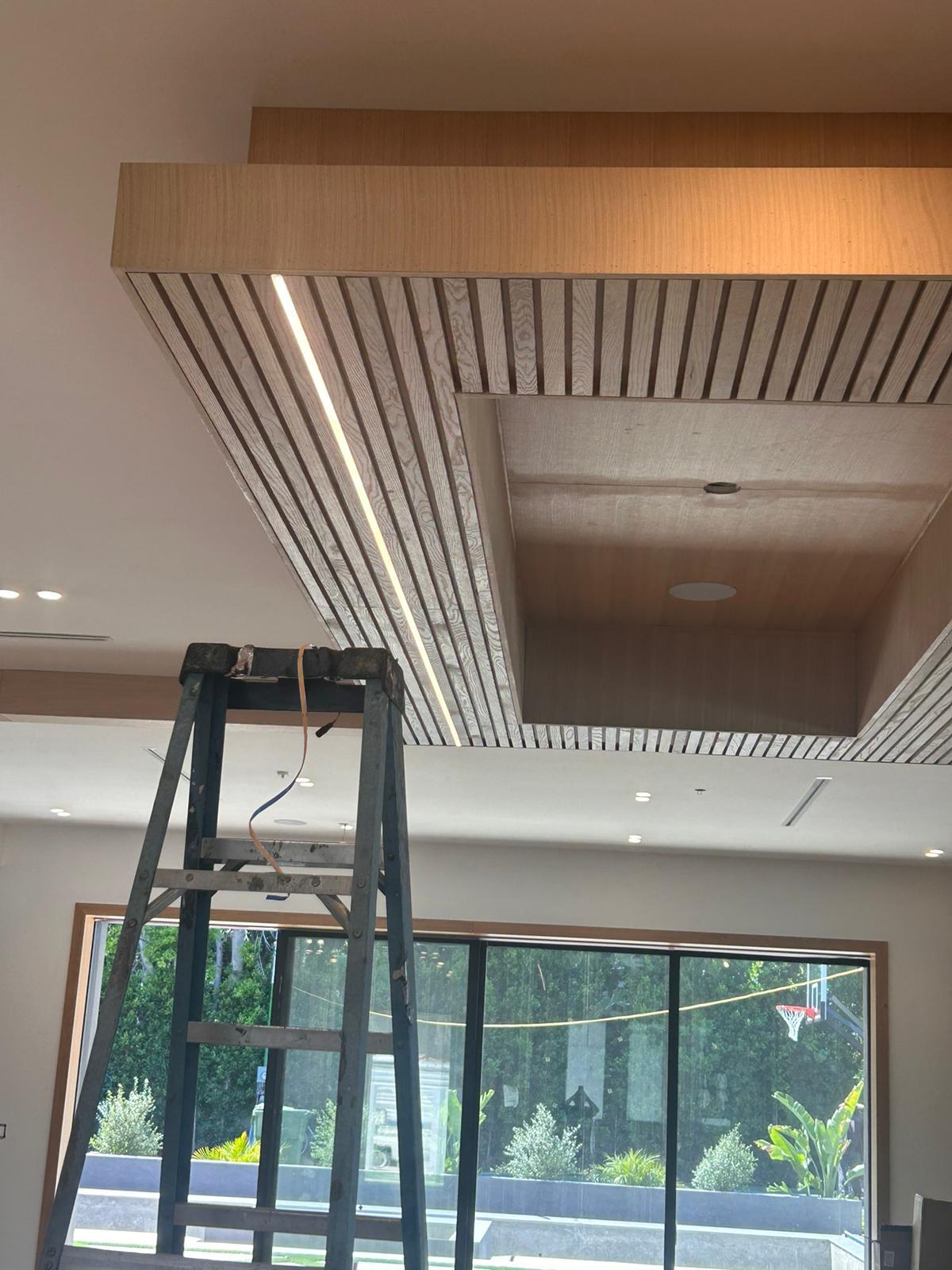
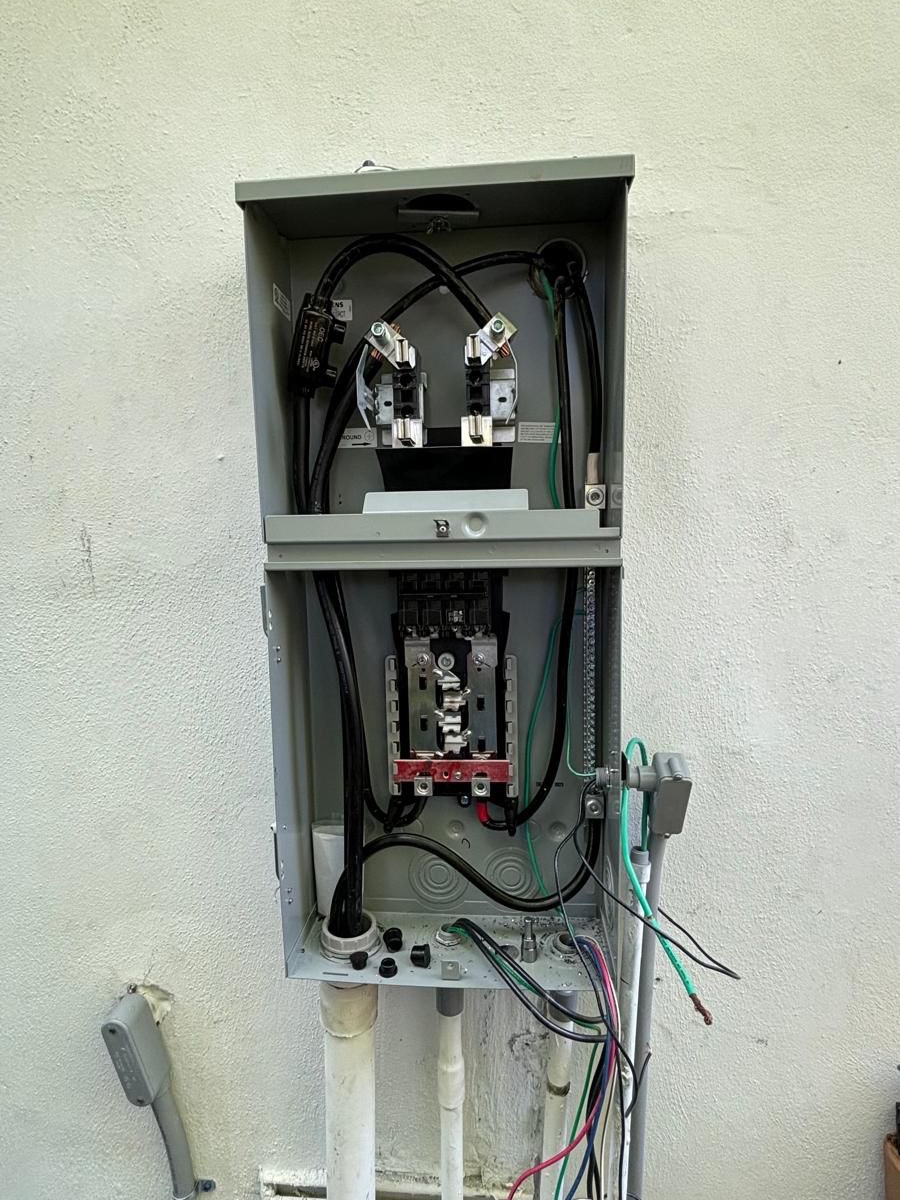
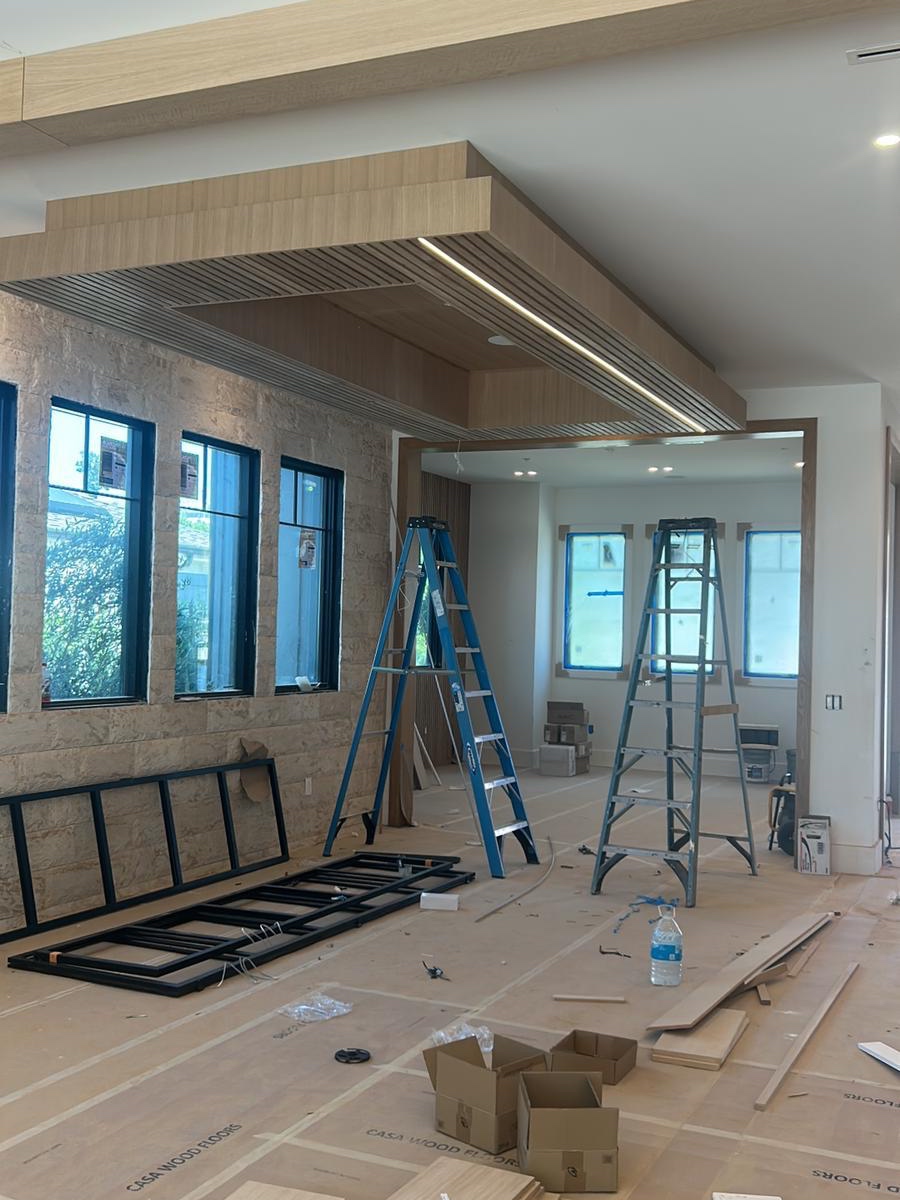
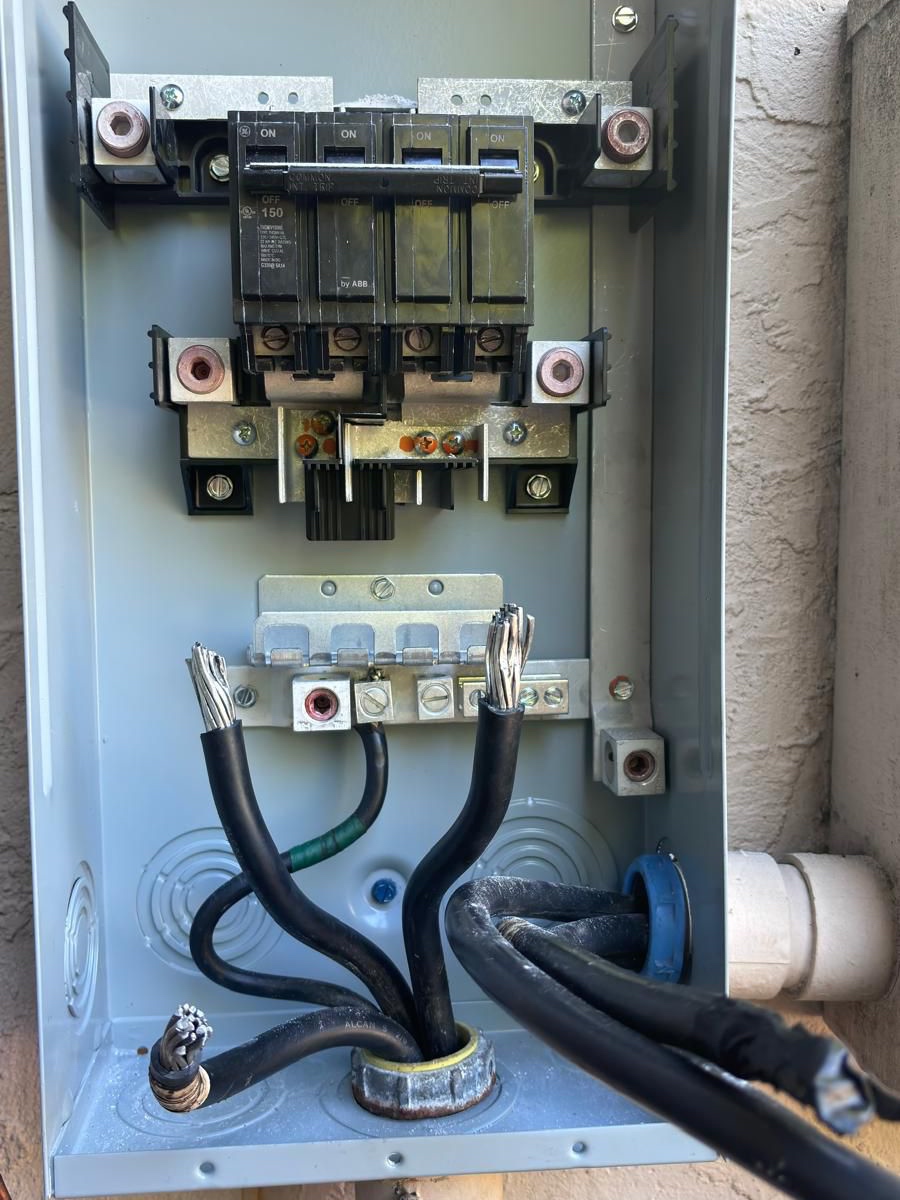
Chanay Electric has completed electrical rewiring projects throughout South Florida, including full home rewires for older residences in Fort Lauderdale, partial rewiring projects tied to panel upgrades in West Palm Beach, and code-compliance rewiring for homes being prepared for sale in Miami and Plantation. Our work is permitted, inspected, and documented on every job. You can browse examples of our electrical projects in the Our Work section of this site to see the types of jobs we handle and the results we deliver.
Why You Should Leave Electrical Rewiring to a Licensed Electrician
Electrical rewiring is not a DIY project. Unlike swapping a light fixture or replacing an outlet cover, a full or partial house rewiring involves working inside walls, handling live circuits, navigating your home’s electrical panel, and meeting strict permitting and inspection requirements under Florida law. Mistakes made during a rewiring project can result in wiring that passes a visual check but fails under load, creating hidden fire hazards that may not show up for months or years.
Florida requires that electrical rewiring work be performed by a licensed electrical contractor. Unpermitted rewiring work can void your homeowner’s insurance, create problems when you sell the home, and leave your family at risk. When Chanay Electric handles your rewiring, every phase of the work is done by a licensed electrician, every permit is pulled before work begins, and every inspection is completed and documented before the project is closed out. You get peace of mind along with a safe, code-compliant home.
What South Florida Customers Say About Chanay Electric
What to Expect During a Home Rewiring
Many homeowners are concerned about the disruption that comes with a house rewiring. Here is a straightforward overview of how Chanay Electric approaches the process:
Electrical inspection and assessment. We evaluate your existing wiring, panel, and electrical loads to determine the full scope of work needed.
Permit application. Chanay Electric pulls all required permits with the local building department before work begins. This protects your home’s insurance coverage and ensures the work is legally documented.
Rewiring. Our electricians replace old or hazardous wiring with copper wiring sized to current code standards. We work room by room, minimizing disruption to your household wherever possible.
Panel evaluation. In many older homes, a rewiring project reveals that the existing electrical panel is also undersized. We will advise you if a panel upgrade should be done at the same time.
Final inspection and documentation. After the rewiring is complete, we coordinate the required municipal inspection so you receive full sign-off and a documented record of the work.
Frequently Asked Questions About Electrical Rewiring
Another way to know if it’s time for rewiring is to consider how old your current system is. Typically, electrical systems need to be rewired about once every 20 to 40 years.
But, if you own an older home or property, you may not know the last time it was rewired. We would recommend calling in a professional electrician to take a look at your system and assess whether your home or workplace is still using the original wiring or has been updated.
The good news is, modern wiring can last longer than traditional materials! In fact, rewiring your house today could mean that your electrical system lasts anywhere from 40 to 70 years.
Another example of when you’ll need to call in a professional electrician for electrical wiring is in the case of new constructions, home additions, or remodels! Your remodeling team may hire a subcontractor to oversee the electrical wiring for your project, or if you have an electrician that you trust, you can bring them in to help with the planning and installation of new wiring.
Even if you’re not planning any physical changes to your space, you may need rewiring if you anticipate a change in your electricity usage. This would be the case if your business is expanding and you’ll be using more electronics or appliances as you hire more staff. Or, you might need to adjust your system if you plan on installing an e-vehicle charging station.
Any time you’re dealing with electricity, you’ll need to acquire the appropriate permits to ensure that everything is being done safely. Here in Fort Lauderdale, for instance, any work involving electrical rewiring that is regulated by technical code requires permit acquisition through the Development Services Department.
If you’re not sure what kind of permit you need, we’re happy to help! As licensed electricians here in South Florida, we’re well-versed in permit approval submissions!
When we put together an electrical rewiring plan, we take into account everything from lifestyle to number of household members or staff to any special requests that clients may have, such as extra electrical outlets or an e-vehicle charging station. We may also ask about any foreseeable changes that may come in the next few years, such as an expanding family, or business expansion.
These questions give us a better idea of what the electrical needs will be of the client so that we can install a new system with the right load capacity. After all, you don’t want to invest in rewiring your home or workplace only to have it be insufficient in a few years.
Curious about what to expect from start to finish with a rewiring project? Here’s the step-by-step for homes and commercial spaces:
- Create an electrical plan. As mentioned, this will include sitting down to discuss electrical needs and any planned future changes in electrical usage.
- Acquire the appropriate permits. Before any work can be done, we need to have the approved building permits.This process can take anywhere from a few days to a couple of weeks.
- Prepare the worksite and remove the outdated wiring. This will include shutting off the power source and stripping the old wiring, switches, and plugs.
- Install the new wiring. How long the installation will take depends on a variety of factors, including the complexity of the new electrical system and the size and age of the property. It could last anywhere from 3 to 10 days, but we can give a more accurate estimate during the planning stage.
- Test the new electrical system. Testing the system is an important final stage so that we can leave knowing that the new wiring is safe and reliable!
Service Areas for Electrical Rewiring
Serving Plantation and all of Broward County. Chanay Electric is based at 10161 SW 2nd St, Plantation, FL 33324 and provides electrical rewiring throughout Broward County, including Plantation, Fort Lauderdale, Davie, Weston, Sunrise, Cooper City, Pembroke Pines, Hollywood, Lauderhill, Tamarac, Coral Springs and Pompano Beach. Learn more about our work as your Plantation electrician, or call (754) 799-4371 to confirm service at your address.