
Ceiling Fan Installation in Plantation, FL
Ceiling fans are one of the smartest upgrades a South Florida homeowner can make. They reduce your dependence on air conditioning, improve airflow in humid conditions, and add a finished look to any room. At Chanay Electric, our licensed electricians handle ceiling fan installation throughout Fort Lauderdale, Miami, West Palm Beach, and the surrounding areas. Whether you are replacing an old fan, installing a new one where no wiring exists, or upgrading to a smart-controlled model, we make the process simple and safe.
- Licensed and Insured Electrician
- 4.9 Stars on Google
- Residential and Commercial
- Same-Day Emergency Service Available
Why Professional Ceiling Fan Installation Matters in South Florida
South Florida Ceiling Fan Challenges
South Florida homes present unique challenges for ceiling fan installation. High humidity, older electrical panels, and vaulted ceilings in many residential builds require more than a basic swap-out. A ceiling fan that is improperly mounted or wired can wobble, overheat, or create a safety hazard over time.
What Chanay Electric Handles for You
When you hire Chanay Electric, you get a licensed, insured electrician who will assess your existing wiring, verify your junction box can support the fan’s weight, and ensure the installation meets all current Florida electrical code requirements. We bring the right equipment for every ceiling type, including concrete ceilings common in South Florida construction.
What to Know Before Choosing Your Ceiling Fan
Start with the Right Size for Your Room
Choosing the right fan size is the first step toward getting real performance out of your installation. Blade span should match the square footage of your room. Rooms under 100 square feet typically work well with a blade span up to 36 inches. Medium-sized rooms between 100 and 400 square feet are best served by fans in the 36 to 54-inch range. Anything larger than 400 square feet will need a blade span over 54 inches or multiple fans working together.
You can also evaluate fans by CFM, or cubic feet per minute. A small room typically performs well at around 1,000 CFM, while larger living areas often require 4,000 CFM or more for adequate air circulation.
Flush Mount vs. Downrod: Which Mounting Style Is The Right Choice For You?
Flush mount (also called hugger) fans sit directly against the ceiling and work well in standard 8-foot ceilings, which are common throughout South Florida homes. Downrod mounting suspends the fan lower and is the better choice for rooms with ceilings above 9 feet. The goal is to keep the fan blades at roughly 8 to 9 feet from the floor for optimal airflow.
If you have a vaulted or angled ceiling, an angled mounting kit will be required. This is something our electricians handle routinely and can advise on during your consultation. No matter your ceiling type or height, Chanay Electric has the experience and equipment to complete a safe, secure installation the first time.
Blade Design and Finish
Blade design has a minimal impact on energy efficiency. The choice is primarily aesthetic. Matte finishes, wood-look blades, and modern metal styles all perform similarly, so focus on what matches your interior. What does matter from a performance standpoint is the motor quality and blade pitch, typically between 12 and 15 degrees for effective airflow.
Integrated Light Fixtures
Ceiling fans with built-in light kits serve double duty and can eliminate the need for a separate overhead fixture. This is a popular choice for bedrooms, living rooms, and covered patios. If you want a light but prefer a cleaner look, many modern fans offer LED light kits with remote or app-based dimming controls.
Noise Level
Modern fans are designed to run quietly, but noise complaints still come up with some models. Before purchasing, check online reviews specifically for motor noise and wobble. Brands with sealed, permanently lubricated motors tend to perform best in humid climates like South Florida’s.
Smart Controls and Wall Switches
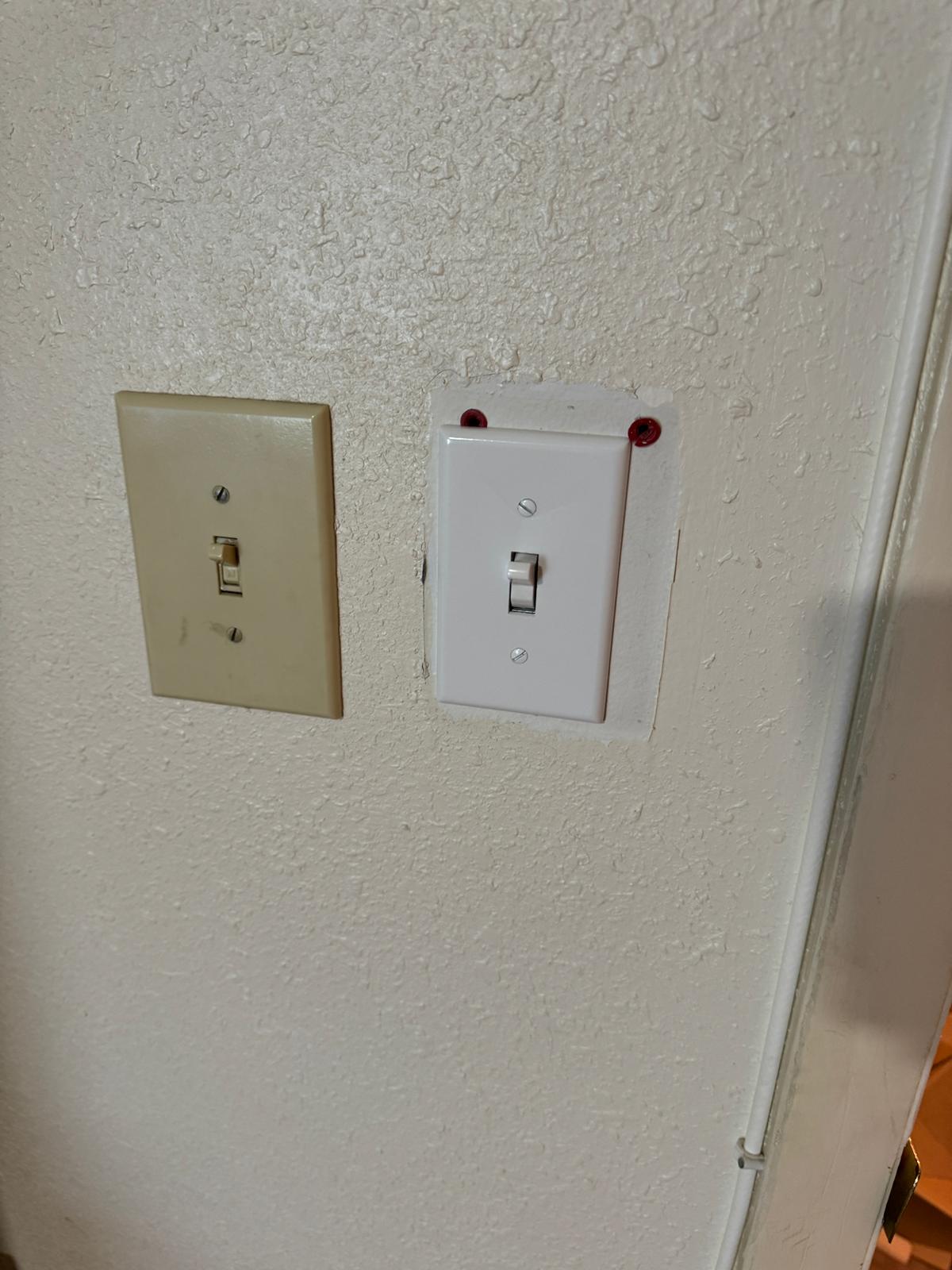
Today’s ceiling fans can be operated via wall switch, remote control, or smartphone app. Smart-enabled fans can be integrated with Google Home, Amazon Alexa, and Apple HomeKit for full voice and schedule control. If you are upgrading from a pull-chain fan, our electricians can install a new compatible wall switch as part of the job.
Outdoor Ceiling Fan Installation in South Florida
Covered patios, lanais, and pool areas are natural candidates for ceiling fan installation in South Florida, but not just any fan will do outdoors. Before purchasing, check for a UL moisture rating. Damp-rated fans are suited for covered outdoor areas protected from direct rain, while wet-rated fans can handle direct exposure to rain and moisture. South Florida’s combination of salt air, humidity, and intense heat accelerates wear on standard indoor fans, and installing an unrated fan outdoors will void the warranty and can create a genuine safety risk. Our electricians will also ensure the outdoor junction box, wiring, and conduit are properly sealed and weatherproofed to code. If you are unsure which rating your space requires, we can assess the area and point you toward the right fan before you buy. Getting the rating right from the start protects your investment and keeps your outdoor space safe for years to come.
Our Ceiling Fan Installation Work in South Florida
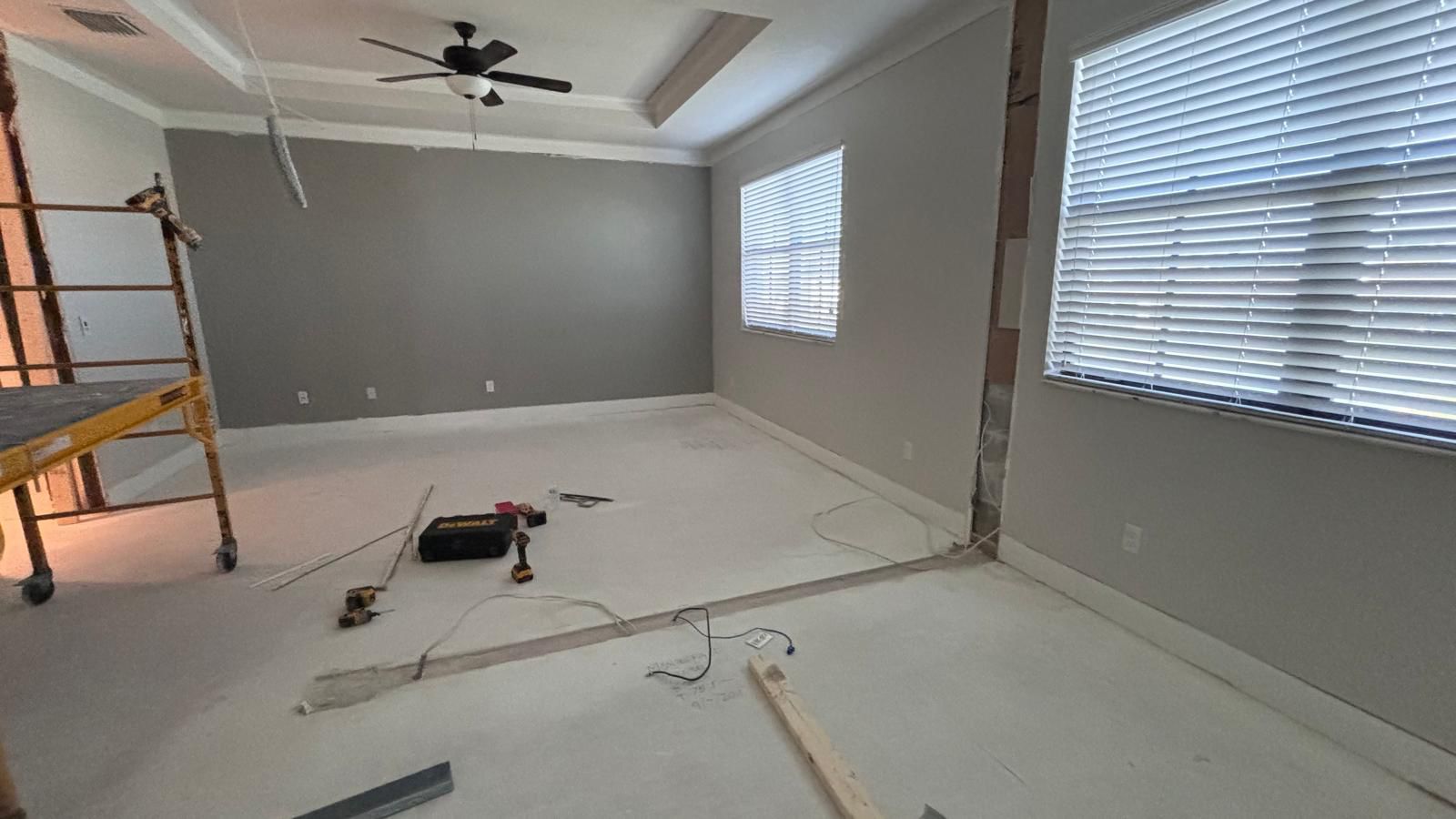
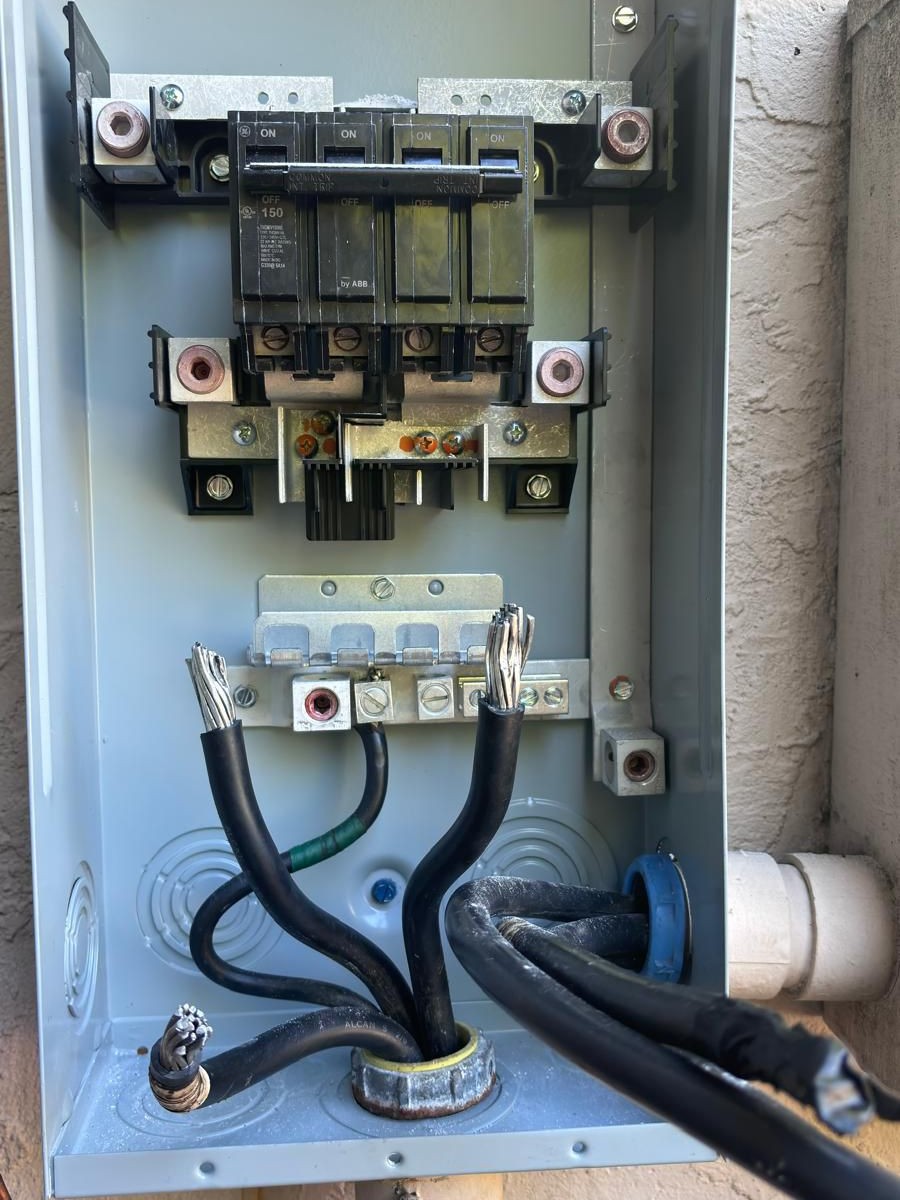
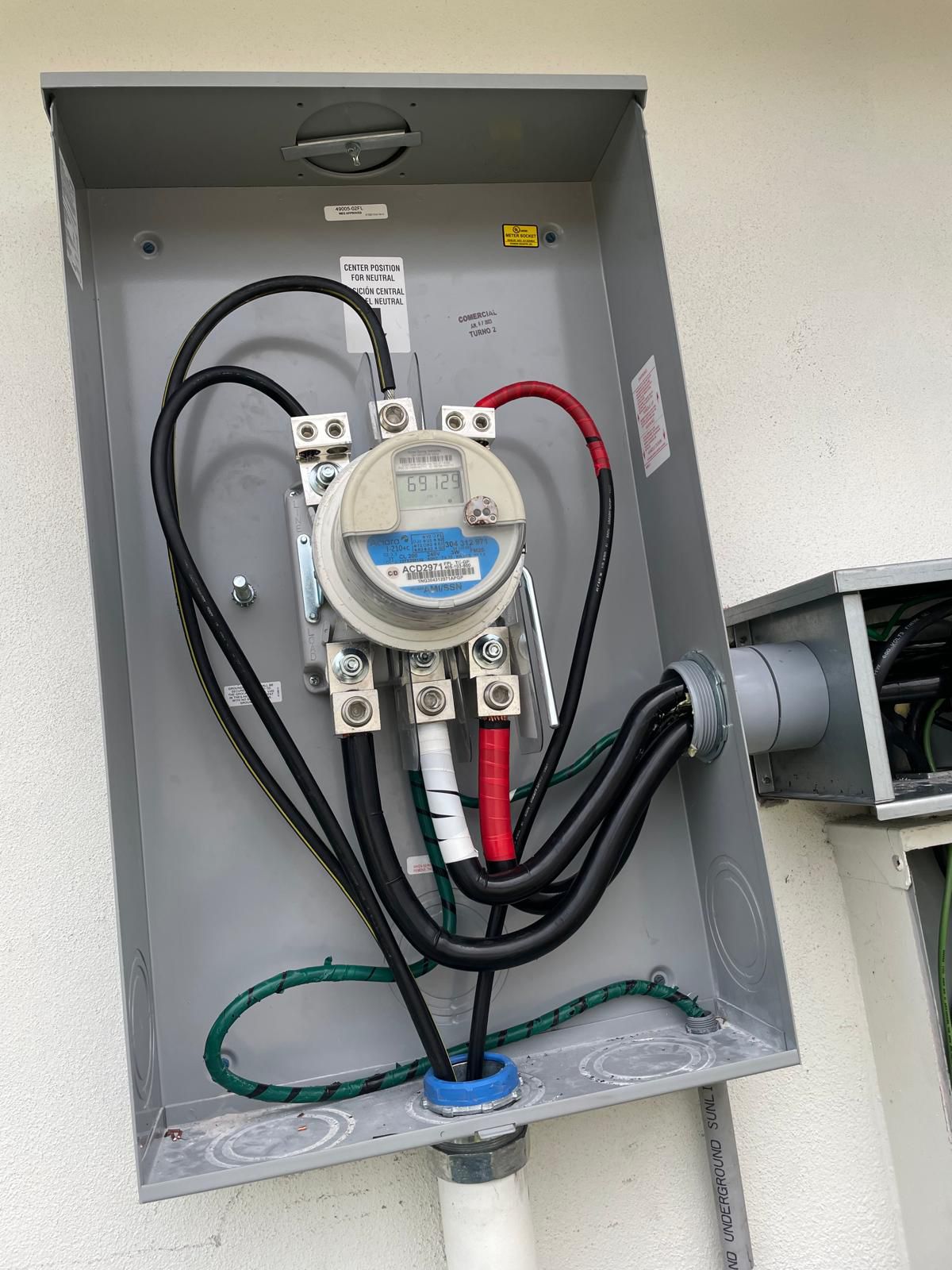
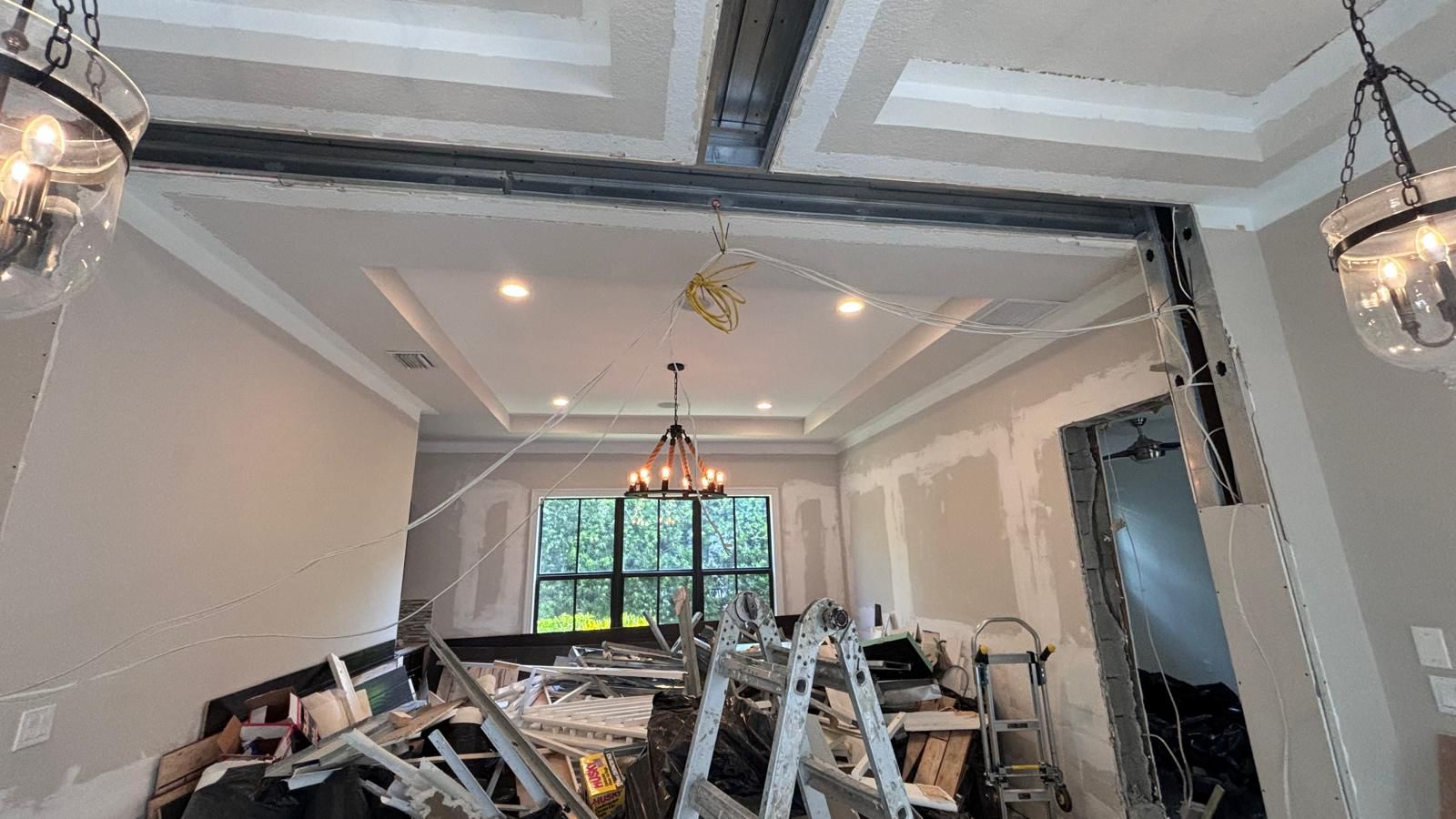
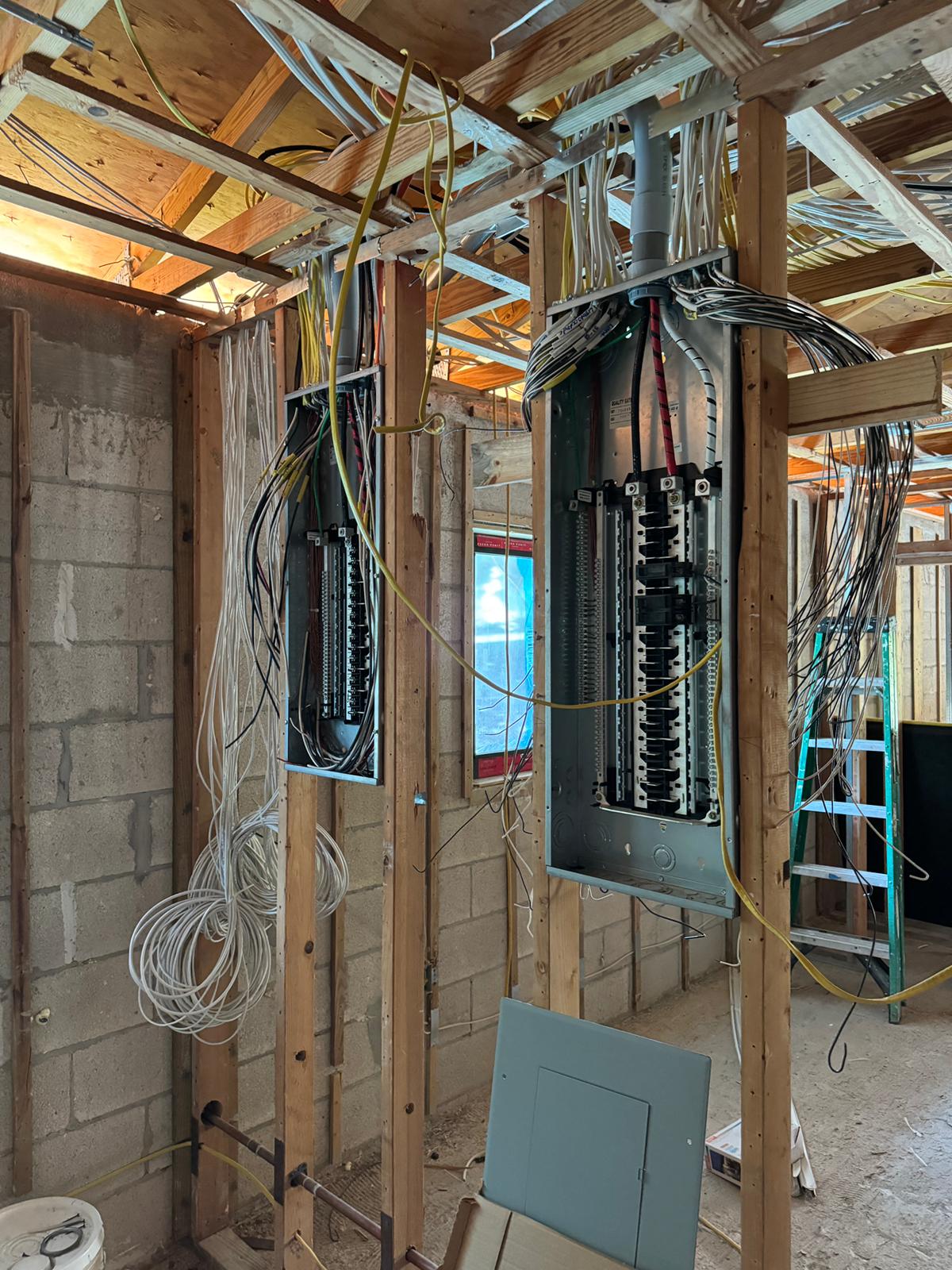
Every ceiling fan installation we complete is mounted, wired, and finished to the same standard, whether it is a single bedroom fan or a whole-home project. Browse through some of our recent work below and see the quality Chanay Electric brings to homes throughout Fort Lauderdale, Miami, West Palm Beach, and the surrounding areas.
Why You Should Leave Ceiling Fan Installation to a Licensed Electrician
Ceiling fans are heavier and more electrically complex than most homeowners expect. A standard fan can weigh between 15 and 50 pounds, and that weight is in constant motion every time the fan runs. If the junction box is not rated for that load, or the wiring is not properly connected, the result can be a fan that wobbles, overheats, or comes down from the ceiling entirely.
Florida law also requires that certain electrical work be performed by a licensed electrician, and ceiling fan installation that involves new wiring or junction box replacement falls into that category. Hiring a licensed pro protects you from liability, keeps your homeowner’s insurance valid, and ensures the work is done to code. Chanay Electric’s electricians handle ceiling fan installations of all types throughout South Florida, and we stand behind every job we complete.
What South Florida Customers Say About Chanay Electric
New Wiring vs. Existing Wiring: What You Need to Know
Many homeowners ask whether they can install a ceiling fan where only a standard light fixture exists, or in a room with no overhead wiring at all. The answer to both is yes, but the work involved varies.
Replacing a light fixture with a ceiling fan: If a light fixture is already there, the wiring may be compatible, but the junction box must be rated for a fan’s weight, typically 35 to 70 pounds. Standard light fixture boxes are not. Our electricians will replace the box and assess whether a dedicated neutral wire is available for the fan’s light kit.
Installing a fan in a room with no existing overhead wiring: This requires running new wiring from your electrical panel or an existing circuit. The scope of work depends on your home’s construction and attic access. We provide a clear estimate before any work begins.
Older homes: Many South Florida homes built before the 1990s have aluminum wiring or panels that need evaluation before adding a new circuit load. We inspect and advise at every step.
Ceiling Fan Installation: What to Expect from Chanay Electric
Here is how a typical ceiling fan installation works when you call Chanay Electric:
On-site assessment
of your junction box, wiring, and ceiling structure. We walk you through anything that needs attention before work begins.
Installation
including mounting, wiring, and a full operational test of all fan speeds, light settings, and controls.
Cleanup
and a walkthrough so you understand how to use your new fan. We leave your space exactly the way we found it.
Frequently Asked Questions About Ceiling Fan Installation
In most cases, replacing an existing ceiling fan does not require a permit. Installing a new fan where no wiring exists is considered new electrical work and may require a permit depending on your municipality. Chanay Electric handles permitting when required.
Yes, in most cases. However, the existing junction box must be replaced with one rated for ceiling fan weight. Our electricians assess and upgrade the box as part of the installation.
The physical mounting of a ceiling fan is only one part of the job. Proper wiring, junction box rating, and load balancing on your circuit are equally important, and mistakes can result in wobbling, tripped breakers, or fire risk. A licensed electrician ensures the job is done correctly the first time.
Yes. Chanay Electric installs wet-rated and damp-rated fans on covered patios, lanais, and pool areas throughout South Florida.
Yes. Ceiling fans create a wind-chill effect that makes a room feel several degrees cooler, which allows you to raise your thermostat setting without sacrificing comfort. In a climate like South Florida’s, where air conditioning runs most of the year, that can add up to meaningful savings on your monthly electric bill. Fans use a fraction of the energy an air conditioner does, making them one of the most cost-effective upgrades a homeowner can make.
Service Areas for Ceiling Fan Installation
Serving Plantation and all of Broward County. Chanay Electric is based at 10161 SW 2nd St, Plantation, FL 33324 and provides ceiling fan installation throughout Broward County, including Plantation, Fort Lauderdale, Davie, Weston, Sunrise, Cooper City, Pembroke Pines, Hollywood, Lauderhill, Tamarac, Coral Springs and Pompano Beach. Learn more about our work as your Plantation electrician, or call (754) 799-4371 to confirm service at your address.