Quick Answer
Most electrical work in Fort Lauderdale, including new circuits, panel upgrades, service changes, and rewiring, requires a permit before work begins. Simple like-for-like fixture or outlet swaps generally do not need a permit, but anything touching your panel, wiring, or service almost always does.
A routine panel upgrade, a new circuit for a hot tub, or a whole-house rewire in Fort Lauderdale almost always needs a permit. Electrical work remains one of the most tightly regulated categories in the building code, and for good reason: faulty wiring and overloaded panels are leading causes of residential fires.
This guide exists because permitting is often treated as a footnote, mentioned once and forgotten, when it should be central to how homeowners evaluate any electrical project. Understanding what triggers a permit, what the city and county actually require, and how a licensed contractor manages that process protects your home, your resale value, and your safety.
Why Do Electrical Permits Matter So Much in Fort Lauderdale?
Permits exist to put a second set of trained eyes on work that, if done wrong, can burn down a house or injure someone. A city inspector verifies that wiring, grounding, panel capacity, and connections meet the National Electrical Code before walls are closed up or power is restored to a system.
Fort Lauderdale’s Permitting Services division reviews electrical applications alongside structural, plumbing, and mechanical work to make sure everything in a home works together safely. Skipping this step doesn’t just risk a fine, it risks a hazard hiding behind your drywall for years.
What Electrical Work Requires a Permit in Fort Lauderdale?
The rule of thumb is broad: if the work installs, alters, repairs, removes, converts, or replaces a regulated electrical system, it needs a permit. Fort Lauderdale’s permit categories specifically include residential items such as temporary power poles, along with service changes, service repairs, and service inspections.
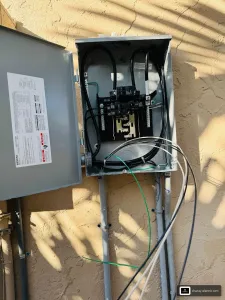
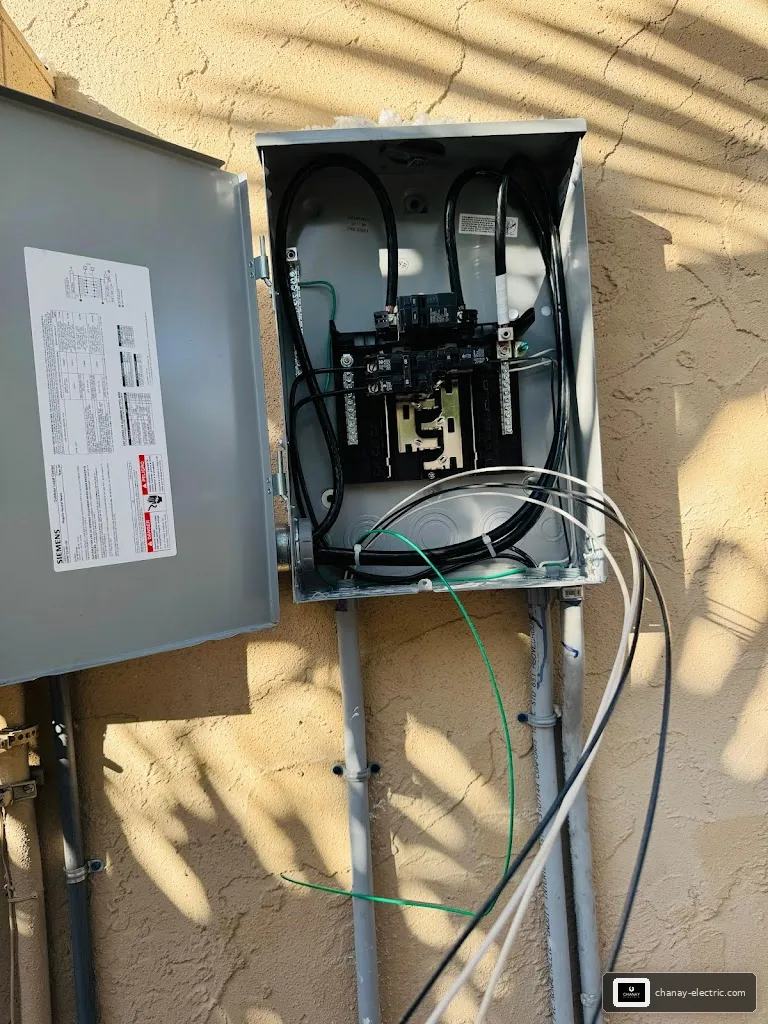
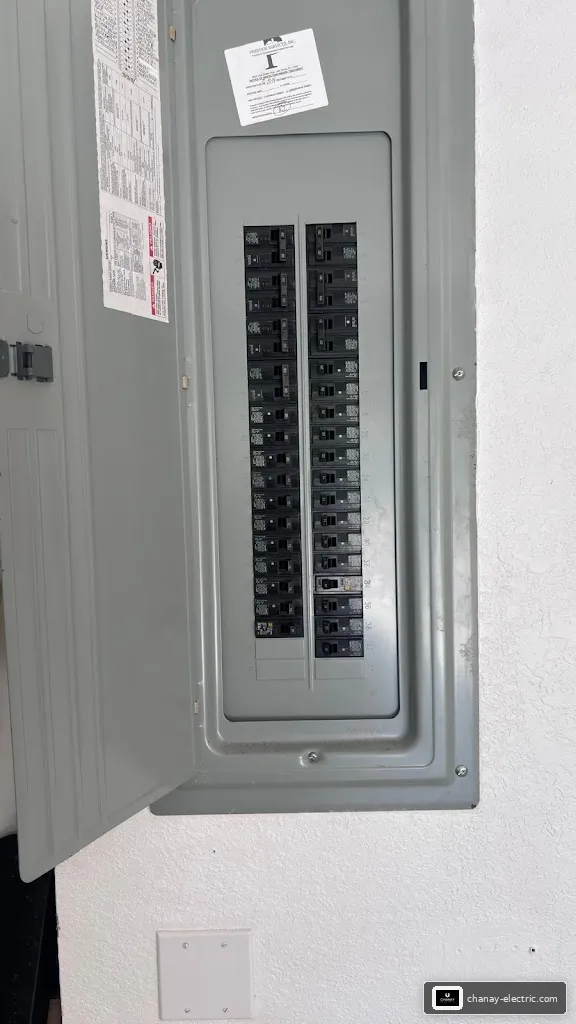
- Panel upgrades or service changes, including moving from 100-amp to 200-amp service
- New circuits for hot tubs, EV chargers, generators, or additions
- Whole-house rewiring or partial rewires after water or fire damage
- Temporary power poles for construction sites
- Service repair or service inspection work tied to utility reconnection
By contrast, an in-kind replacement, such as swapping one light fixture for another identical style or replacing a worn outlet with a matching one, is generally treated as routine maintenance that doesn’t trigger a permit. If you’re planning something like an EV charger, our guide on EV charger installation in Fort Lauderdale walks through exactly how that permitting process works. Homeowners weighing a panel upgrade should also review what a panel upgrade actually costs in Broward County before applying.
Do Recent Permit Exemptions Apply to Electrical Work?
Florida has passed laws in recent years that exempt some minor single-family work from permits, and cities apply those rules in their own way. Electrical work that touches the panel, the service, or the wiring is generally not covered by those exemptions. Before you assume a job is exempt, confirm with the City of Fort Lauderdale Permitting Services or let your licensed electrician check for you.
Florida currently enforces the 2020 National Electrical Code through the Florida Building Code, 8th Edition (2023). Your electrician will design and install the work to the edition in force when the permit is issued, and will keep up with changes when Florida adopts a new edition.
What Documents Do You Need to Apply?
Both the City of Fort Lauderdale and Broward County have specific paperwork expectations, and missing even one document is the most common reason permit applications get delayed. A well-prepared contractor assembles this package before ever filing.
- Completed electrical permit application with a clear description of the work, such as “add 3 circuits” or “upgrade panel to 200A”
- Electrician license number and current insurance documentation
- Electrical diagram for panel upgrades or more complex projects
- Load calculation for any service upgrade
- Plan sets with a riser diagram and load calculations, when the scope requires them
- Proof of Workers’ Compensation insurance at the time of application
- A Notice of Commencement when the job is valued at more than $5,000 (more than $15,000 for A/C repair or replacement), recorded before the first inspection
- Owner-builder affidavit, if the homeowner is pulling the permit personally rather than the contractor
Plan sets and calculations aren’t optional extras on larger jobs. Reviewers check them line by line. If you’re unsure whether your project qualifies as a smaller or larger scope job, our residential electrical safety inspection checklist is a useful starting point for identifying what condition your existing system is in.
What Do Permits Cost, and How Long Do They Take?
Permit fees in Fort Lauderdale depend on the scope of the project, and the city publishes its current fee schedule. A licensed contractor includes the permit fee in the written quote, so you are not surprised later.
Review times vary with the city’s workload and the complexity of the job. Large service upgrades that need more detailed review take longer. The cost of the electrical work itself also depends on scope, materials, panel size, and the condition of your existing wiring, so any reputable contractor will provide a written quote rather than a one-size-fits-all number.
| Project Type | Permit Typically Required? | Notice of Commencement Needed? |
|---|---|---|
| Like-for-like outlet or fixture swap | Generally no | No |
| New circuit (EV charger, hot tub, addition) | Yes | If valued over $5,000 |
| Panel upgrade or service change | Yes | If valued over $5,000 |
| Whole-house rewiring | Yes | If valued over $5,000 |
What Does a Good Contractor Do Differently?
The difference between a smooth permit experience and a stalled project usually comes down to who you hire. A licensed, insured electrician who regularly works with Fort Lauderdale’s Permitting Services division knows the exact plan format reviewers expect, including riser diagrams and load calculations, and submits complete applications the first time.
This is one of the reasons homeowners across the region look for an electrical contractor experienced with Broward County’s residential permitting process rather than someone offering the lowest bid with no license number to show for it. The same principle applies whether you’re in Fort Lauderdale proper or a neighboring city like Plantation, FL, where similar permit rules apply.
What Happens If You Skip the Permit?
Unpermitted electrical work creates real, lasting problems. If a home inspector during a sale discovers unpermitted panel work or rewiring, it can delay or derail the closing, trigger retroactive permitting requirements, and require the seller to prove the work meets code after the fact.
Insurance is the other major risk. Many homeowner policies limit or deny coverage for fire or damage claims traced to unpermitted electrical work. If you’ve noticed warning signs in your home’s electrical system already, our guide to troubleshooting common residential electrical problems can help you identify issues before they become a permitting and safety headache combined.
Key Takeaways
- Most electrical work in Fort Lauderdale, including panel upgrades, new circuits, and rewiring, requires a permit before work starts.
- Larger jobs need plan sets with a riser diagram and load calculations.
- A Notice of Commencement is required before the first inspection when the improvement is valued at more than $5,000 (more than $15,000 for A/C repair or replacement).
- Permit fees depend on the scope of work and are set by the city.
- Plan review times vary, and larger service upgrades can take longer.
- Florida currently enforces the 2020 National Electrical Code through the Florida Building Code, 8th Edition (2023).
People Also Ask
Do I need a permit to replace an outlet in Fort Lauderdale?
No, in-kind replacement of an outlet with the same type is generally treated as routine maintenance and does not require a permit. However, if you’re upgrading to a different amperage or adding a new circuit, a permit is required.
Do permit exemptions apply to electrical work?
Generally no. Exemptions for minor single-family work do not usually cover electrical work that touches the panel, service, or wiring. Confirm with the city or your electrician before starting.
How long does it take to get an electrical permit in Fort Lauderdale?
Review times vary with the city’s workload and the complexity of the project. Jobs that need detailed load calculations may take longer.
What is a Notice of Commencement and when is it required?
A Notice of Commencement is a document recorded with the county that gives public notice that work is starting on your property, which matters under Florida’s construction lien law. A Notice of Commencement is required before the first inspection when the improvement is valued at more than $5,000 (more than $15,000 for A/C repair or replacement).
Frequently Asked Questions
What electrical jobs require a permit in Fort Lauderdale?+
Panel upgrades, service changes, new circuits, whole-house rewiring, and temporary power poles all require permits. Simple like-for-like fixture or outlet replacement typically does not.
How much does an electrical permit cost in Fort Lauderdale?+
Permit fees depend on the scope of work and are set by the city. Your electrician should include the fee in the written quote.
Can I pull my own electrical permit as a homeowner?+
In some cases, yes, using an owner-builder affidavit, but you take on full responsibility for code compliance and inspections. Most homeowners prefer a licensed electrician to handle the permitting process directly.
What documents does Broward County require for electrical permits?+
For larger jobs, reviewers typically expect plan sets with a riser diagram and load calculations, proof of workers’ compensation insurance, and a Notice of Commencement when the job is valued at more than $5,000 (more than $15,000 for A/C repair or replacement).
What happens if I do electrical work without a permit?+
Unpermitted work can delay a home sale, void insurance coverage for related damage, and require costly retroactive permitting and inspection to prove the work meets code.
Which electrical code does Florida enforce?
Florida currently enforces the 2020 National Electrical Code through the Florida Building Code, 8th Edition (2023). When Florida adopts a new edition, technical requirements can change, but the permit process itself usually stays similar.
Navigating electrical permit requirements Fort Lauderdale homeowners face doesn’t have to be confusing when you work with a licensed electrician who treats permitting as part of doing the job right, not an afterthought. Whether you’re planning a panel upgrade, adding circuits, or simply want to confirm whether your project needs a permit at all, our team at Chanay Electric’s Fort Lauderdale service page can walk you through the process from application to final inspection. You can also explore our completed project gallery or learn more about our licensing and experience before reaching out. Contact Chanay Electric today or visit our contact page to get a custom quote and make sure your next electrical project is done safely, legally, and correctly the first time.
Related: How to Pass an Electrical Inspection in a Florida Home
Further reading: Outdoor Electrical Outlet Code: Your Options and Trade-Offs
Further reading: Circuit Breaker Replacement in West Palm Beach: Full Process Breakdown
Need a licensed electrician in Plantation or anywhere in Broward County? Call Chanay Electric at (754) 799-4371 or request a quote.
Further reading: Electrical Panel Size Requirements for Residential Homes in Florida: Your 2026 Hurricane Season Guide