Quick Answer
The cost of replacing knob and tube wiring depends on the size of the home, how easy it is to reach the wiring through the attic and walls, whether the panel also needs an upgrade, and how much plaster or drywall repair follows. Because every older home is different, the only reliable number is a written quote from a licensed electrician after an on-site evaluation.
If your South Florida home is one of the older ones, built before about 1950, it may still have rubber-insulated copper wire running through the attic on ceramic knobs and tubes, a system that was standard before most of today’s safety codes existed. Homeowners and buyers of older homes ask about it because the stakes are high: insurance denials, failed inspections, and in some cases, fire risk. This guide explains what drives the cost and what the replacement process involves.
What Is Knob and Tube Wiring, and Why Does It Still Matter?
Knob and tube (K&T) wiring is an early electrical distribution method used widely from roughly the 1880s through the 1940s. Individual insulated conductors run through air, supported by porcelain knobs, and pass through porcelain tubes where they cross joists or studs. There is no ground wire, and the original rubber or cloth insulation becomes brittle and cracks with age.
Knob and tube is less common in South Florida than in older northern cities, because most local homes were built after it fell out of use. It does turn up in some of the oldest homes in historic neighborhoods, and Florida’s attic heat and humidity are hard on old insulation and splices. Many older Florida homes also have other aging wiring, such as cloth-insulated or aluminum branch circuits, that deserves the same attention. For background on what inspectors look for, see this breakdown of electrical code violations found during home inspections.
Why Should Florida Homeowners Replace Knob and Tube Wiring?
The core issue is that K&T was never designed for the electrical load of a modern home. It has no ground conductor, it’s often buried under modern insulation (a major fire hazard since the wires can’t dissipate heat), and decades of amateur splices and tie-ins are common in older houses. The National Fire Protection Association and most insurers treat active K&T circuits as a significant risk factor, not a cosmetic concern.
Many insurance carriers will not write a new homeowners policy on a house with active K&T, and others require a licensed electrician’s evaluation before binding coverage. Wiring age is one of the main things insurers screen for on older homes, along with roof age and plumbing.
What Does Knob and Tube Replacement Cost?
There is no honest single number for a knob and tube replacement. A small, single-story home with an open attic is a very different job from a large plaster-walled home with finished ceilings. Published national averages are a poor guide for a specific Florida home, so the right starting point is an on-site evaluation and a written, itemized quote.
Quotes can look very different because some contractors quote only the wiring labor, while others bundle demolition, wall access, panel replacement, permits, inspections, and finish repairs into one number. When comparing estimates, always ask exactly what’s included.
What Drives the Cost Up or Down?
Several variables combine to produce the final number on your quote. Understanding each one helps you evaluate whether a bid is reasonable for your home’s specific conditions.
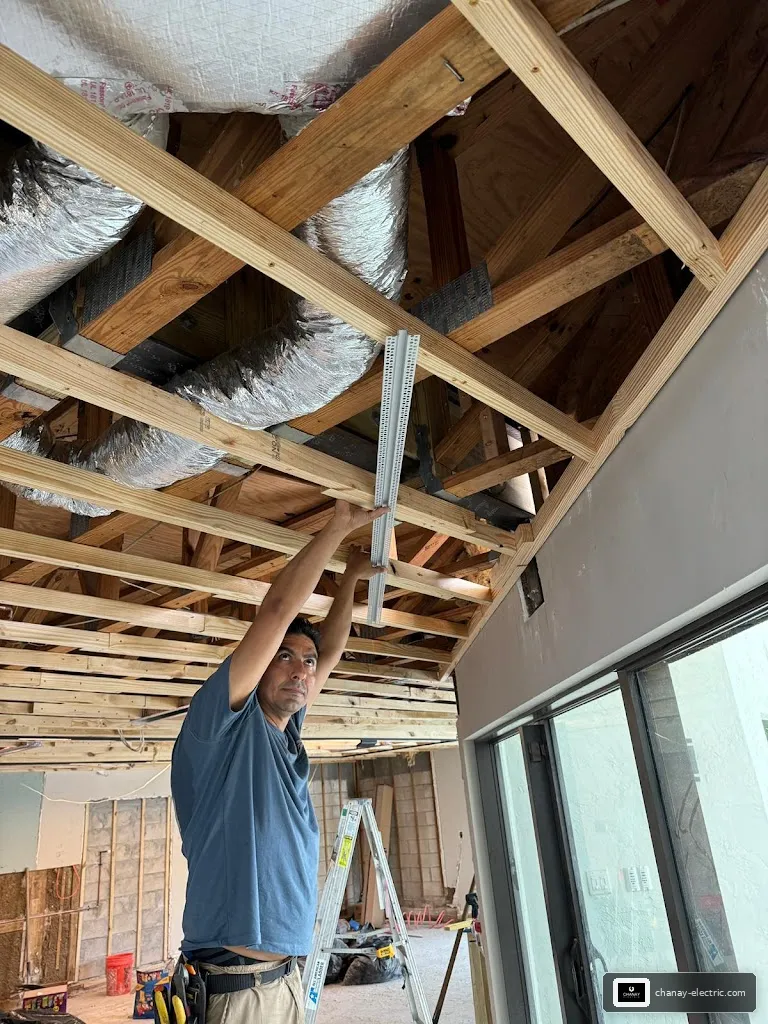
Accessibility is often the single biggest factor. An open attic reduces labor significantly. Finished plaster walls, masonry construction, blown-in insulation, multiple stories, and tightly enclosed ceiling cavities, common in older Florida bungalows and Mediterranean Revival homes, increase labor time. In retrofit work, wall and ceiling access often matters more to the final price than the materials themselves.
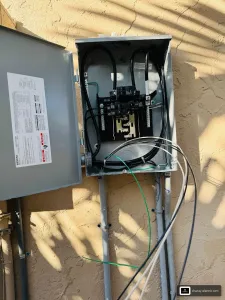
Service capacity is another major cost driver. Many K&T-era homes still run on original 60-amp or 100-amp panels that can’t support modern air conditioning, electric ranges, or EV charging. If you’re also facing a panel replacement, our guide to electrical panel upgrade costs in Broward County covers that process in detail, and homeowners dealing with failing breakers mid-project may also want to review how circuit breaker replacement works in West Palm Beach.
How Does the Replacement Process Actually Work?
A complete, code-compliant rewire is a structured project, not a single afternoon repair. A properly scoped replacement typically includes:
- Removing or safely abandoning accessible K&T conductors
- Installing modern grounded branch circuits throughout the home
- Adding proper grounding and bonding at the panel and devices
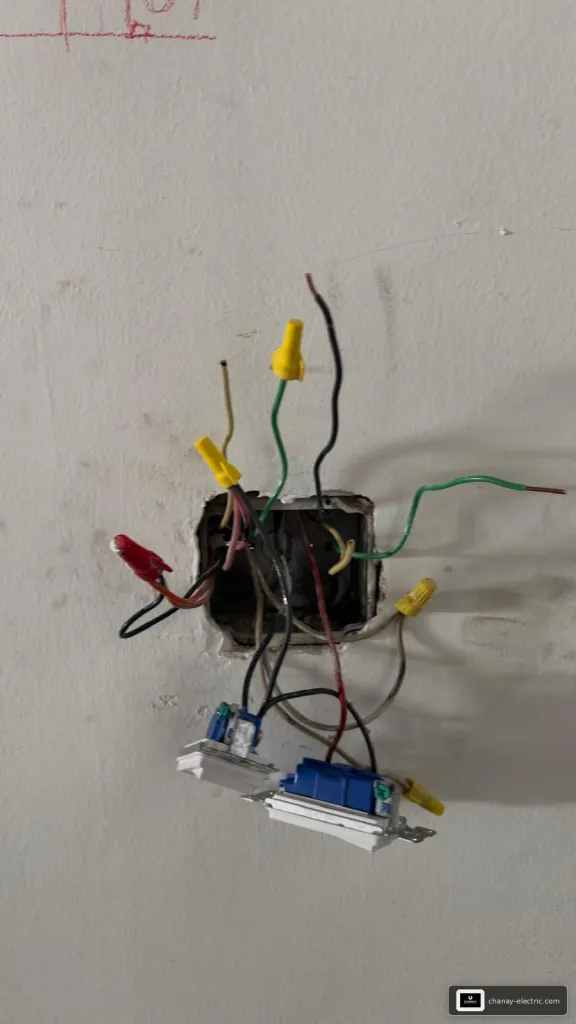
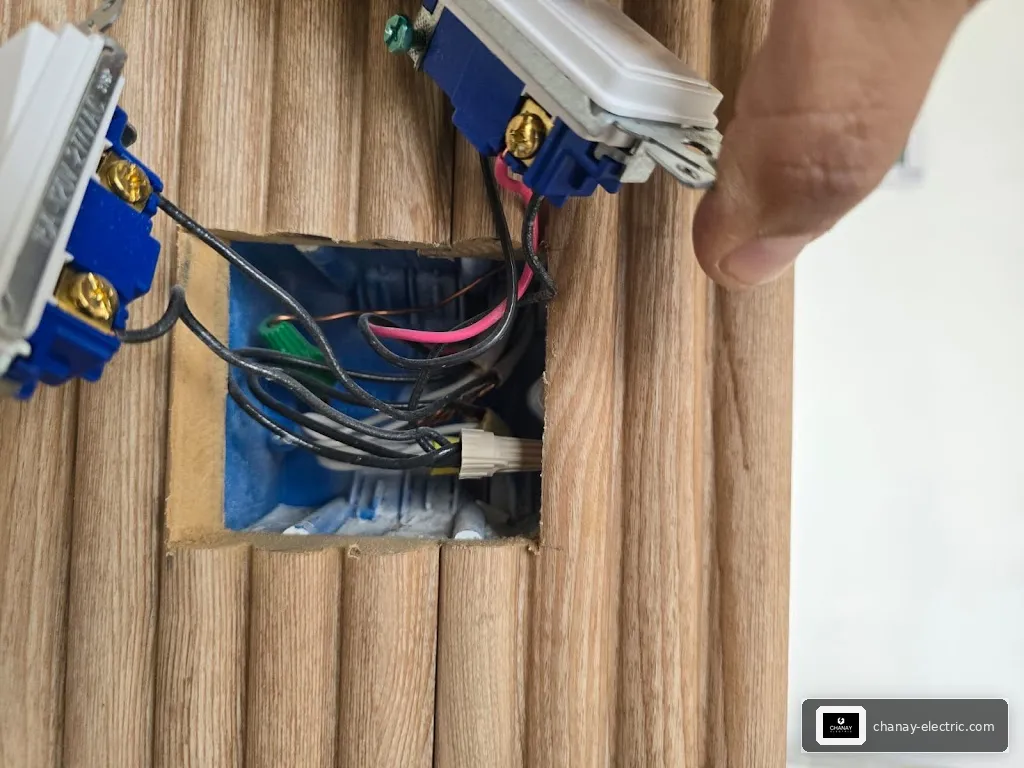
- Replacing outdated receptacles, switches, and junction boxes
- Separating overloaded circuits to match modern load demands
- Running dedicated circuits for major appliances
- Installing code-required GFCI and AFCI protection
- Labeling the panel accurately and testing every circuit
Some homeowners ask about partial repairs instead of a full rewire. A partial approach can cost far less upfront, but it may not satisfy an insurer, a buyer’s lender, or a local building authority, which often want documentation that the entire system meets current code. If you’re preparing for an inspection as part of a sale or refinance, our guide on how to pass an electrical inspection in a Florida home explains what inspectors specifically check for.
Permitting is non-negotiable on this type of work. Every municipality in South Florida requires permits and inspections for whole-house rewiring, and skipping that step can jeopardize insurance claims later. See our overview of electrical permit requirements in Fort Lauderdale for a sense of the documentation involved.
How Does Knob and Tube Wiring Affect Insurance and Home Sales?
This is often the moment homeowners discover they have K&T at all: during a home sale, refinance, or insurance renewal. Many carriers require a four-point inspection on older Florida homes, and active knob and tube wiring is one of the most common reasons for denial or non-renewal. Buyers under contract often discover the issue through a standard home inspection, which can delay or derail closing if the wiring isn’t addressed quickly.
Lenders may also require proof of a completed, permitted rewire before funding a mortgage on a property with known K&T. This is why many real estate transactions in older Florida neighborhoods now include a rewire estimate as a standard negotiating point between buyer and seller.
How Do You Choose the Right Electrician for This Job?
A whole-house rewire is one of the largest electrical projects a residential contractor undertakes, so experience with older Florida construction matters. Ask any contractor you’re vetting how they handle plaster wall access, whether they coordinate directly with your local permitting office, and whether their quote includes finish repair or just the raw electrical work. Getting two or three itemized quotes before committing is a good idea, because scope definitions vary so much between contractors.
You’ll also want a contractor comfortable walking you through your home’s existing problems. Our residential electrical safety inspection checklist covers the 12 points most commonly flagged in older homes, and our guide to troubleshooting common residential electrical problems is a useful resource if you’re noticing warning signs like flickering lights or warm outlet covers before committing to a full rewire.
Key Takeaways
- Knob and tube replacement cost depends on home size, wall and attic access, panel needs, and finish repairs, so get a written quote.
- Accessibility, not just square footage, is the biggest driver of labor cost, especially in plaster-walled Florida homes.
- A full rewire includes grounding, GFCI/AFCI protection, circuit separation, and panel evaluation, not just swapping wire.
- Many insurers will not write or renew policies on homes with active K&T wiring without a licensed electrician’s certification.
- Partial repairs cost less but may not satisfy lenders, insurers, or local permitting authorities.
- Permits and inspections are required for this scope of work in every South Florida municipality.
- Get multiple itemized quotes, since published estimates vary based on what’s included (demolition, panel, finish repair, permits).
People Also Ask
How much does it cost to remove knob and tube wiring?
It depends on the size of the home, wall and attic access, whether the panel needs work, and how much wall repair follows. A licensed electrician can give you a written, itemized quote after an on-site evaluation.
What is the process of rewiring a home with knob and tube?
The process involves removing or safely abandoning the old wiring, running new grounded circuits, upgrading the panel if needed, and passing the required inspections before walls are closed. The cost depends on the home, so ask for a written quote.
I’m under contract on a house and the electrical inspection found knob and tube wiring. What now?
Get a licensed electrician to provide a written estimate for full replacement, then use that figure to negotiate repair credits or a price adjustment with the seller. Many lenders and insurers require the rewire to be completed, or at least scheduled and permitted, before closing or binding a policy.
Can you leave some knob and tube wiring in place?
Inactive, properly abandoned K&T left in inaccessible walls is sometimes acceptable to code officials and insurers, but any wiring still carrying current typically must be replaced or certified safe. Most insurers and lenders want documentation that no active K&T remains in the home.
Frequently Asked Questions
Is knob and tube wiring illegal in Florida?+
Existing knob and tube wiring isn’t automatically illegal, but it must meet current code requirements if modified, extended, or inspected for insurance or sale purposes. Most Florida building departments won’t permit new K&T installations or extensions under any circumstances.
How long does a full knob and tube rewire take?+
A full rewire often takes several days to a couple of weeks depending on home size and wall access. Plaster homes or multi-story layouts can extend the timeline further.
Will my homeowners insurance cover a house with knob and tube wiring?+
Many insurers decline new policies or renewals on homes with active K&T wiring until it’s replaced or certified safe by a licensed electrician. Some carriers offer conditional coverage with a required rewire timeline written into the policy.
Does a panel upgrade come with knob and tube replacement, or is it separate?+
Panel upgrades are often needed alongside a K&T rewire but are sometimes quoted separately. Always confirm whether a quote already includes panel work so you’re not comparing incomplete estimates.
What happens to my walls and ceilings during a rewire?+
Electricians typically cut small access openings in drywall or plaster to route new cable, then patch them afterward. Ask whether wall repair is included in the quote, since the number of openings drives that cost.
Can I just replace outlets and switches instead of the whole system?+
Related: Electrical Rewiring Older Homes in Florida: The Complete Overview
Replacing individual devices without replacing the underlying K&T conductors addresses cosmetics, not the underlying risk, and usually won’t satisfy insurers or inspectors. A licensed electrician can assess whether a targeted repair or full rewire is appropriate for your home’s condition.
Knob and tube wiring doesn’t announce itself until an inspection, an insurance renewal, or a tripped breaker forces the issue, and by then homeowners are often working against a deadline. If your older Florida home still has original wiring, or you’re unsure, schedule an on-site evaluation with Chanay Electric to get an itemized, accurate quote. Chanay Electric handles rewiring projects across South Florida, and you can review examples of completed work on our projects page or learn more about us on the About Chanay Electric page. For homeowners just starting to research their options, Chanay Electric is ready to walk you through the process, the costs, and what your home specifically needs.
Need a licensed electrician in Plantation or anywhere in Broward County? Call Chanay Electric at (754) 799-4371 or request a quote.