
Quick Answer
EV charger installation in Fort Lauderdale typically involves a licensed electrician checking your panel capacity, installing a dedicated 240-volt circuit, and mounting a weather-rated Level 2 charger. The price depends on panel condition, wire run length and permitting. Public chargers are useful backups, but most EV owners rely on home charging every day, which makes a correctly sized, code-compliant installation the most important part of owning an EV.
Fort Lauderdale drivers have more public charging options every year, yet most daily EV charging still happens at home, overnight, on a dedicated circuit. Public charging is a useful supplement, not a replacement for a good home setup.
This guide covers what a professional installation involves, and why panel capacity, permitting and weather-rated equipment matter so much in South Florida.
How Common Is EV Charging in Fort Lauderdale?
Fort Lauderdale and the rest of Broward County have a growing network of public charging stations, and the number keeps rising. You can see current station locations on the U.S. Department of Energy Alternative Fuels Data Center.
If you live in or near Fort Lauderdale, public charging is easy to find for road trips and emergencies. Day-to-day charging is still best done at home.
Why Does Home Charging Still Matter With So Many Public Stations Nearby?
Public charging density is great for road trips and emergencies, but it isn’t designed for daily habit. Most EV owners want to plug in at night and leave with a full battery every morning, which is exactly what a Level 2 home charger delivers.
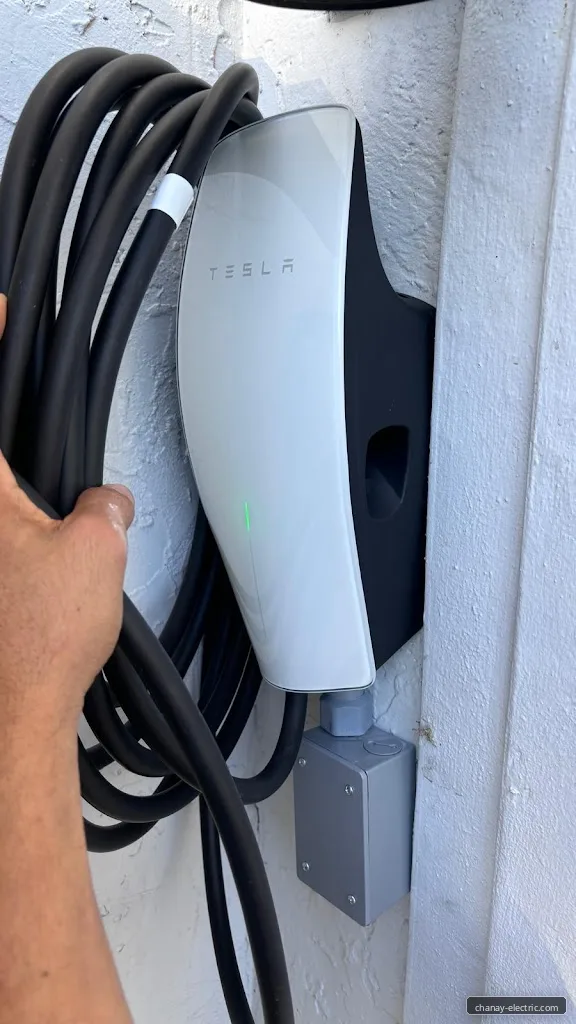
A Level 2 charger typically delivers 12 to 60 amps at 240 volts, cutting charging time from a full day on a standard outlet down to just a few hours. That difference matters even more in a market like Fort Lauderdale, where daily commuting, errands, and heat-driven battery management add up quickly.
How Does EV Charger Installation Work in Fort Lauderdale?
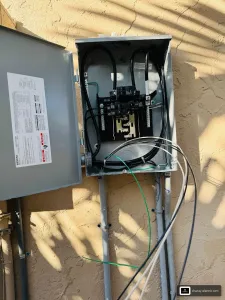
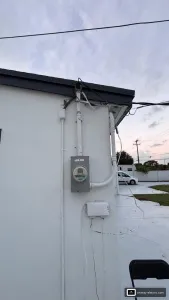
A professional installation starts with an electrical load assessment, not the charger itself. Our electricians evaluate your existing panel, available amperage, and the distance from the panel to your desired charger location before recommending equipment.
- Panel evaluation: Confirming whether your current service has enough spare capacity for a dedicated 240-volt EV circuit.
- Circuit design: Selecting wire gauge, breaker size, and conduit routing based on distance and charger amperage.
- Permit filing: Submitting plans to the appropriate Broward County or city building department before work begins.
- Installation: Mounting the charger, running the circuit, and connecting to the panel or a load management device.
- Inspection and testing: Verifying code compliance and confirming safe, full-speed charging performance.
Homeowners who’ve recently worked with our team on related upgrades, such as those covered in our guide to licensed residential electrical services in Plantation, often discover their panel needs attention before an EV charger can even be added safely.
What Factors Affect EV Charger Installation Cost?
Pricing for EV charger installation in Fort Lauderdale varies widely, ranging from a few hundred dollars for a simple circuit extension to several thousand dollars for a full panel upgrade with a premium outdoor charger.
Pricing varies based on your specific project, but the biggest cost drivers are consistent across the industry:
| Cost Driver | Impact on Installation |
|---|---|
| Panel capacity | Older or full panels may need an upgrade or load management device |
| Wire run distance | Longer runs from panel to garage or driveway increase labor and material |
| Equipment tier | Smart, app-connected chargers cost more than basic hardwired units |
| Weather rating | Coastal-grade enclosures add cost but extend equipment lifespan |
| Permitting fees | Vary by municipality within Broward County |
Because every home’s wiring, panel age, and mounting location differ, we recommend contacting us for a custom quote rather than relying on a generic price. You can review examples of completed electrical work on our recent projects page to see the range of scope we handle.
What Permits Are Required for EV Charger Installation in Broward County?
Local permitting is required for most Level 2 installations that involve a new circuit or panel work.
Permit requirements typically cover electrical work, not the charger hardware itself, and inspections confirm that wiring, grounding, and breaker sizing meet the National Electrical Code.
If you live in a community with an HOA or condo association, check the governing documents before scheduling work. Florida law gives condo owners certain rights to install EV charging, but associations can set reasonable rules.
Why Do South Florida Conditions Affect Charger Selection?
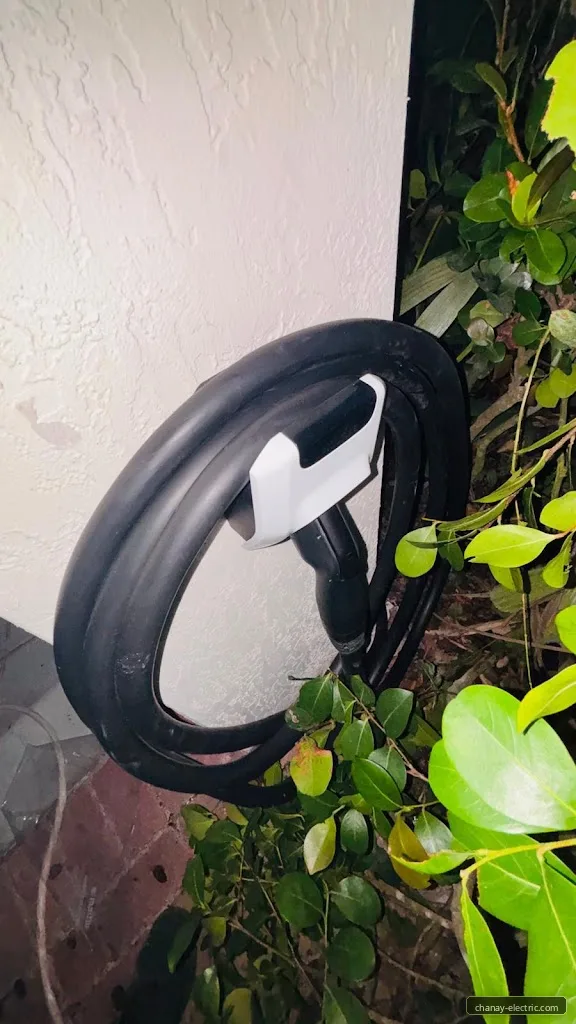
Heat, humidity, and salt air aren’t cosmetic concerns in Fort Lauderdale, they directly affect equipment longevity. Outdoor-rated hardware is essential for any charger mounted outside, and NEMA 3R is generally considered the minimum acceptable enclosure rating for exposed installations, while NEMA 4 or higher is recommended for homes closer to the coast or with direct salt spray exposure.
Beyond the enclosure rating, electricians in Broward County increasingly recommend one of three approaches when panel capacity is tight:
- Installing a dedicated 240-volt circuit if the panel has adequate spare capacity
- Upgrading the panel entirely for homes with older or undersized electrical service
- Adding a load management device that shares available amperage between the EV charger and the rest of the home
This flexible approach avoids forcing every homeowner into an expensive full panel replacement when a smarter, more targeted solution will do the job.
Key Takeaways
- Installation cost depends on panel capacity, wire run length, equipment tier, and weather rating, so pricing varies based on your specific project.
- NEMA 3R is the usual minimum enclosure rating for outdoor chargers, with NEMA 4 or higher recommended near the coast.
- Load management devices offer a flexible alternative to full panel upgrades for homes with limited spare capacity.
People Also Ask
Is home EV charging cheaper than public charging in Florida?
Home charging is generally more cost-effective and convenient because it uses residential electricity rates and happens overnight, whereas public DC fast charging typically costs more per session.
Do I need a permit to install an EV charger in Broward County?
Yes, most Level 2 EV charger installations that involve new circuits or panel work require an electrical permit and inspection under Florida building codes.
Frequently Asked Questions
How long does EV charger installation take?+
Most straightforward installations with adequate panel capacity take a single day, while projects requiring a panel upgrade or long wire runs may take longer depending on permitting and inspection scheduling.
What size electrical panel do I need for an EV charger?+
Most homes need at least a 100-amp panel with spare capacity for a Level 2 charger, though older 60 or 80-amp panels often require an upgrade or a load management device to safely support the added circuit.
Can I install an EV charger myself in Fort Lauderdale?+
New circuit work should be done by a licensed electrician under a permit. DIY wiring for an EV charger can create a fire hazard, fail inspection, and cause problems with the charger warranty or your insurance.
What NEMA rating do I need for an outdoor EV charger in Broward County?+
NEMA 3R is the commonly referenced minimum for outdoor-rated EV chargers, but NEMA 4 or higher is recommended for coastal properties exposed to salt air and heavy humidity.
Does my HOA need to approve my EV charger installation?+
Many Florida HOA and condo communities have rules about EV charger installation, so check the governing documents and notify the association before scheduling work.
How much does EV charger installation cost in Fort Lauderdale?+
Costs vary widely based on panel capacity, wire run distance, equipment quality, and permitting, so pricing is best determined through a custom on-site quote rather than a flat estimate.
Related: Electrical Permit Requirements in Fort Lauderdale: What Homeowners Should Know
Related: Outdoor Electrical Outlet Code: Your Options and Trade-Offs
Related: Circuit Breaker Replacement in West Palm Beach: Full Process Breakdown
Related: What Good Contractors Know About Smart Home Wiring in Broward County
Ready to get your home charging setup done right the first time? Chanay Electric serves homeowners throughout Fort Lauderdale and greater Broward County with licensed, code-compliant EV charger installations built for South Florida’s climate. Contact our team today for a custom quote tailored to your home’s electrical system and charging needs.
Need a licensed electrician in Plantation or anywhere in Broward County? Call Chanay Electric at (754) 799-4371 or request a quote.
Further reading: How GFCI Outlets Protect Your Bathroom and Kitchen Safely