Electricity powers nearly every aspect of modern living, from lighting and appliances to home offices and EV chargers. Yet many homeowners overlook the condition of the electrical systems hidden behind walls, ceilings, and panels. As homes age and power demands increase, electrical hazards become more common than many people realize.
A professional Electrical Safety Inspection in Plantation helps identify hidden risks before they become expensive repairs, property damage, or safety threats. In 2026, with more smart home technology, electric vehicles, and high-powered appliances entering residential properties, routine inspections have become more important than ever.
Whether you own an older home or recently purchased a property, understanding the warning signs of electrical issues can help protect your family, improve energy efficiency, and preserve your home’s value.
What is an electrical safety inspection?
An electrical safety inspection is a comprehensive evaluation of a home’s electrical system, including panels, wiring, outlets, grounding, breakers, and connected devices. The goal is to identify hazards, code violations, wear and tear, overloaded circuits, and potential fire risks before they become serious problems.
Homeowners should schedule inspections when purchasing a home, after major renovations, before installing EV chargers, or whenever warning signs such as flickering lights or breaker trips occur.
Key Takeaways
- Electrical issues often develop gradually before becoming major hazards.
- Older homes face increased risks due to aging wiring and outdated panels.
- Routine inspections can improve safety, reliability, and energy efficiency.
- Early detection typically costs less than emergency repairs.
- Modern homes with EV chargers and smart technology benefit from regular system evaluations.
Why Is Electrical Safety Inspection in Plantation More Important in 2026?
Residential electrical demand continues to rise.
Homeowners today are adding:
- Electric vehicle charging stations
- Smart security systems
- Home automation devices
- Backup generators
- High-efficiency HVAC systems
- Home office equipment
These upgrades place additional stress on electrical infrastructure that may have been installed decades ago.
Many homes throughout South Florida were built before today’s energy demands existed. Even if a system appears to function normally, hidden deficiencies may be developing behind walls or inside the electrical panel.
Industry professionals increasingly recommend preventive inspections as part of regular home maintenance planning.
What Warning Signs Suggest You Need an Electrical Safety Inspection in Plantation?
Certain symptoms should never be ignored.
Flickering or Dimming Lights
Lights that dim when appliances start operating often indicate overloaded circuits or wiring issues.
Although occasional fluctuations may be normal, repeated occurrences deserve professional evaluation.
Frequently Tripped Circuit Breakers
Circuit breakers are designed to protect your home.
If breakers trip regularly, it may indicate:
- Overloaded circuits
- Short circuits
- Ground faults
- Failing breakers
- Panel capacity limitations
Warm Outlets or Switches
Electrical outlets should never feel hot.
Warm outlets may indicate:
- Loose wiring
- Overloaded circuits
- Internal damage
- Fire hazards
Immediate inspection is recommended.
Burning Odors
A burning smell near outlets, switches, or the electrical panel should always be treated as an emergency warning sign.
Shut off power if safe to do so and contact a qualified professional immediately.
Buzzing Sounds
Electrical systems should operate quietly.
Buzzing or crackling sounds often indicate:
- Loose electrical connections
- Failing breakers
- Damaged wiring
- Overloaded circuits
Sparking Outlets
Visible sparks when plugging devices in may indicate internal outlet deterioration or wiring defects.
This issue should be addressed promptly.
How Do Older Homes Face Greater Electrical Risks?
Many homes built before modern electrical standards may contain outdated components.
Common concerns include:
| Older System Issue | Potential Risk |
|---|---|
| Aluminum wiring | Overheating connections |
| Fuse boxes | Limited protection |
| Ungrounded outlets | Shock hazards |
| Aging insulation | Fire risks |
| Insufficient panel capacity | Overloaded circuits |
| Improper modifications | Code violations |
Aging systems may continue functioning while hidden safety concerns worsen over time.
What Does a Professional Inspection Include?
A comprehensive evaluation examines the entire electrical system.
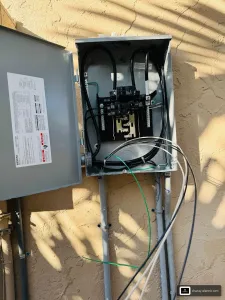
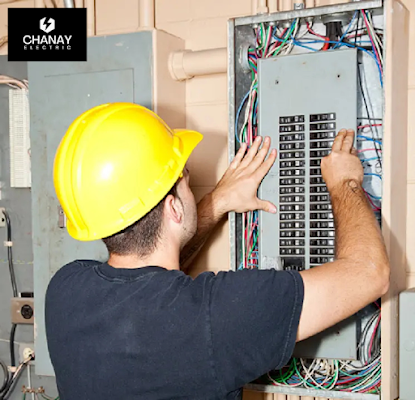
Electrical Panel Assessment
Professionals inspect:
- Breakers
- Panel condition
- Capacity
- Corrosion
- Labeling
- Safety compliance
Wiring Inspection
Technicians evaluate:
- Wire condition
- Proper connections
- Signs of deterioration
- Fire risks
- Code compliance
Outlet and Switch Testing
Inspections verify:
- Grounding
- Proper operation
- GFCI protection
- AFCI protection
- Safety functionality
Surge Protection Evaluation
Modern electronics benefit significantly from whole-home surge protection systems.
Grounding System Verification
Proper grounding reduces shock risks and protects sensitive electronics.
Tip
Homes over 20 years old should consider periodic inspections even if no visible problems exist. Many electrical issues develop internally and remain hidden until a failure occurs.
When Should Homeowners Schedule an Electrical Safety Inspection in Plantation?
Several situations make inspections especially valuable.
Before Buying a Home
A professional inspection provides valuable insight into the property’s condition and potential future expenses.
Before Major Renovations
Kitchen remodels, room additions, and home expansions often increase electrical demand.
Before Installing EV Chargers
Electric vehicle charging equipment requires adequate electrical capacity and safe installation practices.
After Severe Storms
South Florida weather can affect electrical systems through power surges, moisture intrusion, and equipment damage.
Every Few Years for Preventive Maintenance
Routine evaluations help identify concerns before they become emergencies.
Benefits of Professional Electrical Inspections
Improved Safety
The primary goal is reducing fire, shock, and electrical failure risks.
Better Energy Efficiency
Electrical inefficiencies often increase energy consumption.
Correcting issues can contribute to improved system performance.
Reduced Repair Costs
Early detection prevents minor issues from becoming major projects.
Increased Property Value
Well-maintained electrical systems improve buyer confidence during home sales.
Greater Reliability
Inspections help ensure your home’s electrical infrastructure can support modern technology and future upgrades.
Understanding Inspection Costs vs. Long-Term Value
Homeowners sometimes delay inspections because they focus only on immediate expenses.
However, electrical inspections often deliver significant value by helping prevent:
- Fire damage
- Emergency service calls
- Appliance replacement
- Electrical failures
- Insurance complications
- Code correction expenses
When viewed as a preventative investment, inspections frequently save money over time.
How Does an Inspection Compare to Waiting Until Something Fails?
| Preventive Inspection | Reactive Repairs |
|---|---|
| Lower risk | Higher risk |
| Planned scheduling | Emergency response |
| Lower overall costs | Potentially expensive repairs |
| Improved safety | Increased hazards |
| Better budgeting | Unexpected expenses |
| Code compliance verification | Possible violations discovered later |
Preventive maintenance generally provides better outcomes for homeowners.
Common Mistakes Homeowners Make
1. Ignoring Minor Warning Signs
Small issues often become larger problems over time.
2. Assuming Newer Homes Are Risk-Free
Even newer properties can develop electrical issues due to installation errors or changing electrical demands.
3. Overloading Power Strips
Using multiple extension cords and overloaded power strips can create dangerous conditions.
4. Delaying Repairs
Postponing necessary corrections often increases repair costs.
5. Hiring Unqualified Contractors
Electrical work requires specialized expertise and knowledge of current code requirements.
6. Skipping Post-Renovation Evaluations
Renovation projects can introduce new electrical concerns if systems are not properly assessed afterward.
Tip
If you have recently searched for an Electrical Safety Inspection Near me, look for professionals who perform comprehensive system evaluations rather than quick visual checks. Thorough inspections provide significantly more valuable information.
How Do 2025–2026 Electrical Trends Affect Homeowners?
Several industry trends are increasing the importance of inspections.
Growth of EV Charging
Home charging stations require substantial electrical capacity and proper installation.
Smart Home Integration
Connected devices continue increasing household electrical demand.
Increased Energy Efficiency Standards
Modern homes are focusing more heavily on energy management and system optimization.
Enhanced Safety Technologies
New AFCI and GFCI protection standards continue improving residential safety.
Whole-Home Surge Protection
More homeowners are installing surge protection systems to safeguard valuable electronics.
Choosing the Right Electrical Professional
Selecting the right contractor is critical.
Look for:
- Proper licensing
- Industry experience
- Local knowledge
- Strong customer reviews
- Transparent recommendations
- Clear communication
- Understanding of current codes and standards
If you’re evaluating options for your property, consulting with a qualified professional can help you make a more informed decision.
Tip
When requesting an Electrical Safety Inspection Service, ask whether the evaluation includes panel capacity analysis, grounding verification, GFCI testing, surge protection review, and code compliance checks.
Homeowner Action Checklist
Before scheduling an inspection:
Note any flickering lights
Document recurring breaker trips
Check for warm outlets
Identify recent electrical upgrades
List future projects such as EV chargers
Gather previous inspection records
Discuss energy efficiency goals
Ask about maintenance recommendations
About Chanay Electric
Chanay Electric provides residential and commercial electrical solutions with a strong focus on safety, reliability, and customer satisfaction. Serving Plantation and surrounding South Florida communities, the company offers electrical inspections, panel upgrades, EV charger installations, troubleshooting, wiring services, surge protection solutions, and energy-efficient electrical improvements. Their customer-focused approach emphasizes transparent communication, quality workmanship, and long-term system performance. By staying current with evolving electrical standards and industry best practices, they help homeowners make informed decisions that support safety, functionality, and future electrical needs.
Why Homeowners Trust Professional Inspections
A properly maintained electrical system protects more than appliances and electronics.
It helps safeguard:
- Families
- Homes
- Property investments
- Energy efficiency goals
- Future renovation plans
As electrical demands continue increasing throughout 2026, preventive inspections remain one of the smartest maintenance decisions homeowners can make.
Many Plantation residents choose Chanay Electric when seeking trusted guidance regarding electrical safety, system performance, and long-term reliability.
Conclusion
Scheduling a Electrical Safety Inspection in Plantation is one of the most effective ways to identify hidden hazards, improve energy efficiency, and ensure your home’s electrical system can support modern technology safely. Whether you notice warning signs or simply want peace of mind, proactive inspections provide valuable information that helps protect your property and family while reducing the likelihood of unexpected electrical problems.
Call (754) 799-4371 today or fill out the contact form on your website to schedule your consultation and discuss your project goals.
Frequently Asked Questions
1. How much does an electrical safety inspection cost?
Costs vary depending on home size, system complexity, and inspection scope. Comprehensive inspections generally provide greater long-term value because they identify hidden issues before they become costly repairs.
2. How long does an inspection typically take?
Most residential inspections take between one and three hours, depending on property size, accessibility, and the condition of the electrical system.
3. How often should electrical systems be inspected?
Many professionals recommend inspections every few years, after major renovations, before installing EV chargers, and whenever warning signs appear.
4. Are permits required for electrical inspections?
Basic inspections generally do not require permits. However, corrective work, panel upgrades, or major electrical modifications may require permitting and code compliance reviews.
5. How do I choose the right electrical contractor?
Look for licensed professionals with relevant experience, strong reviews, transparent communication, knowledge of current codes, and a commitment to safety-focused recommendations.