Quick Answer
Florida does not mandate one fixed electrical panel size for residential homes. The required service rating, whether 100A, 150A, 200A, or higher, must be determined by a dwelling load calculation performed under the Florida Building Code, 8th Edition (2023) and NEC 2020, factoring in air conditioning, appliances, pool equipment, and EV chargers. Most modern Florida homes land at 150A or 200A, but hurricane-season demands from AC units, generators, and storm prep equipment often push older 100A panels past their safe limits.
Why Hurricane Season Pushes Florida Panels to Their Limits
October still counts as hurricane season in Florida, with the official window running through November 30. That means homeowners across Fort Lauderdale, Plantation, and West Palm Beach are still running central air conditioning at full tilt while also keeping storm-prep equipment, generators, sump pumps, and battery backups ready to plug in at a moment’s notice. This is exactly when an undersized electrical panel gets exposed.
A panel that handled daily life comfortably in March can trip repeatedly in late-season heat once you add a portable generator transfer switch, extra box fans, and a refrigerator running overtime to preserve food during an outage. Understanding electrical panel size requirements for residential homes in Florida isn’t just a code compliance exercise, it’s the foundation that determines whether your home can safely absorb this seasonal spike in demand.
This guide breaks down what Florida code actually requires, how panel sizing is calculated, and why so many homes discover their true capacity gap only after a storm knocks out power and forces a generator hookup. If you’re also dealing with older wiring, our guide to rewiring older Florida homes covers the companion issue many panel upgrades run into.
What Is the Current Florida Electrical Code Framework?
Florida does not prescribe one universal residential panel size. Instead, the required service rating is established through a dwelling load calculation performed under the Florida Building Code, Residential, 8th Edition (2023), which took effect December 31, 2023, and remains the applicable statewide baseline into 2026.[1] The electrical standard referenced throughout is NEC/NFPA 70, 2020 edition.[1]
The 8th Edition is based largely on the 2021 International Residential Code, and according to Florida Building Commission education materials, this code cycle is identified as effective through December 30, 2026, meaning a new cycle is already on the horizon. Local jurisdictions layer on their own amendments too. Palm Beach County, for example, publishes its own adjustments in the Palm Beach County amendments to the 8th Edition, which homeowners and contractors in that county must follow alongside the state code.
Municipalities handle permitting review differently as well. Miami’s building department, for instance, maintains its own list of applicable state and local codes for building services, which is worth checking before you finalize a panel replacement plan. Plan-check submissions commonly require the service-panel location, total ampere rating, main service overcurrent device, and load information to be clearly shown on the electrical plans before a permit is issued.
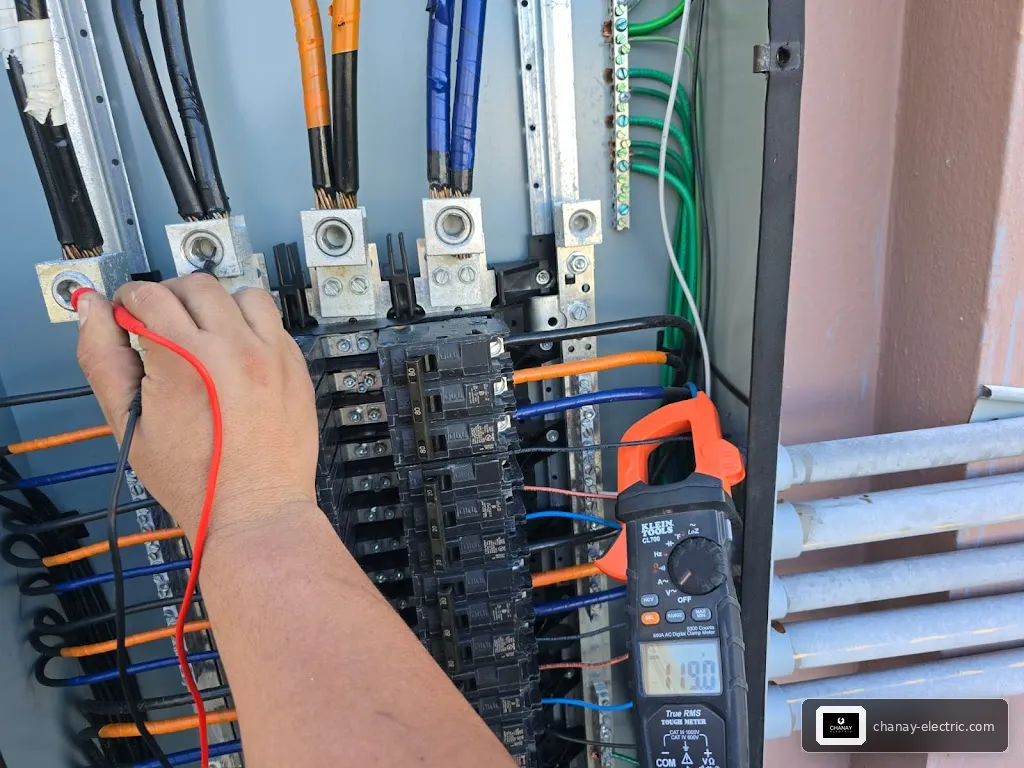
What Panel Sizes Are Typical in Florida Homes?
While no single size is mandatory, certain ratings show up far more often than others depending on home age, size, and electrical load. Here’s how the common options compare:
| Service Size | Typical Application | General Suitability |
|---|---|---|
| 100A, 120/240V single-phase | Older or small homes with gas appliances | Often inadequate for modern all-electric homes |
| 125A | Smaller homes or like-for-like replacements | Less common than 150A or 200A |
| 150A | Medium-size homes, moderate electric loads | May be adequate after a full load calculation |
| 200A | Common modern residential service | Frequently selected for new construction and major renovations |
| 225A | Larger homes, substantial electric equipment | Requires appropriate equipment and utility approval |
| 320/400A | Large homes, EV charging, solar systems | Often requires specialized engineering and utility coordination |
A 200-amp panel is common in Florida, but it is not automatically required. A 100-amp service can still be legal if the calculated demand fits within that rating and everything is installed to code. On the flip side, a 200-amp panel can be insufficient once you factor in pool pumps, a tankless water heater, and an EV charger all competing for capacity during the same storm season. The Florida Residential Code 2023 reference on UpCodes is a useful tool for homeowners who want to review the exact provisions electricians are working from.
How Is the Required Panel Size Calculated?
A qualified electrician does not size your panel by simply adding up the amperage of every breaker in the box. Instead, they perform a dwelling load calculation that accounts for diversity, meaning not every circuit draws its maximum current simultaneously. Per NEC methodology, this calculation generally factors in:
- Floor area and the required general lighting and receptacle load
- Small-appliance and laundry circuits
- Range, cooktop, and oven demand
- Electric water heater
- Air conditioning and heat pump equipment, a major factor in Florida’s climate
- Electric resistance heat, where applicable
- Pool or spa equipment
- Well pump, if the home isn’t on municipal water
- Electric vehicle supply equipment
- Garage or workshop loads
- Solar photovoltaic systems and associated backfeed considerations
Putnam County’s own guidance document on residential electric service requirements illustrates how counties translate these NEC calculation principles into local permitting checklists. This is also why two homes of identical square footage can legitimately require different panel sizes: one has a gas range and window units, the other has central AC, a pool heater, and a home EV charger.
Industry resources echo this point. A broader look at 200-amp panel upgrade considerations specific to Florida homes notes that service upgrades frequently get triggered by additions like pool equipment or EV chargers rather than by the base home itself. If you’re budgeting for this step, our breakdown of electrical panel replacement costs in Florida walks through what drives pricing up or down.
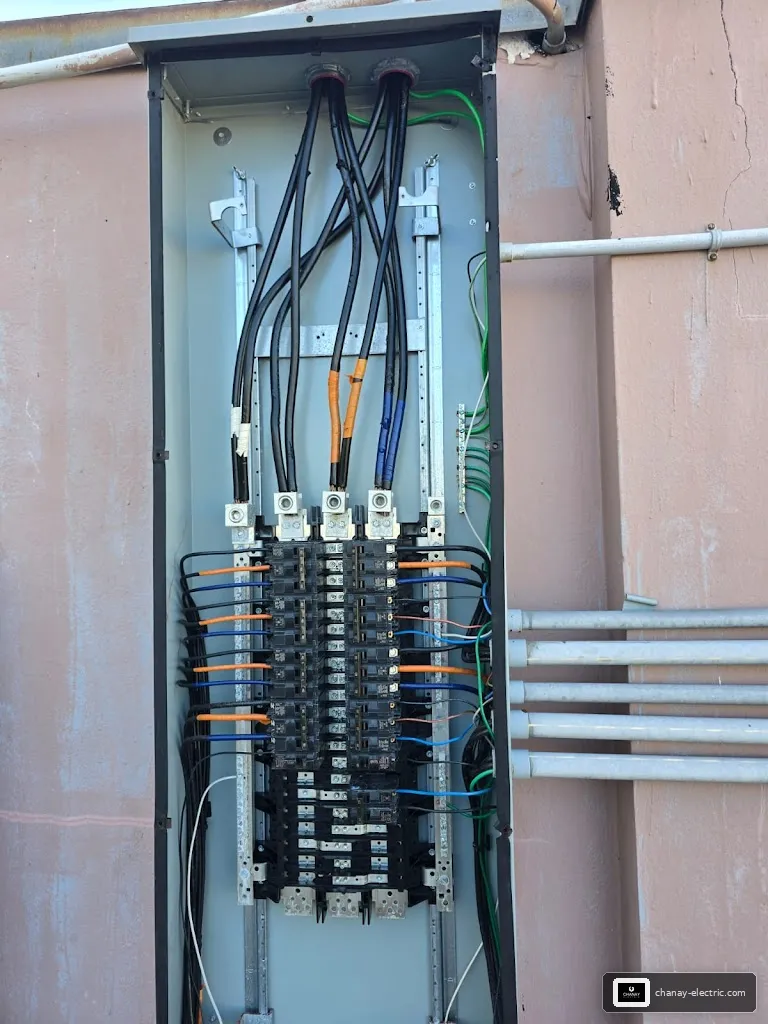
What Signs Mean Your Panel Can’t Handle Storm Season?
Hurricane season adds stress to a home’s electrical system in ways everyday living doesn’t. Here are the warning signs worth acting on before the next named storm, not after:
Likely cause: Panel at or near capacity
Action: Load calculation review
Likely cause: Pre-1990s construction
Action: Full panel replacement
Likely cause: 100A service, no spare slots
Action: Upgrade + transfer switch
Likely cause: Older additions never recalculated
Action: Code compliance review
If a home inspector or insurance adjuster has already flagged your panel, it’s worth reviewing our article on what electrical code violations in home inspections actually mean. And if you’re selling or refinancing before year’s end, our guide on how to pass an electrical inspection on a Florida home covers the panel-specific items inspectors check first. Research on panel and grid capacity trends, including findings from Lawrence Berkeley National Laboratory’s analysis of residential panel capacity nationwide, shows that demand growth from electrification (EVs, heat pumps, battery storage) is already outpacing the panel sizes installed in most existing housing stock, a trend Florida’s climate and storm season only accelerate.
Flickering lights when the AC compressor kicks on, warm breaker panels to the touch, or breakers that won’t reset at all are not cosmetic issues. They’re signals that the panel is working harder than its rating allows, right when you need it most reliable. Homes with older cloth or aluminum wiring often show these symptoms sooner; see our overview of knob-and-tube wiring replacement costs if your home predates modern wiring standards.
- Florida has no single mandatory panel size. The rating is determined by a dwelling load calculation under FBC 8th Edition (2023) and NEC 2020.
- 200A is the most common modern service, but 150A and even 100A can be code-compliant depending on actual calculated load.
- Hurricane season loads expose gaps fast. Generators, extra cooling, and backup equipment can push older panels past safe capacity.
- Local amendments matter. Counties like Palm Beach add their own requirements on top of the state code.
- EV chargers, pools, and solar are now among the top reasons homeowners need a larger service than their home’s age would suggest.
- Warning signs shouldn’t wait for the next storm watch: tripped breakers, warm panels, and failed inspections all point to a sizing problem.
- Pricing for a panel upgrade varies based on your specific project scope, home size, and utility coordination requirements, so a custom quote is the only reliable number.
People Also Ask
What size electrical panel do I need for my Florida home?
There’s no fixed answer. It depends on a dwelling load calculation that considers your square footage, appliances, AC system, pool equipment, and any EV charger or solar array. Most modern Florida homes end up at 150A or 200A, but a licensed electrician must calculate your specific number.
Is a 100-amp panel enough for a house in Florida?
A 100-amp panel can be legal if the calculated load fits within that rating and the home doesn’t have heavy electric loads like central AC, electric heat, or pool equipment. Many older Florida homes with 100A service struggle once modern appliances or generator hookups are added.
Does Florida require a 200-amp panel for new construction?
No single amperage is mandated statewide. However, 200A has become the common default for new construction because it comfortably covers typical modern loads including central air, electric ranges, and future EV charging.
What electrical code applies in Florida in 2026?
The Florida Building Code, Residential, 8th Edition (2023), effective since December 31, 2023, applies statewide alongside NEC/NFPA 70, 2020 edition. This cycle remains in effect through December 30, 2026, with local county and city amendments layered on top.
Frequently Asked Questions
Who determines the correct panel size for my home?+
A licensed electrician or electrical engineer performs the dwelling load calculation required under NEC guidelines, then confirms the result against local permitting and utility requirements before recommending a panel rating.
Can I add a generator hookup without upgrading my panel?+
It depends on your existing capacity and available breaker space. Many homes with full 100A panels need an upgrade or a dedicated subpanel to safely add a transfer switch for a generator.
Does adding a pool or EV charger require a bigger panel?+
Often yes. Pool pumps, heaters, and EV charging equipment add significant load to the original calculation, which frequently pushes homes from 100A or 150A service up to 200A or higher.
How much does a panel upgrade cost in Florida?+
Pricing varies based on your specific project, including panel size, permitting, utility coordination, and home accessibility. Contact a licensed electrician for a custom quote rather than relying on a flat average.
Do local counties in Florida add their own panel requirements?+
Yes. Counties and municipalities can impose amendments on top of the statewide Florida Building Code, so it’s important to confirm requirements with your local permitting authority and serving utility before design or replacement.
What happens if my panel is undersized during a hurricane outage?+
An undersized or overloaded panel is more likely to trip breakers repeatedly or overheat when running a generator alongside essential appliances, increasing both inconvenience and fire risk during an already stressful outage.
Florida’s hurricane season doesn’t end when the calendar flips to November, and neither does the strain on an aging or undersized panel. If you’re unsure whether your home’s current service rating can handle this season’s demands, the team at Chanay Electric can perform a full load calculation and walk you through your options, from a standard panel replacement to planning ahead for a circuit breaker swap like the work detailed in our circuit breaker replacement breakdown for West Palm Beach homes. Browse examples of our completed work on the Broward County electrical projects page, learn more about our team on the About page, or reach out directly through our contact page to schedule a panel assessment before the next storm watch is issued.
Further reading: Why Commercial Electrical Service Agreements Matter for Your Business
Further reading: What Good Contractors Know About Smart Home Wiring in Broward County