Quick Answer
Most residential electrical troubleshooting involves a short list of repeat offenders: overloaded circuits, damaged outlets or switches, missing GFCI/AFCI protection, loose connections, and outdated panels. Understanding how your home’s electrical system distributes power lets you recognize warning signs early, safely rule out simple causes, and know precisely when a licensed electrician needs to get involved.
Here’s a number that should stop you mid-scroll: electrical failures cause an estimated 46,700 home fires every year in the United States, and faulty wiring alone accounts for roughly 13% of all residential structural fires and about 390 deaths annually, according to recent electrical fire statistics compiled by industry researchers. Yet most homeowners can’t confidently explain how their own electrical panel works, let alone recognize the early signs of a developing hazard.
That gap matters. Effective electrical troubleshooting for common problems in residential settings starts with understanding the system you’re working with, not just memorizing a list of symptoms. This guide walks through how your home distributes power, why certain problems keep resurfacing in older housing stock, and how to tell the difference between a five-minute fix and a job that requires a licensed professional.
How Does Your Home’s Electrical System Actually Work?
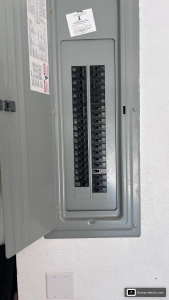
Electricity enters your home through a service line connected to the utility grid, passes through a meter, and then reaches your main electrical panel, sometimes called a consumer unit or breaker box. From there, the panel splits incoming power into individual circuits, each protected by its own breaker sized for the wire gauge and expected load.
Every circuit is a closed loop: power travels out along a hot wire, does work at an outlet or fixture, and returns along a neutral wire, with a ground wire providing a safe path for stray current. When any part of that loop is damaged, overloaded, or improperly connected, you get the symptoms homeowners recognize instantly: tripped breakers, flickering lights, warm outlets, or dead receptacles.
Two safety devices matter most in modern troubleshooting. GFCI (Ground Fault Circuit Interrupter) protection detects current leaking to ground, typically near water sources, and shuts power off in milliseconds. AFCI (Arc Fault Circuit Interrupter) protection detects the electrical signature of dangerous arcing inside walls, often caused by damaged insulation. Both are now central to code requirements and to how electricians assess risk during an inspection, a process outlined in our residential electrical safety inspection checklist.
Why Do Older Homes Have More Electrical Problems?
Roughly 71% of U.S. single-family homes were built before 1990, long before today’s kitchens ran microwaves, air fryers, multiple laptop chargers, and EV chargers off the same circuits. That single statistic explains a huge share of the troubleshooting calls electricians field every week.
Panels installed decades ago were sized for a lighter electrical load. As homeowners add window units, home offices, and smart-home devices, circuits originally designed with margin to spare start running at or near capacity. This is a major reason panel upgrades remain one of the most requested residential electrical services, a topic we cover in depth in our electrical panel upgrade cost breakdown for Broward County.
Older homes are also more likely to be missing modern protective devices entirely. A 2026 EICR-style safety report of inspected properties found missing or inadequate RCD/GFCI protection in 31% of homes, damaged accessories such as outlets and switches in 24%, earthing or bonding concerns in 18%, and outdated consumer unit defects in 15%. These four categories alone account for the overwhelming majority of issues found during residential inspections.

What Are the Most Common Residential Electrical Problems?
Certain problems appear again and again across inspection reports and service calls. Understanding what causes each one helps you describe the issue accurately when you do call a professional, which speeds up diagnosis and repair.
Overloaded Circuits
When too many devices draw power from one circuit, the breaker trips as a protective measure. Industry writeups consistently identify overloaded circuits as the top cause of nuisance trips, dimming lights, and warm outlets, because modern appliance loads routinely exceed what older wiring was designed to support.
Damaged Outlets and Switches
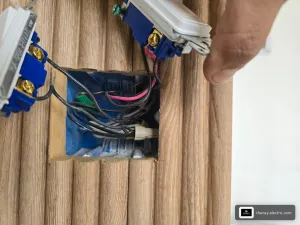
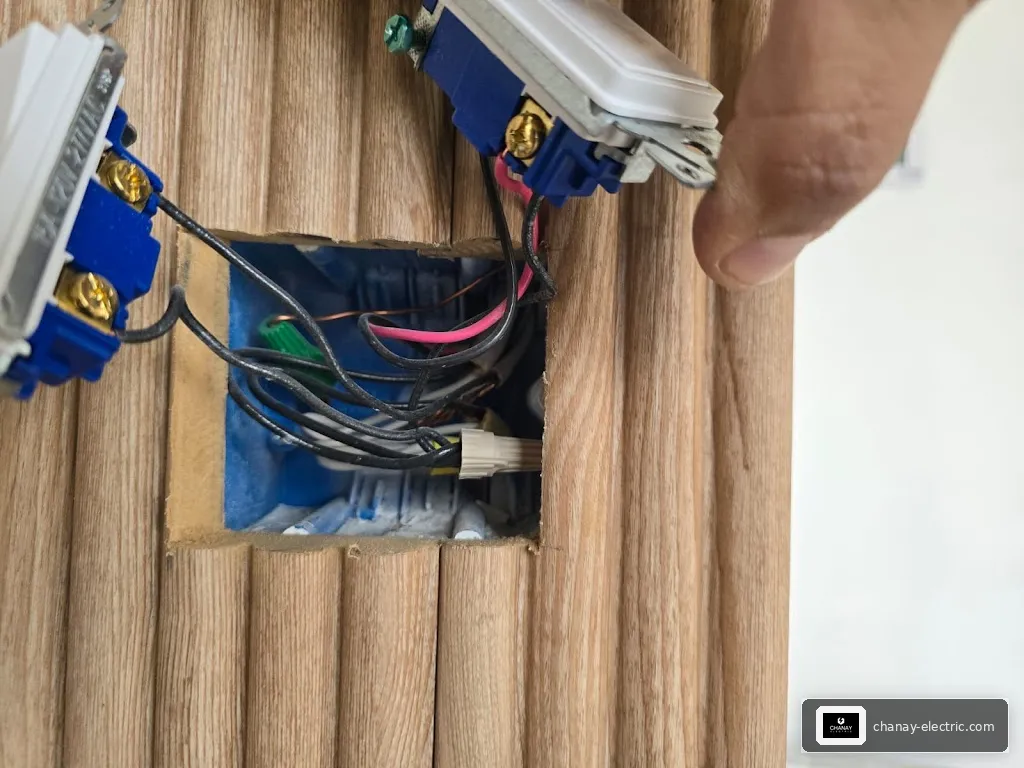
Cracked faceplates, loose receptacles, or outlets that no longer grip a plug firmly are more than cosmetic issues. Loose connections generate heat, and heat degrades insulation over time, creating a slow-building fire risk.
Missing or Inadequate GFCI/AFCI Protection
Kitchens, bathrooms, garages, and outdoor areas built before GFCI requirements became standard often still lack this protection. The Consumer Product Safety Commission’s home electrical safety checklist specifically recommends testing GFCI outlets monthly, since these devices can fail silently over time.
Flickering or Dimming Lights
A single flickering bulb is usually harmless. Lights that dim across an entire room when a large appliance kicks on often point to a loose neutral connection or a circuit working harder than it should, not just a cheap bulb.
Frequent Breaker Trips
A breaker that trips repeatedly is doing exactly what it’s designed to do: protecting the circuit from a fault. Chronic tripping signals a deeper problem, whether that’s overloading, a short circuit, or a failing breaker itself.
Buzzing Sounds or Warm Outlets
Electricity should be silent. Buzzing, crackling, or noticeable warmth at an outlet or switch plate indicates arcing or loose connections and should never be ignored.
Outdated Panels and Double-Tapped Breakers
Aging consumer units, corrosion, and double-tapped breakers (two wires connected to a single breaker terminal not rated for it) are high-risk findings that show up repeatedly in industry documentation of common electrical problems and their fixes.
What Can You Safely Troubleshoot Yourself?
Some steps are genuinely safe for homeowners to try before calling a professional. Others cross into territory that requires licensed expertise and, in many jurisdictions, a permit.
- Reset tripped breakers once. If it trips again immediately, stop and treat it as a signal, not an inconvenience.
- Test GFCI outlets using the built-in test/reset buttons monthly, as recommended in CPSC safety guidance.
- Unplug and redistribute devices across circuits if you suspect overloading, especially in kitchens with multiple high-draw appliances.
- Check for visible damage like cracked outlet covers, scorch marks, or discolored switch plates.
- Never open a panel, remove a cover, or attempt wiring repairs yourself. This is where a structured electrical troubleshooting methodology matters, since misdiagnosing a fault can mask a serious hazard rather than fix it.
If you’re unsure whether an issue is minor or serious, our 12-point residential safety inspection checklist is a useful reference for what a professional actually evaluates room by room.

How Much Do Common Electrical Repairs Cost?
Repair costs vary significantly based on the age of your home, the complexity of the wiring involved, accessibility, and local permitting requirements. The ranges below reflect typical scope for common troubleshooting calls, but your specific project may fall outside these bands depending on conditions found once an electrician opens the wall or panel.
| Common Issue | Typical Cost Range | What Drives the Cost |
|---|---|---|
| Single dead outlet | $85 to $175 | Access, wiring age, whether it’s an isolated fault |
| Circuit that won’t reset | $150 to $350 | Diagnostic time, breaker replacement, wiring damage |
| Lights flickering under appliance load | $200 to $500+ | Loose neutral repair, panel condition, circuit rebalancing |
| Random AFCI/GFCI tripping investigation | $250 to $600 | Multiple test points, appliance interference, wiring faults |
Pricing varies based on your specific project, home age, and what technicians find once they begin testing. If your home is due for a broader upgrade rather than a single repair, our guide to panel upgrade costs in Broward County walks through that larger investment in detail. For a custom quote reflecting your home’s actual condition, reach out to our team directly.
What Warning Signs Mean You Should Call an Electrician Now?
Some symptoms tolerate a wait-and-watch approach. Others don’t. The following list separates the two.
Sparking outlet: Yes
Breaker trips repeatedly: Yes
Warm switch plate: Yes
One dead outlet: Monitor
Old panel, no recent inspection: Schedule
Missing GFCI in wet areas: Schedule
Cosmetic outlet wear: Note for next visit
According to municipal guidance on residential electrical hazards, burning smells, visible sparking, and outlets that feel warm to the touch warrant an immediate service call rather than a wait-and-see approach.
How Can You Prevent Electrical Problems Before They Start?
The strongest trend among electricians and inspectors in 2026 isn’t reactive repair, it’s preventive inspection. Waiting for a visible failure means you’re already dealing with degraded wiring or a stressed panel.
- Schedule a licensed inspection every three to five years, or sooner if your home is over 25 years old.
- Add or upgrade whole-house surge protection if your home lacks it, especially with more sensitive electronics and smart devices in use.
- Replace worn outlets proactively rather than waiting for failure; see our comparison of standard versus upgraded outlet safety options.
- Have your panel evaluated before adding major new loads like an EV charger or large workshop equipment.
- Test GFCI outlets monthly using CPSC-recommended procedures.
Deloitte’s power and utilities industry outlook notes that residential electrification trends are accelerating as homes add EV charging, heat pumps, and battery storage, all of which increase demand on panels that may already be operating near their original design limits.
Key Takeaways
- Electrical failures cause an estimated 46,700 home fires annually in the U.S., with faulty wiring responsible for about 13% of residential structural fires.
- About 71% of U.S. single-family homes were built before 1990, meaning many panels and circuits weren’t designed for today’s appliance loads.
- Inspection data shows missing GFCI/RCD protection (31%), damaged outlets or switches (24%), earthing/bonding issues (18%), and outdated consumer units (15%) as the most common findings.
- Overloaded circuits remain the top cause of nuisance trips, dimming lights, and warm outlets in modern homes.
- Simple homeowner-safe steps include resetting a tripped breaker once, testing GFCIs monthly, and checking for visible damage, but panel work always requires a licensed electrician.
- Repair costs typically range from $85 for a single dead outlet to $600+ for complex AFCI/GFCI tripping investigations, though your project’s actual cost depends on scope and conditions found.
- Preventive inspection every three to five years catches developing hazards before they become visible failures.
People Also Ask
Why does my breaker keep tripping even after I reset it?
A breaker that trips repeatedly is usually reacting to an overloaded circuit, a short circuit, or a failing breaker itself. If resetting it once doesn’t hold, unplug devices on that circuit and call a licensed electrician rather than continuing to reset it.
Why do my lights flicker when I run the microwave or air conditioner?
This usually indicates the circuit is under stress from a high-draw appliance, or that there’s a loose neutral connection somewhere in the circuit. It’s one of the most commonly reported symptoms electricians investigate under the $200 to $500+ diagnostic range.
Is it normal for an outlet to feel warm?
No. Outlets should stay cool to the touch during normal use. Warmth indicates a loose connection or arcing and should be treated as an immediate call-an-electrician situation.
How do I know if my home has enough GFCI protection?
Check kitchens, bathrooms, garages, and outdoor outlets for the test/reset button design. If those areas only have standard outlets, especially in a home built before the mid-1990s, you likely need upgrades, which a licensed inspection will confirm.
Can I fix a dead outlet myself?
Checking the breaker and testing with another device is safe for most homeowners. Opening the outlet box or replacing wiring requires a licensed electrician, since improper work can create fire hazards or code violations.
Frequently Asked Questions
What is the most common electrical problem in residential homes?+
Overloaded circuits are consistently the top issue, causing nuisance breaker trips, dimming lights, and warm outlets. This is especially common in homes built before 1990 that weren’t designed for today’s appliance loads.
How often should I have my home’s electrical system inspected?+
Most electricians recommend a full inspection every three to five years, or sooner if your home is over 25 years old or you’re planning major additions like an EV charger. Our 12-point safety inspection checklist outlines exactly what’s covered.
What’s the difference between GFCI and AFCI protection?+
GFCI protection detects current leaking to ground and is critical near water sources like kitchens and bathrooms. AFCI protection detects dangerous arcing inside walls, often from damaged insulation, and is now required in most living spaces under modern code.
Why do older homes have more electrical issues?+
About 71% of U.S. single-family homes were built before 1990, meaning many still have outdated panels, missing grounding, and no modern GFCI/AFCI protection. These homes were also wired for far lower electrical demand than today’s households require.
Should I worry about a buzzing sound from an outlet or switch?+
Yes. Electrical components should operate silently, so any buzzing or crackling indicates arcing or a loose connection. This should be treated as an urgent issue rather than something to monitor.
How much does it cost to fix common electrical problems?+
Typical ranges run from $85 to $175 for a single dead outlet up to $250 to $600+ for complex AFCI/GFCI tripping investigations. Actual cost depends on your home’s age, wiring condition, and how much diagnostic work is needed, so a custom quote is the most reliable way to plan a budget.
When should I upgrade my electrical panel instead of just repairing it?+
If you’re experiencing frequent trips across multiple circuits, have an old fuse box or double-tapped breakers, or plan to add major loads like an EV charger, a full panel upgrade is usually more cost-effective than repeated repairs. Our panel upgrade cost guide breaks down what to expect.
Understanding how your electrical system works is the first step toward keeping your home safe, but diagnosing a real fault safely requires trained eyes and proper testing equipment. If you’re seeing any of the warning signs covered above, don’t wait for a small symptom to become a costly one. Chanay Electric has helped homeowners across South Florida troubleshoot, repair, and modernize residential electrical systems for years, and our team at our Plantation, FL location is ready to help. Contact us today to schedule an inspection or get a custom quote for your home’s specific needs.
Further reading: Electrical Permit Requirements Fort Lauderdale: What Every Homeowner Should Know Before Work Begins
Further reading: Outdoor Electrical Outlet Installation Code: Your Options and Trade-Offs