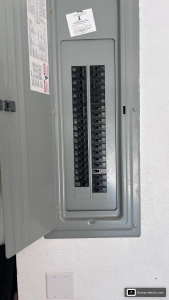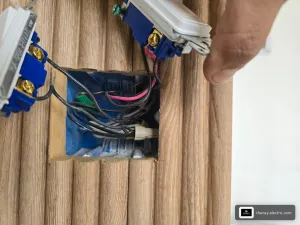
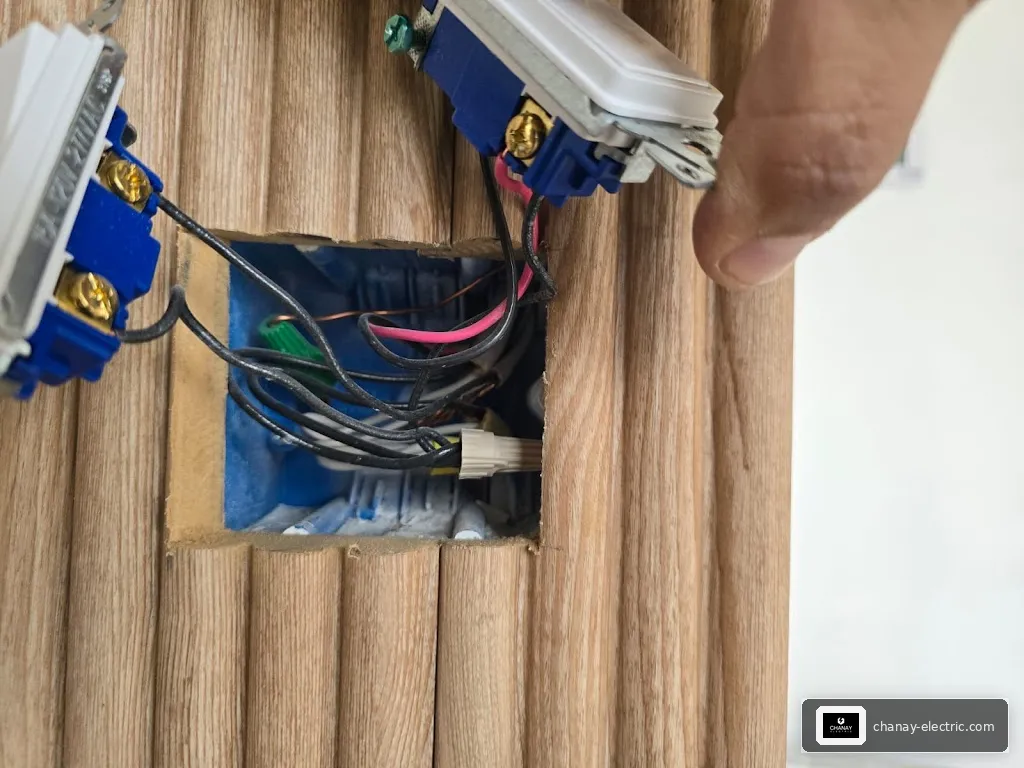
Quick Answer
The outdoor electrical outlet installation code requires GFCI protection, weather-resistant receptacles, listed wet-location boxes, and while-in-use weatherproof covers for virtually every outdoor outlet at a home. The 2026 NEC expanded GFCI coverage for outdoor dwelling outlets up to 60 amps, up from the previous 50-amp threshold, meaning even larger outdoor circuits now need shock protection. Choosing the right combination of components, and getting the permit and inspection right, is what separates a code-compliant installation from a costly redo.
Most homeowners assume an outdoor outlet is just an indoor outlet with a plastic cover slapped on top. That assumption causes more failed inspections than almost any other residential wiring mistake. The outdoor electrical outlet installation code is actually one of the most detailed sections of the National Electrical Code, and the 2026 revision just made it stricter by raising the GFCI protection threshold for outdoor dwelling outlets from 50 amps to 60 amps.
If you’re planning a new patio outlet, a receptacle for holiday lighting, or a dedicated circuit for a hot tub or outdoor kitchen, you have real choices to make: which receptacle type, which box, which cover, and which contractor. This guide walks through those options, the trade-offs behind each one, and what a properly permitted installation should actually cost.
What Changed in the 2026 NEC for Outdoor Outlets?
The single biggest shift is the GFCI amperage threshold. Under earlier code cycles, GFCI protection requirements for outdoor outlets at dwelling units generally topped out around 50 amps on single-phase circuits rated 150 volts or less to ground. The 2026 NEC pushes that ceiling to 60 amperes, closing a gap that previously left some larger outdoor circuits, like those feeding hot tubs or workshop sub-panels, without mandatory shock protection.
According to the NFPA’s summary of key 2026 NEC changes, this expansion reflects a broader trend of closing loopholes in shock protection rather than introducing entirely new categories of coverage. Industry code-quiz resources like ECM’s GFCI outdoor outlet code quiz highlight that many electricians still default to the old 15/20-amp, 125-volt mental model, which no longer captures the full scope of the rule.
There are exceptions. Minnesota’s official 2026 NEC FAQ document notes that outdoor outlets which are not readily accessible, such as those feeding submersible well pumps, sewer lift pumps, load management controllers, or surge protection devices, may fall outside the new GFCI requirement. That distinction matters if you’re planning equipment beyond a simple patio receptacle, and it’s worth confirming with a licensed electrician before assuming an exception applies.
What Does the Code Actually Require for a Compliant Outdoor Outlet?
A compliant outdoor receptacle isn’t one product, it’s a system of five components working together. Miss any one of them and you fail inspection, even if the wiring itself is technically sound.
- GFCI protection at the receptacle or upstream in the circuit, required for qualifying outdoor outlets at dwellings, now extended up to 60 amps under the 2026 NEC.
- Weather-resistant (WR) receptacles, which have corrosion-resistant internals rated for continuous outdoor exposure, not just a standard receptacle behind a cover.
- Tamper-resistant (TR) receptacles, required in most 15- and 20-amp residential locations, including many outdoor areas, under current NEC updates.
- Listed wet-location or damp-location boxes, specifically rated for the installation environment rather than a general-purpose box.
- In-use (while-in-use) weatherproof covers that keep the enclosure sealed even with a cord plugged in, a requirement the NACHI deck and outdoor receptacle inspection guide flags as one of the most commonly missed items during home inspections.
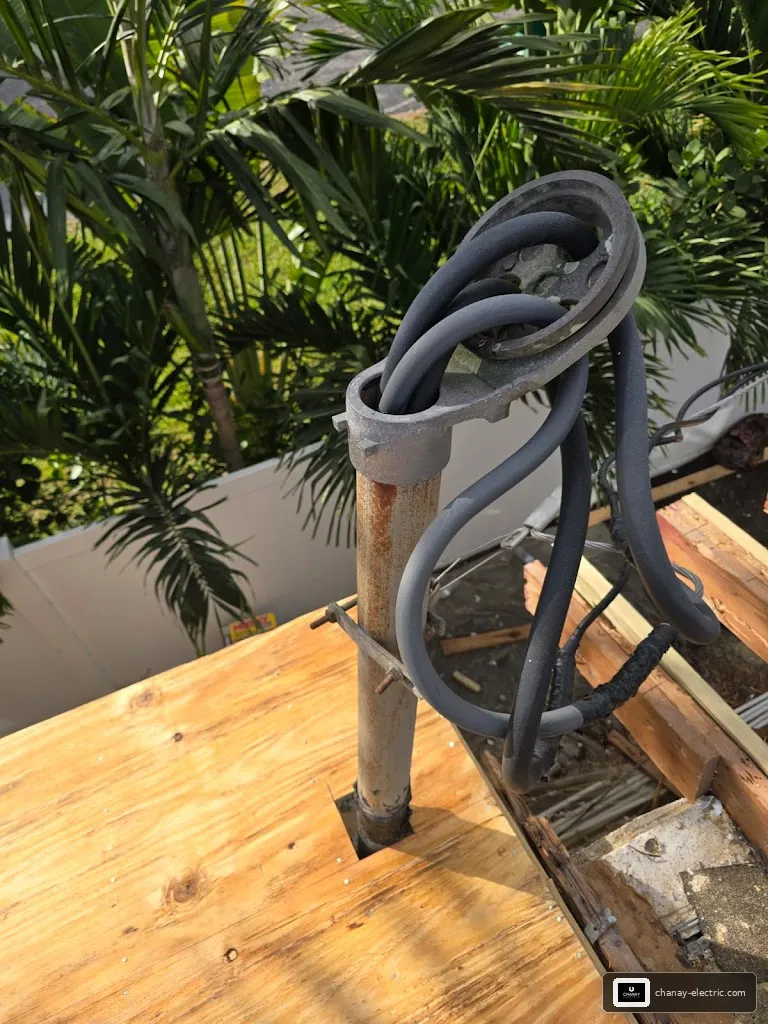
Beyond these five, local jurisdictions layer on their own rules for burial depth of underground conductors, approved conduit types, box fill calculations, grounding and bonding, and permit and inspection sign-off. If you’re wiring outdoor circuits that involve any trenching or buried cable, the NEC guidance on outdoor buried electrical wiring is a useful reference point, but local amendments in South Florida often exceed the federal minimums.
What Are Your Options for Outdoor Outlet Types and Installations?
Not every outdoor outlet serves the same purpose, and the right configuration depends on what you’re plugging in. Here are the main paths homeowners choose between.
Standard GFCI-Protected Patio or Porch Outlet
This is the most common request: a single or duplex receptacle for holiday lights, a pressure washer, or a leaf blower. It requires a weather-resistant, tamper-resistant receptacle, a GFCI breaker or in-line GFCI device, a listed wet-location box, and an in-use cover. This is the baseline every outdoor outlet should meet, and it’s the option covered in our guide to standard versus upgraded outlet options.
Dedicated Circuit for Hot Tubs, Pumps, or Outdoor Kitchens
Higher-draw equipment often needs its own dedicated circuit, sometimes rated well above 20 amps. Under the 2026 NEC’s expanded threshold, these circuits up to 60 amps at dwellings now typically require GFCI protection too, which can mean upgrading breaker types or adding GFCI protection devices rated for higher loads.
Underground Feed to a Detached Structure or Landscape Area
Running power to a shed, dock, or garden feature usually means trenching and burial-rated cable such as UF wire or conduit-protected conductors. The NEC rules for outdoor wiring reference guide outlines minimum burial depths that vary by conduit type and voltage, and local Florida jurisdictions frequently require deeper burial or additional conduit protection near driveways and pool decks.
EV Charger or High-Amperage Outdoor Circuits
If you’re installing an outdoor-rated EV charger, you’re working with a different subset of code requirements around load calculations and disconnects, covered in depth in our EV charger installation guide for Fort Lauderdale homeowners.
How Do Outdoor Outlet Setups Compare?
The table below compares the three most common outdoor outlet scenarios homeowners in Broward and Palm Beach counties ask about.
| Setup Type | Typical Amperage | GFCI Required? |
|---|---|---|
| Standard patio/porch outlet | 15-20 amps, 125V | Yes, always |
| Hot tub or outdoor kitchen circuit | Up to 60 amps, 150V or less | Yes, under 2026 NEC expansion |
| Well pump or lift pump (not readily accessible) | Varies | Often exempt, verify locally |
What Does Outdoor Outlet Installation Cost, and Why?
Pricing for outdoor outlet installation varies widely, and the honest answer is: it depends on your specific setup. A single GFCI-protected receptacle added near an existing indoor circuit is a very different job than trenching 80 feet of conduit to a detached garage panel.
Includes GFCI, WR/TR receptacle, wet-location box, in-use cover
Cost depends on distance from panel and wire gauge
Landscaping restoration may add cost
Factors that move the price up or down include the distance from your main panel, whether trenching or concrete cutting is needed, whether your panel has available capacity, the number of outlets requested, and local permit and inspection fees. Pricing varies based on your specific project, and we’d rather give you an accurate number after seeing your property than guess over the phone. If you’re also weighing a panel upgrade alongside new outdoor circuits, our panel upgrade cost breakdown for Broward County is a useful companion resource.
What Questions Should You Ask Before Hiring an Electrician?
A few pointed questions early on can save you from a failed inspection or a redo later.
- Will this outlet require a permit in my city? Most outdoor circuit work in Florida requires one, and skipping it can complicate a future home sale.
- What amperage and voltage is this outlet or circuit, and does it fall under the 2026 GFCI threshold? A qualified electrician should know immediately.
- Is the box you’re installing listed for wet or damp locations specifically? “Weatherproof-looking” isn’t the same as “listed.”
- Will the cover remain weatherproof with a cord plugged in? If not, it’s not a code-compliant in-use cover.
- What’s the burial depth and conduit type for any underground runs? This should be a specific number, not a vague answer.
If you’re unsure what permitting looks like in your area, our detailed breakdown of electrical permit requirements in Fort Lauderdale walks through the process step by step.
What Red Flags Signal a Non-Compliant Installation?
Watch for these warning signs, whether you’re evaluating existing outlets or a contractor’s proposed work:
- A standard interior-style receptacle mounted outdoors with only a “bubble” cover and no in-use flap.
- No visible GFCI reset button anywhere on the outlet or in the panel labeling.
- A contractor who can’t tell you whether the box is rated for wet or damp locations.
- Exposed, unprotected cable running along an exterior wall instead of conduit.
- No mention of a permit or inspection for new circuit work, especially for anything involving trenching.
These same red flags often show up during a broader home safety review. Our residential electrical safety inspection checklist covers 12 points worth checking, including outdoor receptacles, before you assume your home is fully compliant.
People Also Ask
Do all outdoor outlets need GFCI protection?
Nearly all outdoor outlets at dwellings need GFCI protection under current NEC rules, now extended up to 60 amps for qualifying circuits. A limited set of exceptions exist for equipment that isn’t readily accessible, such as certain well pumps or sewer lift pumps.
What’s the difference between a weatherproof cover and an in-use cover?
A basic weatherproof cover only protects the outlet when nothing is plugged in. An in-use, or while-in-use, cover keeps the receptacle protected from rain and moisture even with a cord plugged in, which is what current code requires for wet locations.
Can I install an outdoor outlet myself?
Some jurisdictions allow homeowner-performed electrical work with a permit, but outdoor circuits involve GFCI wiring, weatherproofing, and often trenching, all of which must pass inspection. Given the complexity and safety stakes, most homeowners hire a licensed electrician.
How deep does buried electrical wire need to be outdoors?
Burial depth depends on the wiring method, voltage, and whether it’s under a driveway or open yard, generally ranging from 6 inches with rigid conduit to 24 inches for direct-buried cable. Local Florida amendments sometimes require deeper burial than the NEC minimum.
Frequently Asked Questions
What is the 2026 NEC change for outdoor outlets?+
The 2026 NEC raised the GFCI protection threshold for outdoor outlets at dwellings from 50 amps to 60 amps on single-phase branch circuits rated 150 volts or less to ground. This means more outdoor circuits, including some larger equipment feeds, now require GFCI protection than under previous code cycles.
Do I need a permit for a new outdoor outlet?+
In most Florida municipalities, yes, any new circuit or outlet addition requires a permit and inspection. Skipping this step can create problems during a home sale or insurance claim.
What receptacle type is required outdoors?+
Outdoor receptacles must be weather-resistant and, in most residential 15- and 20-amp locations, tamper-resistant as well. They also need GFCI protection and must be installed in a box listed for wet or damp locations with an in-use cover.
Are all outdoor outlets exempt from GFCI if the equipment is hardwired?+
Not automatically. The exemption applies to outlets that are not readily accessible, such as certain submersible well pumps or sewer lift pumps, and this must be confirmed against your specific installation and local amendments rather than assumed.
How much does it cost to add an outdoor outlet?+
Costs vary significantly based on distance from your panel, whether trenching is required, and local permit fees, so pricing depends entirely on your specific project. A licensed electrician can give you an accurate quote after evaluating your home’s panel capacity and the outlet’s location.
Can I use an indoor receptacle outdoors if I add a cover?+
No. Indoor receptacles lack the weather-resistant internal components required for outdoor exposure, and a cover alone does not bring the installation up to code. Code requires a weather-resistant, tamper-resistant receptacle in a listed wet-location box.
Key Takeaways
- The 2026 NEC raised the GFCI protection threshold for outdoor dwelling outlets from 50 amps to 60 amps, expanding shock protection coverage.
- Every compliant outdoor outlet needs five things working together: GFCI protection, weather-resistant receptacle, tamper-resistant design, a listed wet-location box, and an in-use weatherproof cover.
- Some equipment, like well pumps or lift pumps that aren’t readily accessible, may be exempt from the outdoor GFCI rule, but this should be confirmed locally.
- Underground wiring has specific burial depth and conduit requirements that vary by wiring method and local amendments.
- Costs vary widely depending on distance from the panel, trenching needs, and permit requirements, so treat any flat-rate quote with suspicion.
- A permit and inspection are typically required for new outdoor circuits in Florida, and skipping this step creates risk during home sales or insurance claims.
- Red flags like missing GFCI buttons, indoor-style receptacles outdoors, or exposed unprotected cable usually indicate non-compliant work.
Outdoor outlets look simple, but the code behind them is layered, and the 2026 updates raised the bar further. Whether you need a single patio receptacle or a full outdoor circuit for a kitchen or hot tub, getting the GFCI protection, receptacle type, box rating, and permit right the first time saves you money and hassle down the road. If you’re planning outdoor electrical work anywhere in Broward or Palm Beach County, or you’re weighing options like ceiling fans, panel upgrades, or EV charging as part of a broader project, browse our completed project gallery or learn more about our licensed team. For homeowners in Plantation specifically, our licensed residential and commercial electrical services page covers additional local considerations.
Related: Circuit Breaker Replacement in West Palm Beach: Full Process Breakdown
Ready to get your outdoor outlet installed correctly, permitted, and inspection-ready the first time? Contact Chanay Electric today for a custom quote built around your property and your project scope. Visit Chanay Electric to learn more about our residential electrical services across South Florida.