If your lights flicker, breakers trip often, or your panel feels warm, you may need an electrical panel upgrade in Plantation, FL before the problem becomes a safety concern. A modern panel helps your home handle today’s appliances, air conditioning, EV chargers, kitchen upgrades, pool equipment, and smart home technology more safely. In many older homes, upgrading the panel is not just about adding power. It is about protecting the wiring system, improving reliability, and preparing the property for future electrical demand.
Plantation homeowners are asking more from their electrical systems than ever before. A home built decades ago may have been designed for basic lighting, a refrigerator, a washer, and a few small appliances. Today, that same home may need power for multiple televisions, computers, security systems, high-efficiency HVAC equipment, electric vehicle charging, outdoor lighting, and renovated kitchens or bathrooms.
That added demand can expose problems in an outdated panel. Some issues call for a repair. Others require a full replacement or service upgrade. Knowing the difference can help you avoid wasted money, unsafe shortcuts, and frustrating delays.
Why Electrical Panels Matter More In Modern Plantation Homes
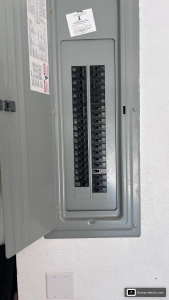
Your electrical panel is the control center of your home’s power system. It receives electricity from the utility service and distributes it to circuits throughout the house. Each breaker is designed to protect a specific circuit by shutting off power when there is an overload, short circuit, or fault.
When a panel works properly, most homeowners barely think about it. When it struggles, the signs can show up in everyday life. A microwave trips the kitchen breaker. The lights dim when the air conditioner starts. A home office loses power during peak use. A new appliance installer says there is no room for another circuit.
In Plantation, this issue is common in older homes, renovated properties, and houses adding new technology. Many homes were not originally built for the electrical load people now expect. Industry trends heading into 2026 show rising demand for EV chargers, solar-ready systems, battery storage, heat pumps, induction cooking, and smart energy management. These upgrades can place new pressure on older panels, especially panels with limited capacity or outdated breaker designs.
A panel is not just a metal box on the wall. It affects safety, comfort, convenience, resale value, insurance review, and future remodeling options.
Signs You May Need An Electrical Panel Upgrade
Electrical problems do not always appear all at once. Many start as small annoyances that homeowners work around for months. The problem is that electrical strain often gets worse over time.
Common warning signs include:
- Breakers trip repeatedly
- Lights flicker or dim during normal use
- The panel makes buzzing, crackling, or sizzling sounds
- Breakers feel loose, hot, or difficult to reset
- The panel has rust, corrosion, or moisture stains
- You still have a fuse box
- There are scorch marks or burning smells near the panel
- You rely on extension cords or power strips every day
- There is no room for new circuits
- Appliances do not run reliably
- A home inspection flags the panel as outdated
One Plantation homeowner may notice the breaker trips every time the microwave and toaster oven run together. Another may be planning a kitchen remodel and discover the existing panel cannot safely support new dedicated circuits. A third may be trying to install an EV charger and learn that the current service capacity is too limited.
These situations are different, but they share the same lesson. Your panel should match how your home is actually used, not how it was used 30 or 40 years ago.
Electrical Panel Upgrade In Plantation, FL: Repair, Replacement, Or Service Upgrade?
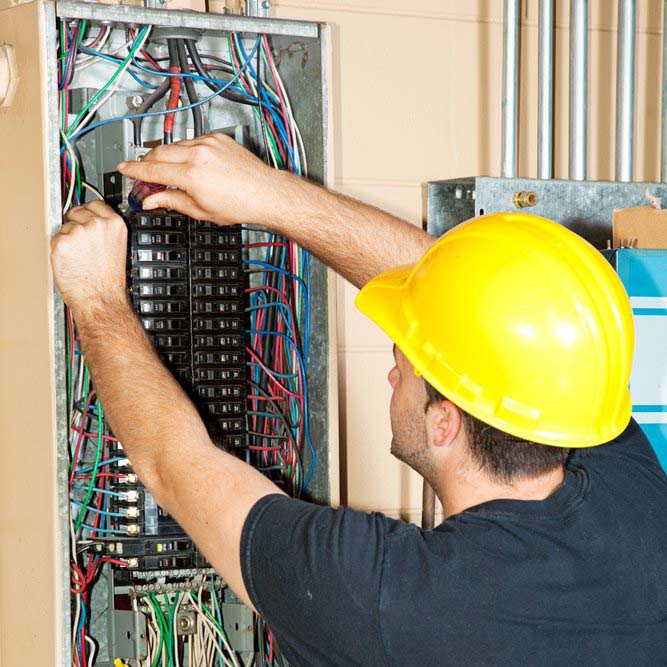
Not every panel issue requires the same solution. A qualified electrician will usually look at the age of the panel, circuit demand, visible condition, breaker performance, available capacity, grounding, and future needs before recommending a path.
There are three common options.
Panel Repair
A repair may be appropriate when the panel is generally in good condition, the issue is limited, and the equipment is still safe and compatible. Examples may include replacing a faulty breaker, correcting a loose connection, labeling circuits, or addressing a minor issue found during inspection.
A homeowner searching for electrical panel repair in Plantation may be dealing with a specific problem, such as one breaker that keeps failing or a circuit that needs diagnosis. Repair can be cost-effective, but it should never be used to keep an unsafe or obsolete system running beyond its useful life.
Panel Replacement
Panel replacement means removing the old panel and installing a new panel while keeping the same general service size, if the existing service capacity is still adequate. This may be the right choice when the panel is outdated, damaged, crowded, or no longer supported by available parts.
Many homeowners consider electrical panel replacement in Plantation when they are selling a home, buying an older property, completing a remodel, or responding to insurance inspection concerns. Replacement can improve safety and organization without necessarily increasing the full service size.
Service Upgrade
A service upgrade increases the electrical capacity available to the home. For many modern properties, this may involve moving from 100 amps or 150 amps to 200 amps, depending on the load calculation and utility requirements.
A 200 amp panel upgrade in Plantation is often considered when the home is adding major electrical demand, such as an EV charger, new HVAC equipment, a larger kitchen, a pool heater, a workshop, or future solar and battery systems.
How A Professional Evaluates Your Panel
A proper panel evaluation is more than a quick glance. A professional should look at both current safety and future usability.
Key evaluation points include:
- Main service size
- Panel brand and model
- Age and condition
- Signs of overheating
- Breaker fit and compatibility
- Circuit labeling
- Grounding and bonding
- Available breaker spaces
- Existing load demand
- Planned remodels or equipment upgrades
- Moisture exposure
- Code and permit requirements
In real field work, the most useful question is not always, “Can we make this work today?” A better question is, “Will this system safely support the home for the next several years?”
For example, a panel with one open breaker space may technically support a small added circuit today. But if the homeowner plans to remodel the kitchen next year, install an EV charger, and add outdoor lighting, a short-term repair may not be the smartest investment.
2025 To 2026 Trends Changing Electrical Panel Decisions
Electrical systems are changing because homes are changing. The biggest trend from 2025 into 2026 is increased electrical demand from lifestyle upgrades, energy efficiency improvements, and home technology.
EV Charger Readiness
More homeowners are planning for EV charging even if they do not own an electric vehicle yet. A Level 2 charger can create a significant load, so the panel must be evaluated before installation. Some homes can support charging with load management. Others need additional capacity.
Smarter Energy Management
Smart panels, energy monitors, and load management devices are becoming more common. These systems help homeowners understand and control energy use. They may also help avoid unnecessary oversizing in some situations, but they still require professional design and installation.
Solar And Battery Preparation
Even if solar panels are not installed immediately, homeowners are asking whether their panel can support future solar or battery storage. A panel upgrade may be part of a larger energy plan.
More Dedicated Circuits
Modern kitchens, laundry rooms, home offices, outdoor spaces, and garages often need more dedicated circuits. This is especially common during renovations.
Code And Safety Awareness
Electrical codes continue to emphasize protection such as GFCI, AFCI, surge protection, proper grounding, and safe installation practices. The 2023 National Electrical Code expanded several protection requirements, and 2026 adoption cycles are continuing to influence how electricians plan safer residential systems.
Insurance And Inspection Pressure
In Florida, older or problematic panels may raise concerns during insurance reviews, four-point inspections, or real estate transactions. Some panel brands and outdated systems can create underwriting problems, especially when combined with old wiring or visible defects.
Electrical Panel Upgrade In Plantation, FL Cost Considerations
The cost of an electrical panel project depends on the scope of work. A simple breaker repair costs far less than a full service upgrade. A replacement with the same amperage is different from upgrading service capacity, coordinating with the utility, changing the meter equipment, or correcting grounding issues.
Common factors that affect cost include:
| Cost Factor | Why It Matters |
|---|---|
| Panel size | Larger capacity and more circuits usually increase material and labor needs |
| Existing condition | Corrosion, overheating, and damaged wiring may require correction |
| Permit requirements | Permits and inspections protect safety and compliance |
| Utility coordination | Service upgrades may require scheduling with the power provider |
| Grounding updates | Older grounding systems may need improvement |
| Circuit additions | Remodels and EV chargers may require new dedicated circuits |
| Accessibility | Tight closets, garages, exterior walls, and old installations can affect labor |
| Code updates | Safety upgrades may be required as part of the project |
A homeowner should be cautious of any quote that is unusually vague. A reliable estimate should explain what is included, what is not included, whether permits are part of the process, and whether the work involves repair, replacement, or full service upgrade.
In Plantation, local permit rules matter. The City of Plantation provides online permit services, and local building safety requirements help verify that work is performed under proper review.
How Long Does A Panel Upgrade Usually Take?
Timelines vary based on the project. A minor repair may be completed quickly if parts are available and no deeper issues are found. A panel replacement or service upgrade may take longer because it can involve permits, inspections, utility coordination, and scheduling.
Typical timeline factors include:
- Initial inspection and load evaluation
- Estimate and project planning
- Permit application
- Utility scheduling, if needed
- Panel installation
- Inspection
- Final labeling and testing
The physical installation may often be completed in a day for many straightforward panel replacements, but the full process can take longer due to permitting and coordination. Homeowners should plan for a temporary power shutoff during installation. A professional should explain how long the outage may last and what to prepare before work begins.
Good planning is especially important if someone works from home, has refrigerated medication, uses medical equipment, or has security systems that need backup power.
When A 200 Amp Upgrade Makes Sense
A 200 amp electrical service is common in many modern homes because it provides more capacity for today’s power needs. That does not mean every home automatically needs one. The right answer depends on load calculations, existing equipment, and future plans.
A 200 amp upgrade may make sense if you are planning:
- EV charger installation
- Major kitchen remodeling
- New HVAC equipment
- Pool equipment upgrades
- Home addition
- Garage workshop
- Outdoor kitchen
- Large laundry upgrade
- Solar or battery storage preparation
- Multiple dedicated circuits
- Whole-home surge protection
Here is a practical example. A Plantation homeowner has a 1970s home with 100 amp service. The family wants a new electric range, a tankless water heater, a Level 2 EV charger, and upgraded outdoor lighting. Even if the current panel appears to work today, the planned load may justify a service upgrade rather than a simple replacement.
By contrast, a smaller home with gas appliances, no EV plans, and a panel in poor condition may only need a new panel at the existing service size. This is why a load calculation matters.
Common Mistakes Homeowners Should Avoid
Panel work is not the place for guesswork. The wrong decision can lead to safety risks, failed inspections, higher costs, and future rework.
Choosing Repair When Replacement Is Safer
A repair may seem cheaper at first, but patching an old, unsafe, or overloaded panel can cost more later. If the panel is obsolete, damaged, or too small for the home, replacement may be the better long-term choice.
Ignoring Future Electrical Needs
Many homeowners only think about the problem in front of them. A better approach is to consider the next five to ten years. Will you add an EV charger? Remodel the kitchen? Build an addition? Add a pool heater? Planning ahead can prevent repeat electrical work.
Hiring Based Only On Lowest Price
Electrical work should be judged by scope, licensing, code compliance, safety process, and communication. A low price that skips permits, grounding updates, or proper evaluation is not a bargain.
Assuming All Panels Are The Same
Panels vary by capacity, layout, breaker compatibility, installation quality, and condition. Older panel brands may also create insurance or inspection concerns.
Overloading Circuits
Adding power strips, extension cords, or oversized breakers is not a safe solution. Breakers are sized to protect wiring. Changing breaker sizes without evaluating wire capacity can create serious fire risk.
Skipping Permits
Permits and inspections may feel like extra steps, but they protect the homeowner. They also matter during resale, insurance review, and future renovations.
If you are evaluating options for your property, speaking with a qualified professional can help you compare solutions, understand costs, and make a more confident decision. Chanay Electric can inspect your current setup, explain repair and replacement options, and help you understand what makes sense for your home’s electrical demand.
How To Prepare Before Scheduling Panel Work
A little preparation can make the process smoother.
Before calling an electrician, gather basic information:
- Approximate age of the home
- Panel location
- Any recent electrical problems
- Appliances or circuits that trip breakers
- Upcoming remodel plans
- EV charger or solar plans
- Inspection reports, if available
- Photos of the panel label and breakers
You do not need to diagnose the issue yourself. In fact, you should not remove the panel cover or touch internal components. But sharing symptoms and goals helps the electrician understand whether the visit is for troubleshooting, replacement planning, or capacity evaluation.
Suggested internal links that would fit naturally in this topic include:
- Learn more about residential electrical repair services
- Explore our electrical safety inspection options
- Read our guide to EV charger installation planning
- Learn more about whole-home surge protection
- Explore our home remodeling electrical services
Professional Recommendations For A Safer Panel Project
An experienced electrician should help you look beyond the panel box itself. The goal is a safe, organized, code-conscious electrical system that supports how you live.
Professional recommendations often include:
Request A Load Calculation
A load calculation helps determine whether your existing service can support current and planned demand. This is especially important before installing major equipment.
Ask About Grounding And Bonding
Grounding and bonding help protect people and equipment. Older homes may need updates during panel work.
Plan For Dedicated Circuits
Large appliances, HVAC equipment, EV chargers, and certain kitchen or laundry devices may need dedicated circuits. Planning these circuits during a panel project can be more efficient.
Consider Surge Protection
Whole-home surge protection is increasingly common as homes rely on expensive electronics, smart appliances, HVAC controls, and connected devices.
Keep Your Panel Accessible
Do not block the panel with storage, shelving, appliances, or furniture. Clear access matters for emergencies, inspections, and future service.
Label Circuits Clearly
A well-labeled panel saves time during troubleshooting and improves safety for homeowners, electricians, and emergency responders.
Safety Red Flags That Should Not Wait
Some electrical symptoms should be treated as urgent. Call a qualified electrician if you notice:
- Burning odor near the panel
- Scorch marks or melted breaker areas
- Crackling or buzzing sounds
- Breakers that will not reset
- Warm or hot panel surfaces
- Visible corrosion or moisture
- Repeated tripping on the same circuit
- Lights dimming severely under normal appliance use
If there is smoke, fire, or immediate danger, leave the area and contact emergency services. Do not try to open the panel or repair wiring yourself.
Maintenance Tips After A Panel Upgrade Or Repair
Electrical panels do not require daily attention, but they should not be ignored for years. Simple maintenance habits can help protect your investment.
Homeowners should:
- Keep the panel area dry
- Maintain clear access in front of the panel
- Avoid storing chemicals or flammable materials nearby
- Watch for rust, insects, or moisture
- Test GFCI devices as recommended
- Schedule inspections after major renovations
- Avoid adding circuits without professional review
- Keep updated records of electrical work
- Make sure circuit labels stay accurate
If you add a major appliance, EV charger, pool equipment, or home addition later, ask an electrician to confirm the panel can support the added load.
Electrical Panel Upgrade In Plantation, FL For Remodels, Additions, And EV Chargers
Many panel upgrades are triggered by a larger home improvement project. A kitchen remodel may require new circuits for appliances, outlets, lighting, and ventilation. A bathroom remodel may involve GFCI protection, exhaust fans, lighting, and dedicated circuits. A home addition may need several new branch circuits. An EV charger may require a larger breaker and careful load planning.
The best time to evaluate your panel is before the remodeling work begins. Waiting until the cabinets are installed or the charger is delivered can create delays. Early electrical planning helps avoid surprises with permits, drywall work, inspections, and equipment placement.
For example, a homeowner adding a new outdoor kitchen may focus on countertops, appliances, and patio layout. But the electrical side may require weather-rated equipment, GFCI protection, dedicated circuits, and panel capacity. If the panel is already full, the project may need additional planning before installation can move forward.
How To Choose The Right Electrician For Panel Work
Hiring the right professional matters as much as choosing the right equipment. Electrical panel work affects the safety of the entire home.
Before hiring, ask:
- Are you licensed and insured for this type of work?
- Will the project require a permit?
- What is included in the estimate?
- Will you evaluate the existing load?
- Do you inspect grounding and bonding?
- How long will power be off?
- Will you coordinate with the utility if needed?
- What panel size do you recommend and why?
- Are there code updates that affect my project?
- Will circuits be labeled after installation?
The best answers should be clear and practical. Be cautious if someone dismisses permits, avoids discussing safety, or recommends adding major loads without checking capacity.
FAQ
How Much Does An Electrical Panel Upgrade Cost?
Cost depends on the panel size, existing condition, permit needs, grounding updates, utility coordination, and whether the project is a replacement or full service upgrade. A professional inspection is the best way to get an accurate estimate because two homes with similar panels may require very different work.
How Long Will My Power Be Off During Panel Replacement?
Many straightforward panel replacements require a planned power shutoff during installation. The outage may last several hours, depending on the scope and inspection process. Service upgrades can take longer because they may involve utility coordination and permit scheduling.
How Do I Maintain A New Electrical Panel?
Keep the panel dry, accessible, and clearly labeled. Do not store items in front of it. Watch for unusual smells, heat, corrosion, or tripping breakers. Schedule a professional evaluation before adding major appliances, EV chargers, or new circuits.
Should I Hire A Professional Or Try To Fix A Breaker Myself?
You should hire a qualified electrician for panel work. Breaker panels contain energized components that can cause shock, burns, fire, or equipment damage. A professional can identify whether the issue is a bad breaker, overloaded circuit, wiring problem, or larger panel concern.
Final Thoughts On Electrical Panel Upgrade In Plantation, FL
A safe electrical system should support the way your home functions today while leaving room for tomorrow’s needs. If your panel is outdated, crowded, damaged, or struggling with modern electrical demand, it may be time to compare repair, replacement, and upgrade options.
The smartest decision starts with a proper evaluation. Look at current problems, planned projects, safety concerns, permit requirements, and long-term value. A well-planned panel project can improve reliability, reduce nuisance breaker trips, support new technology, and give you more confidence in your home’s electrical system.
Related: Outdoor Electrical Outlet Installation Code: Your Options and Trade-Offs
Call (754) 799-4371 today or fill out the contact form to schedule your consultation and discuss your project goals.
About Chanay Electric
Chanay Electric provides electrical services for homeowners and property owners throughout Plantation, FL, and nearby service areas. Its professionals handle panel evaluations, electrical repairs, panel replacement planning, service upgrade guidance, circuit additions, safety improvements, and electrical support for remodeling and modern home upgrades. The team focuses on practical recommendations, careful workmanship, clear communication, and professional standards that help customers understand their options before making a decision. From troubleshooting a tripping breaker to planning a larger electrical improvement, its customer-focused approach is built around safety, reliability, and long-term value for local properties.