Electric car charging stations
If you’re thinking of buying an EV or are a business with a growing number of customers who drive them, it’s time to think about installing an electric car charging station on your property. But, you might be wondering what the process includes, whether you need special permits, and if it’s possible to install one yourself.
Here at Chanay Electric in South Florida, we’ve got the answers! Take a look at our Q&A to learn more about EV charging stations.
Who should have electric car charging stations?
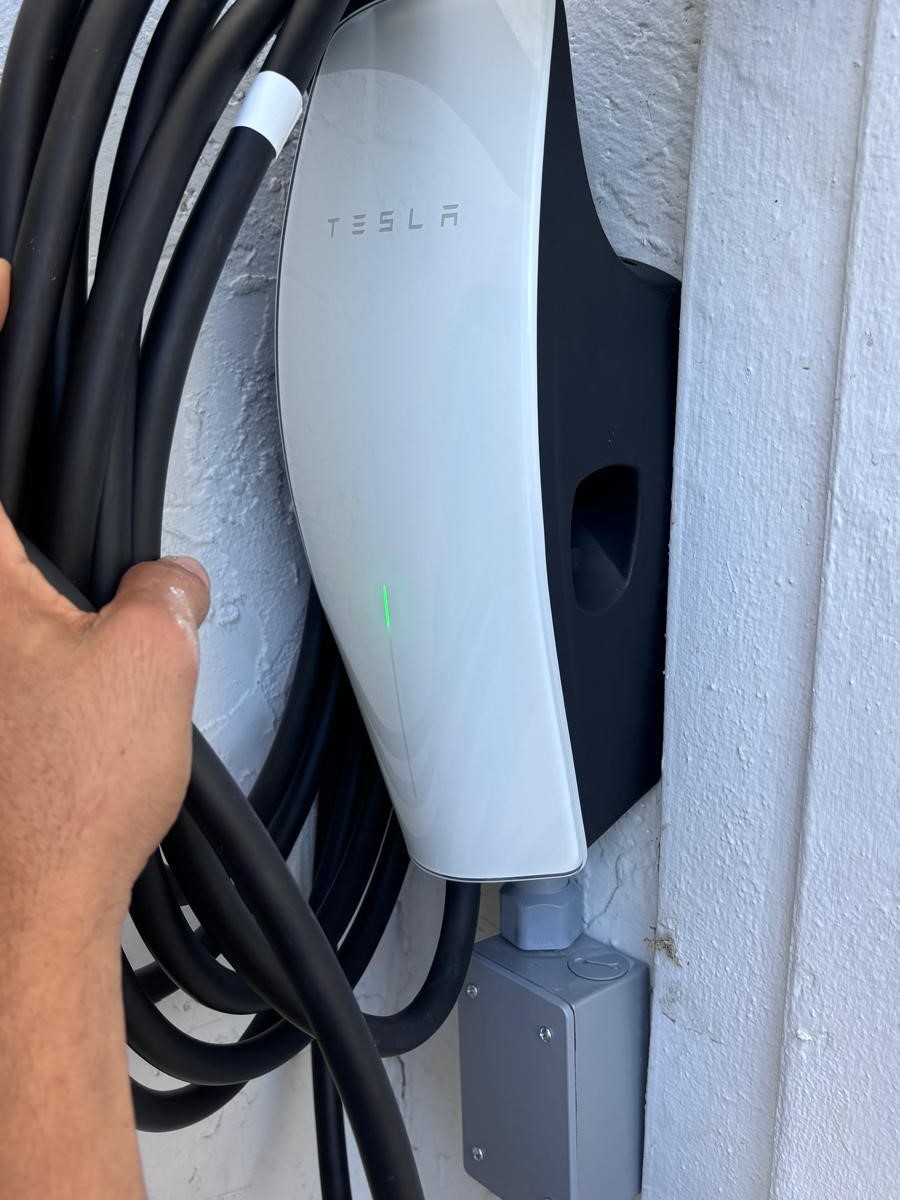
On the one hand, you’ve probably already guessed that if you’re a homeowner and an electric vehicle owner, it’s in your best interest to have a charging station at home. This will prevent you from having to search for and pay for an off-site charging station.
But, if you’re a business owner, on the other hand, you might be asking yourself if it’s really worth it to install a charging station. In many cases, the answer is yes!
- Retail and parking lots. EV charging stations are becoming a selling point for malls, grocery stores, gas stations, public parking lots and other retail settings.
- Accommodations. From hotels to Airbnbs, EV owners are factoring a charging station into their booking decisions.
- Multi-family residences. Apartment buildings without EV charging stations are less competitive in today’s housing market.
- Schools, hospitals and government settings. Many businesses and governmental agencies are committing to sustainability goals that will reduce their carbon footprint. Installing electric car charging stations is a key part of these types of plans.
- Office buildings. Having a charging station on site is a huge selling point for many employers.
What kind of charging station do I need?
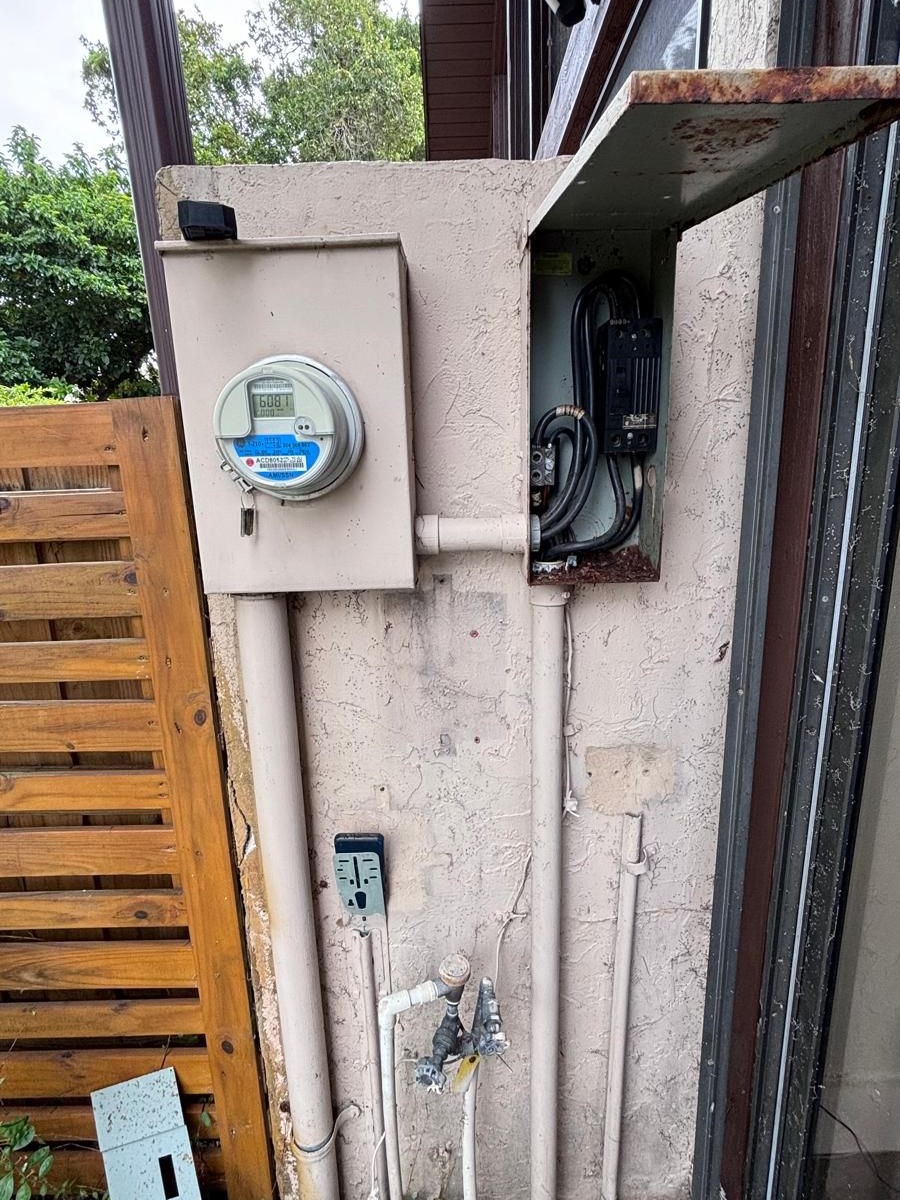
Not all charging stations give off the same amount of current, which will affect the charging time. And, you’ll want to choose the right level for your particular setting:
- Level 1. This level is intended to work with a standard 120-volt home electrical outlet. As such, it is the slowest charging option available, but can be useful for overnight charging or trips of short distances. Depending on your current electrical system, you may not have to add an additional circuit to use a Level 1 charger, but it’s important to get the go-ahead from an electrician so that you don’t overload the system.
- Level 2. Level 2 charging stations are a step up from Level 1 in terms of charging time (typically about 3 to 6 hours to completely recharge a battery), but they require a higher voltage outlet (240-volt.) Installing this type of outlet generally requires adding an extra circuit to a home electrical board.
- Fast Charging or Level 3. The fastest charging stations are Level 3 chargers, and are typically reserved for commercial settings because of the price and amount of voltage they require. These charging stations are the best option for quick-stop charging at grocery stores and gas stations as they can fully charge a battery in about 30 minutes to an hour.
How much will a charging station affect my monthly electricity usage?
No matter if you’re a business owner or homeowner, you’re probably wondering how much all this charging is going to cost you month-to-month.
Overall, the answer will depend on a variety of factors, including:
- The level of charging station you install
- The amount of charging stations on your electrical grid
- The kind of battery your electrical vehicle uses
- Your daily commute
- The price of electricity in your state
- Whether your state offers special rates for EV owners
According to Motor Trends, Florida ranks #30 in the average price of charging, which means that you’ll spend less here than in most other states in the US. But, in order to get a more accurate estimate of your monthly bill, talk to a professional electrician who knows your power grid!
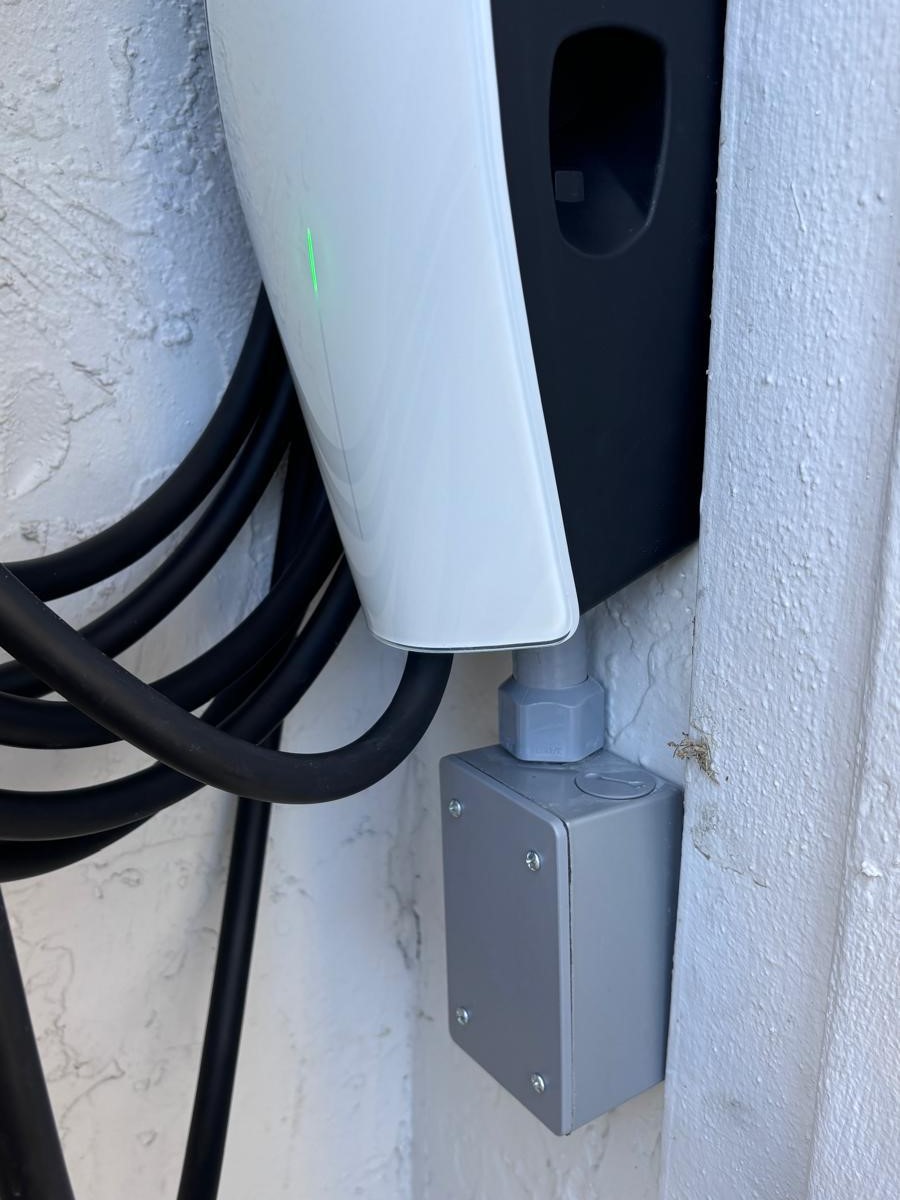
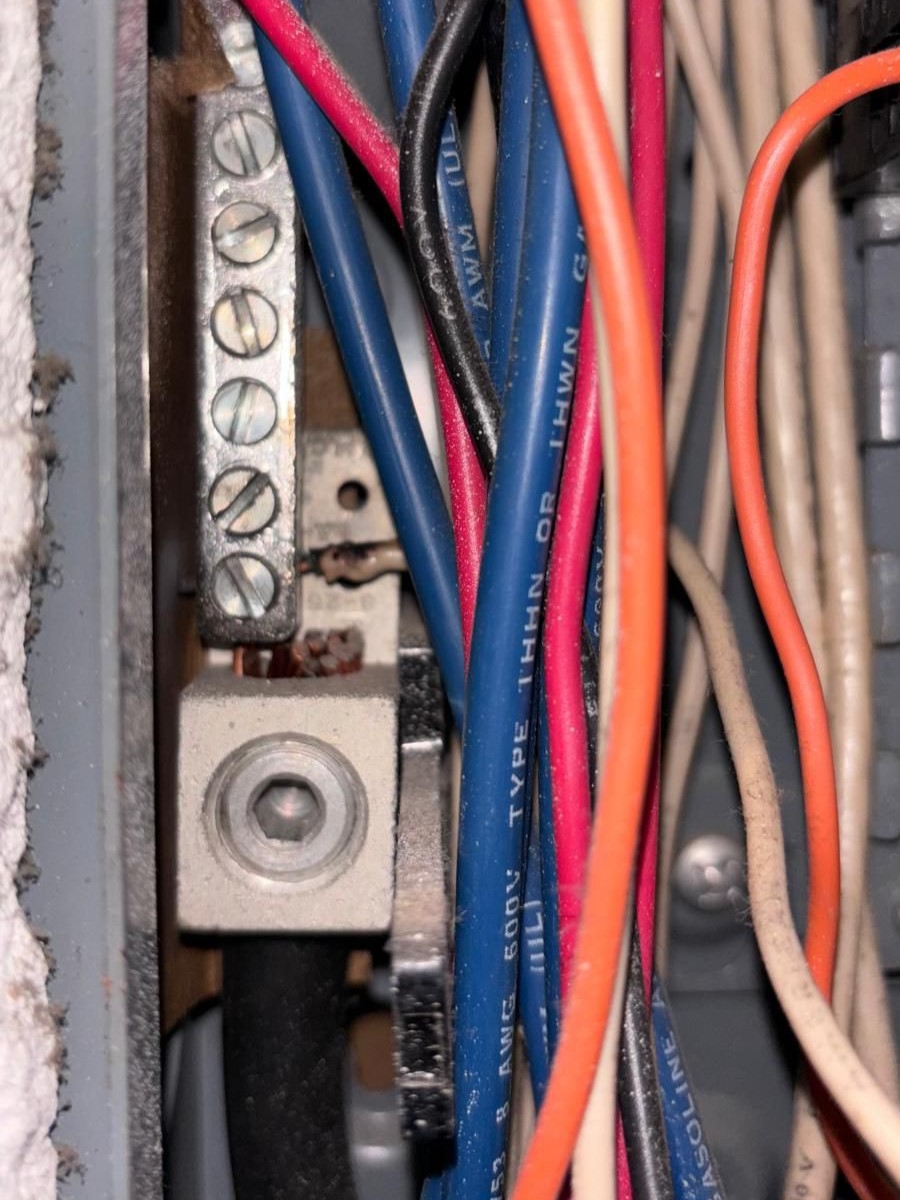
Will I need to install a new electrical system for an electric car charging station?
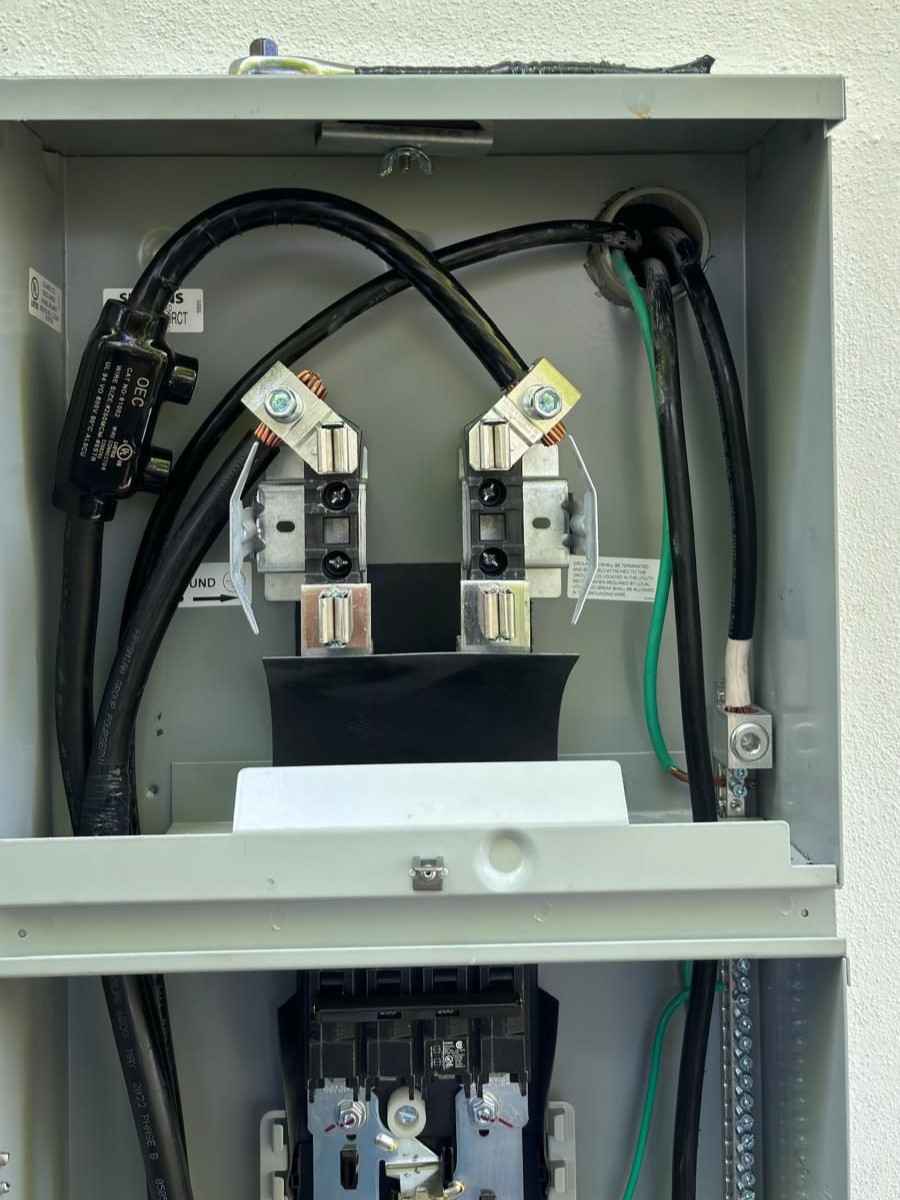
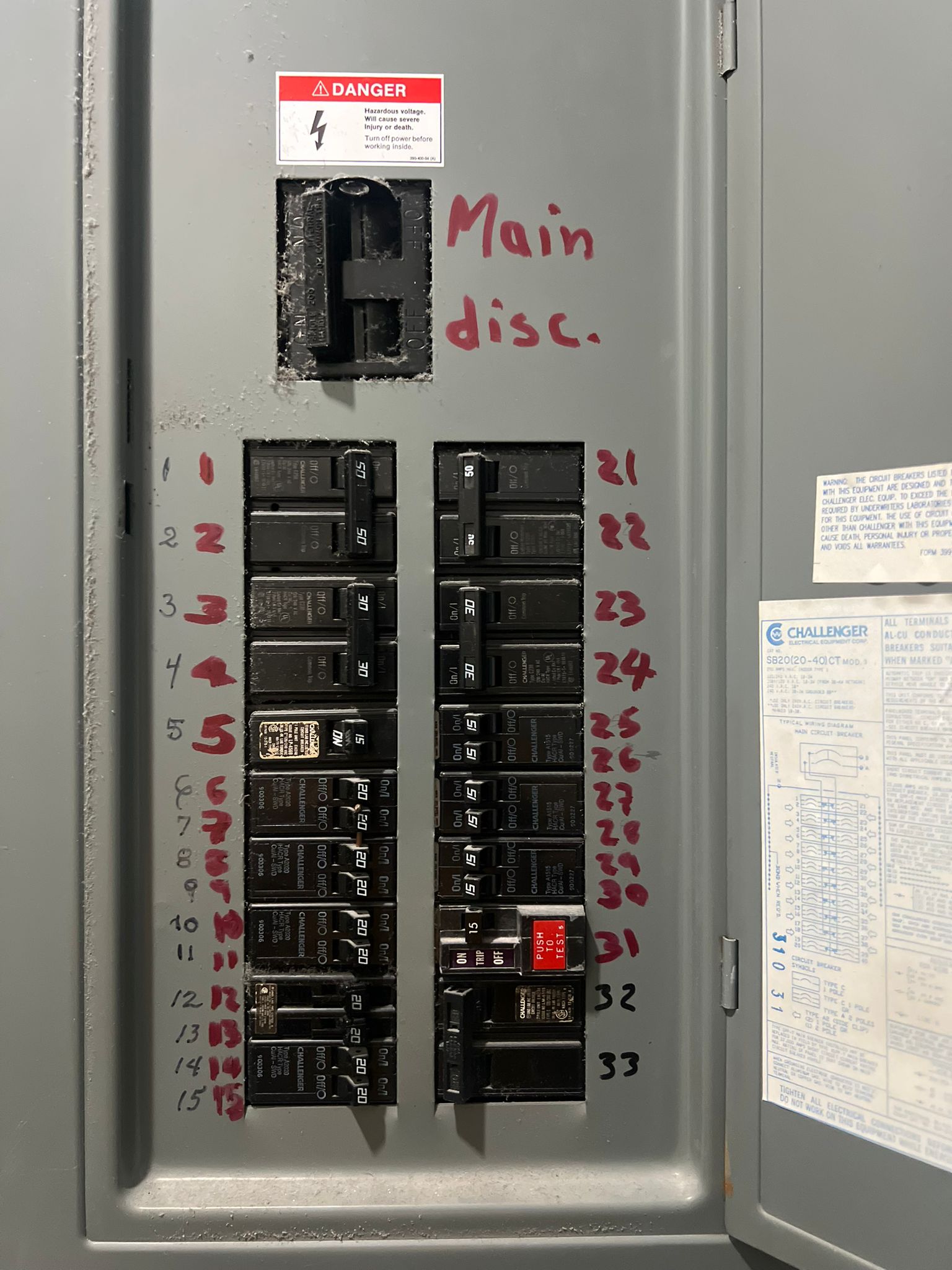
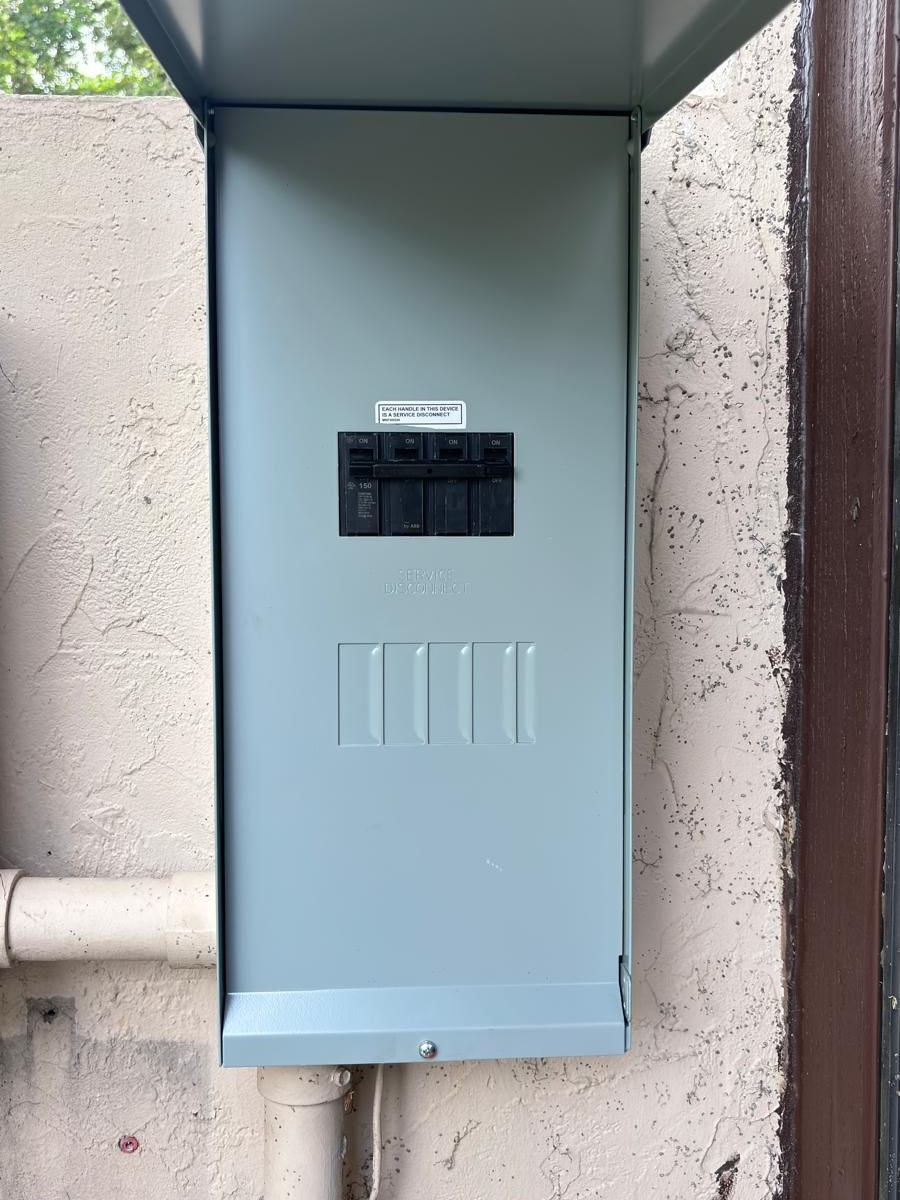
Your current electrical system may not be ready for the increased electrical load required of electric car charging. This is especially true if your property is on the older side or you’re going to be installing multiple charging stations. You should consult with a professional electrician to gauge the health of your current electrical system and install additional circuits in order to account for the new charging stations.
What are the most common problems with EV charging stations?
Even when professionally installed, there are some regular maintenance tasks and occasional problems that should be handled by an electrician. Here are some of the most common:
- Software issues. Just like any tech-based equipment, EV chargers can go offline from time to time. This will require a professional to troubleshoot the problem and get your charger back in working condition.
- Hardware issues. There are a range of problems that can arise on the hardware side of things, from rodents chewing on home-based charger cables to UV damage on outdoor level 3 chargers. These problems can lead to slow charging, malfunction, and even the risk for electrical fire.
No matter the issue, you should always have a licensed electrician to take a look at and fix any problems with your charging system.
Do I need special permits?
Any time that you are significantly changing the electrical wiring in your home or office, you’ll need a permit. This ensures that the work that you’re doing is up-to-code and safe. If you’re not sure how to apply for a permit, leave it up to Chanay Electric! We’re well-versed in the regulations for South Florida and can help with the permit acquisition process.
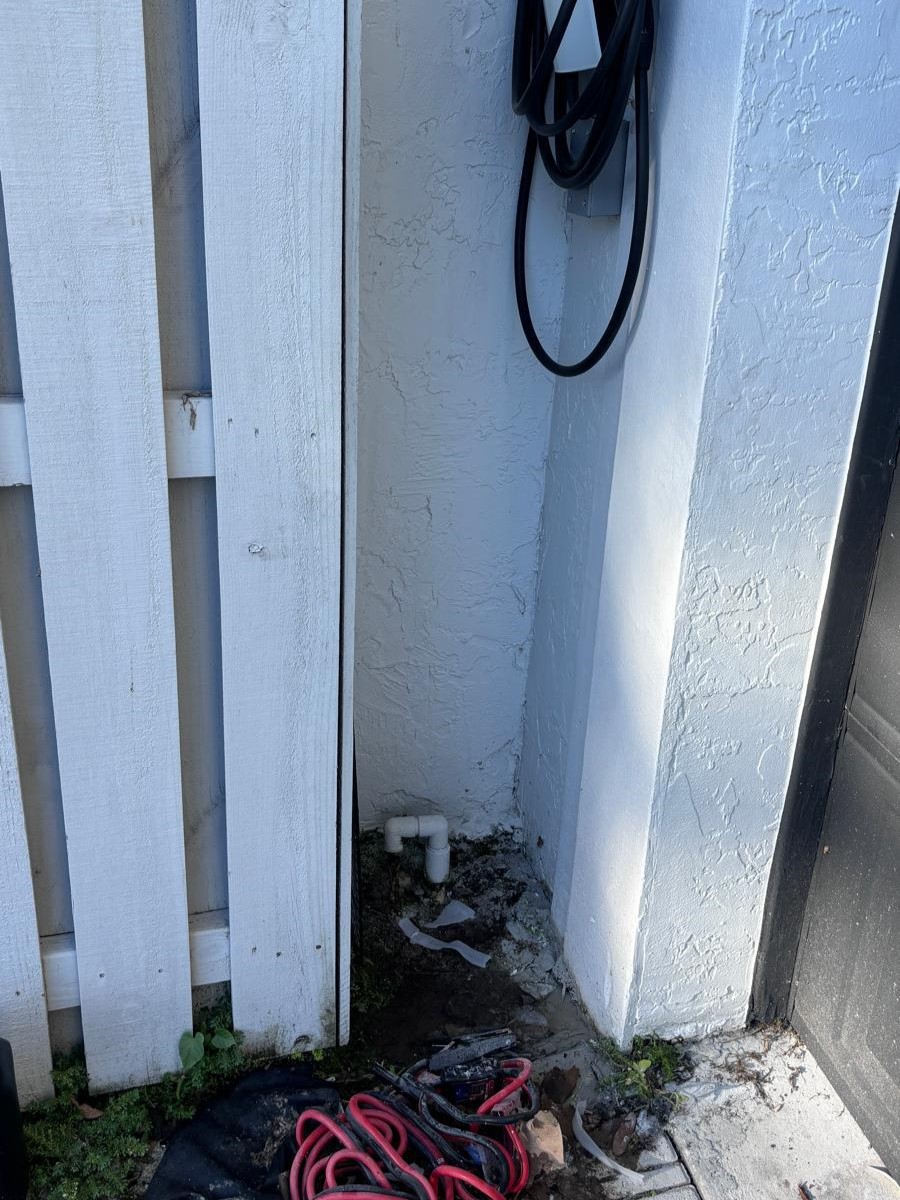
Can I install an electric car charging station myself?
As professional electricians, we’ve seen scenarios in which electrical wiring was installed incorrectly by well-meaning DIYers. The problem is that electrical work has the potential to cause structural fires or damage to your property or electric vehicle if installed improperly. There’s also a risk of personal injury if you’re not familiar with the safety procedures required of electrical work.
Professional installation of your electric car charging station will ensure that your power grid is able to withstand the increased load, eliminating the risk of overloading the system. We also know how to work safely with electrical wiring to cut down on the risk of bodily harm.
When you’re ready to install an electric car charging station at your Florida home or commercial setting, call Chanay Electric! We’ll come to your location in Fort Lauderdale, Boca Raton, Dania Beach, Miami and other South Florida areas to help you choose the right charging station for your or your customers’ EVs!