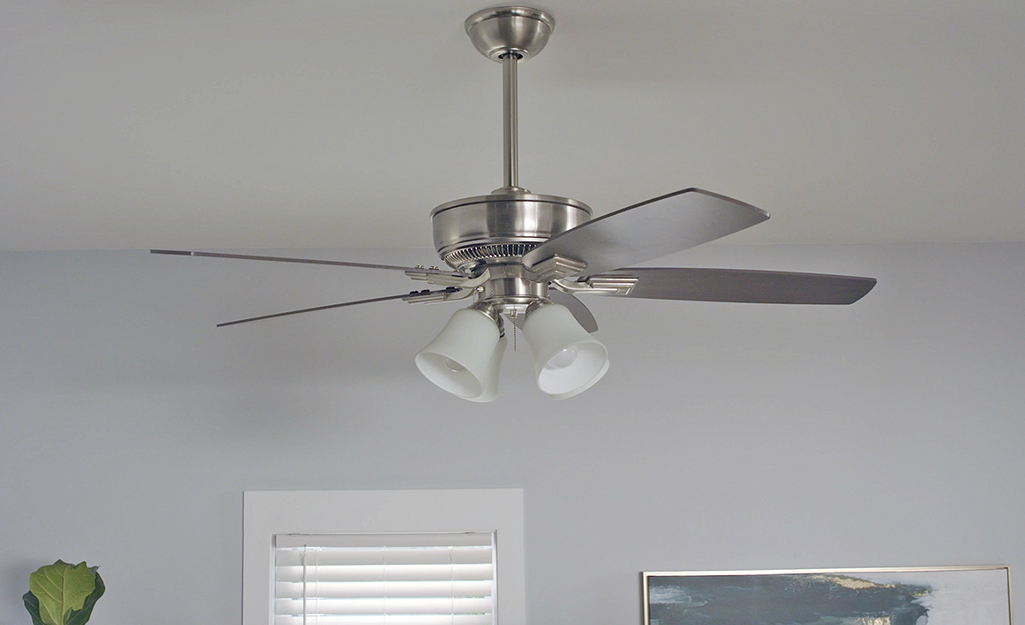
A ceiling fan can do much more than circulate air. In Plantation homes, the right fan can improve everyday comfort, support efficient use of air conditioning, provide better lighting, and make bedrooms, living rooms, patios, and home offices more functional.
However, installing a ceiling fan is not simply a matter of attaching a fixture to the ceiling and connecting wires. The existing electrical box, ceiling structure, fan weight, wiring condition, mounting location, and control options all deserve consideration.
That is why homeowners planning Ceiling Fan Installation in Plantation should first understand whether the existing location is suitable for a fan and what work may be required before installation begins.
This 2026 guide explains when to install or replace a ceiling fan, what affects project costs and timelines, common installation mistakes, current trends, and how to choose the right electrical professional.
Quick Answer: When Should You Install or Replace a Ceiling Fan?
You may want to install, upgrade, or replace a ceiling fan when:
- A room feels uncomfortable despite adequate air conditioning
- The existing fan wobbles, makes unusual noises, or performs poorly
- You are remodeling a bedroom, living room, or outdoor living area
- The current fixture is outdated or does not provide adequate lighting
- You want improved control options
- You are converting a room into a home office, gym, or multipurpose space
- An existing ceiling light would be more useful as a fan location
- You want to improve air circulation throughout the room
The first step should be determining whether the ceiling location and electrical support are appropriate for the specific fan being installed.
Infographic: The Ceiling Fan Installation Decision Path
Do you already have a ceiling fan?
↓
Yes
Is it noisy, unstable, outdated, or no longer meeting your needs?
↓
Consider professional evaluation for replacement or repair.
No
↓
Do you have an existing ceiling fixture?
↓
The electrical box and mounting arrangement should be evaluated to determine whether they are suitable for supporting a ceiling fan.
↓
Choose the fan size, location, control method, and lighting features based on the room’s intended use.
When Is Ceiling Fan Installation in Plantation the Right Upgrade?
A ceiling fan upgrade often makes sense when a home’s existing lighting or air circulation no longer matches how the space is being used.
For example, a Plantation homeowner may purchase a home with an older dining room fixture and later decide to convert that space into a family room or home office. A ceiling fan may improve air movement and add lighting, but the existing fixture location should be evaluated before installation.
Another common situation involves older fans that have become noisy or unstable. Replacing the fan may solve the issue, but it is also important to consider whether the mounting hardware, electrical box, and wiring are in good condition.
Homeowners should not assume that every ceiling light box is automatically appropriate for a ceiling fan.
1. Your Existing Fan Is No Longer Performing Well
A fan that makes persistent noise, shakes excessively, operates inconsistently, or no longer provides adequate airflow may be a candidate for replacement.
Before buying a new fan, consider the following:
- Is the existing mounting location still appropriate?
- Is the fan the right size for the room?
- Do you want integrated lighting?
- Would a remote, wall control, or smart control be useful?
- Is the existing electrical setup suitable for the replacement?
Sometimes the issue is related to the fan itself. In other situations, the mounting arrangement or electrical components may need professional attention.
A Realistic Example
A homeowner may notice that a bedroom fan shakes every time it operates at a higher speed. Tightening a visible screw may not address the underlying cause if the fan was improperly mounted, is damaged, or has another mechanical issue.
The safest approach is to identify the cause before assuming a replacement fan will automatically solve the problem.
2. You Are Remodeling a Room
Remodeling creates an ideal opportunity to reconsider fan placement.
A room may have been designed years ago for a completely different purpose. A formal dining room may become a home office. A spare bedroom may become a nursery. A covered outdoor area may become a more frequently used living space.
Electrical and lighting decisions should be made before finishes are completed whenever possible.
Consider these questions:
- Where will furniture be placed?
- Where is air circulation most needed?
- Will the fan include lighting?
- How will the fan be controlled?
- Does the room need additional lighting besides the fan?
3. The Room Does Not Have Adequate Air Circulation
A ceiling fan does not replace an air conditioning system, but it can help circulate air within a room.
This can be especially useful in:
- Bedrooms
- Living rooms
- Home offices
- Bonus rooms
- Covered patios
- Large open spaces
The fan should be selected according to the room size, ceiling height, intended use, and location.
Choosing a fan based only on appearance is a common mistake. A model that looks attractive may not provide the performance or features needed for the specific room.
Table: Common Ceiling Fan Installation Situations
| Situation | What to Consider | Possible Next Step |
|---|---|---|
| Replacing an existing fan | Mounting condition and wiring | Evaluate the existing installation |
| Converting a light fixture | Electrical box and support | Confirm suitability before installation |
| Remodeling a room | Fan location and controls | Include electrical planning early |
| Adding a fan to a new location | Wiring route and circuit access | Assess installation requirements |
| Outdoor covered space | Environmental exposure | Select equipment suitable for the location |
| High ceiling | Mounting height and downrod needs | Choose an appropriate installation setup |
| Smart home upgrade | Control compatibility | Plan the desired control method |
What Affects the Cost of Ceiling Fan Installation in 2026?
There is no universal price for ceiling fan installation because the scope of work can vary considerably.
A straightforward replacement may involve less work than installing a fan where no electrical fixture or wiring currently exists.
Factors that can affect the final cost include:
- Whether a fan is replacing an existing fan
- Whether a new electrical location is needed
- Accessibility above the ceiling
- Existing wiring conditions
- The condition and suitability of the electrical box
- Ceiling height
- Fan weight and mounting requirements
- The type of control system being installed
- Whether additional electrical work is required
- Permit or inspection requirements for the specific project
The most useful estimate is based on the actual property and installation conditions.
Avoid relying on a generic online price when the condition of the existing electrical setup has not been evaluated.
How Long Does Ceiling Fan Installation Take?
The project timeline depends largely on the starting point.
Replacing an Existing Fan
A replacement can be more straightforward when the existing location, wiring, and mounting setup are suitable.
Converting an Existing Light Location
The electrical box and support arrangement may need to be evaluated before a fan is installed.
Installing a Fan in a New Location
A new installation may require additional planning for wiring, access, switches, and restoration of finished surfaces.
Larger Electrical Improvements
If the installation identifies an issue with existing wiring or electrical capacity, the project may require additional work.
A professional should explain the expected scope and identify any conditions that could affect the timeline.
Infographic: What Happens During a Professional Fan Installation?
Step 1: Evaluate the location
Check the ceiling location, existing electrical components, and intended fan type.
↓
Step 2: Confirm mounting requirements
Determine whether the electrical box and mounting arrangement are appropriate for the fan.
↓
Step 3: Review wiring and controls
Plan the connection and the preferred control method.
↓
Step 4: Install and secure the fan
Mount the fan according to the equipment requirements and project conditions.
↓
Step 5: Test operation
Check fan movement, controls, lighting, and general operation.
Why Proper Ceiling Fan Installation in Plantation Matters
The mounting and electrical connection are just as important as the fan you choose.
A ceiling fan is a moving fixture. It should be properly supported and securely installed according to the applicable equipment instructions and project requirements.
One common mistake is assuming that an existing light fixture location can automatically support a ceiling fan. Another is choosing a fan without considering ceiling height or the amount of clearance needed for the room.
Proper planning can help avoid:
- Excessive wobbling
- Inconvenient control placement
- Poor fan performance
- Inadequate lighting
- Installation delays
- Additional repair work after installation
For homeowners planning Ceiling Fan Installation service in Plantation, it is helpful to discuss the room, existing fixture, ceiling conditions, and preferred fan features before work begins.
Mid-Article CTA
If you are replacing an old fan or planning a new installation, consider having the location evaluated before purchasing equipment or beginning a renovation. Chanay Electric can help homeowners discuss the electrical requirements and installation considerations for their specific project.
Common Ceiling Fan Installation Mistakes
Choosing the Wrong Fan Size
A very small fan may not provide the desired air movement in a large room. An oversized fan may not suit the space or ceiling configuration.
Consider room dimensions, ceiling height, and how the room is used before selecting equipment.
Assuming Any Electrical Box Will Work
An existing ceiling box should be evaluated for suitability before supporting a fan.
This is one of the most important parts of the project and should not be overlooked simply because a light fixture was previously installed in the same location.
Ignoring Ceiling Height
Ceiling height can influence the fan type and mounting configuration.
A room with a standard ceiling may require a different setup from a room with a vaulted or unusually high ceiling.
Selecting Controls After Installation Planning
Decide early whether you want:
- A wall switch
- A pull chain
- A remote control
- Smart controls
The control choice may affect the installation approach and should be part of the planning process.
Focusing Only on Appearance
Modern ceiling fans are available in many styles, finishes, and lighting configurations. Appearance matters, but performance and suitability for the installation location should come first.
2025-2026 Ceiling Fan Trends Homeowners Are Considering
Ceiling fans are increasingly selected as part of a larger lighting and comfort strategy.
Smart Control Integration
Homeowners are showing greater interest in fans that can work with convenient control systems, depending on the equipment and existing home setup.
Cleaner, More Minimal Designs
Simple fan profiles and integrated lighting continue to influence remodeling and interior design decisions.
Improved Lighting Integration
Many homeowners want a ceiling fixture that can support both air circulation and practical lighting without requiring multiple separate fixtures.
Outdoor Living Improvements
Covered patios and outdoor entertainment areas remain popular spaces for electrical and comfort upgrades. Equipment selection should match the specific environmental conditions of the installation area.
Room-Specific Planning
Instead of installing the same fan throughout the home, homeowners are increasingly selecting different sizes and features based on how each room is used.
How to Choose a Ceiling Fan Installation company
The right professional should help you understand the actual scope of work rather than simply treating every installation as identical.
Before hiring an electrician or electrical service provider, ask:
- Is the existing electrical box appropriate for the fan?
- Will new wiring be required?
- Does the project involve replacing a fan or creating a new location?
- What work is included in the estimate?
- Are there conditions that could affect the timeline?
- What type of control system is practical for the room?
- Are permits or inspections required for this specific project?
Clear answers can help homeowners compare service options based on scope and quality rather than price alone.
When searching online for Ceiling Fan Installation near me, focus on providers who are willing to discuss the existing conditions, installation location, and project requirements.
When Should You Call a Professional?
Homeowners should consider professional help when:
- Installing a fan at a new ceiling location
- Replacing an existing light fixture with a fan
- The fan location has questionable support
- Existing wiring is old, damaged, or unknown
- The project involves switches or circuit changes
- The ceiling is unusually high or difficult to access
- The fan wobbles excessively or behaves unpredictably
- You are unsure whether the existing setup is suitable
Electrical projects can involve hidden conditions that are not visible until the existing fixture or electrical components are evaluated.
Frequently Asked Questions
1. Can I replace an existing ceiling light with a ceiling fan?
Possibly, but the existing electrical box and mounting arrangement should first be evaluated to determine whether they are suitable for supporting the fan.
2. How long does ceiling fan installation usually take?
The timeline depends on whether the project involves a straightforward replacement, an existing light fixture, or a completely new electrical location. Wiring access and other site conditions can also affect the schedule.
3. Why is my ceiling fan wobbling?
Wobbling can result from several issues, including an imbalance, loose components, damage, or mounting problems. The cause should be identified rather than simply tightening random parts.
4. What should I consider before buying a ceiling fan?
Consider room size, ceiling height, installation location, desired airflow, lighting needs, control preferences, and whether the existing electrical location is appropriate for the fan.
About Chanay Electric
Chanay Electric provides electrical services for homeowners who need help evaluating ceiling fan installations, electrical fixture upgrades, outlet concerns, lighting projects, and other residential electrical needs. Every property has different wiring conditions, ceiling configurations, and electrical requirements, which is why careful project evaluation is important before installation begins. Whether a homeowner is replacing an existing fan, upgrading a light fixture, or planning electrical improvements during a renovation, understanding the scope of work can support better decisions. Homeowners can discuss their project requirements, existing conditions, and preferred installation goals before determining the appropriate next step.
Final Thoughts
A ceiling fan can be a practical upgrade for comfort, lighting, and everyday usability, but the installation deserves more consideration than simply choosing a style that looks good.
Before moving forward with Ceiling Fan Installation in Plantation, evaluate the room, existing electrical setup, ceiling conditions, fan size, mounting requirements, and preferred controls.
For help discussing your project or scheduling an electrical service consultation, contact Chanay Electric at (754) 799-4371 or use the contact form on website.
A properly planned installation can help ensure your new ceiling fan is suited to the room, securely installed, and ready to support comfortable everyday living.